


25, Jul 2025
Seo benefits of ecommerce blog
In the dynamic world of digital marketing, the seo benefits of ecommerce blog cannot be overstated. For small businesses, especially those venturing into the online retail space, understanding how to harness the power of an e-commerce blog can significantly impact their visibility and success. By strategically placing SEO keywords within your content, you elevate your brand’s presence in search engine results, driving more traffic to your site and ultimately increasing sales.
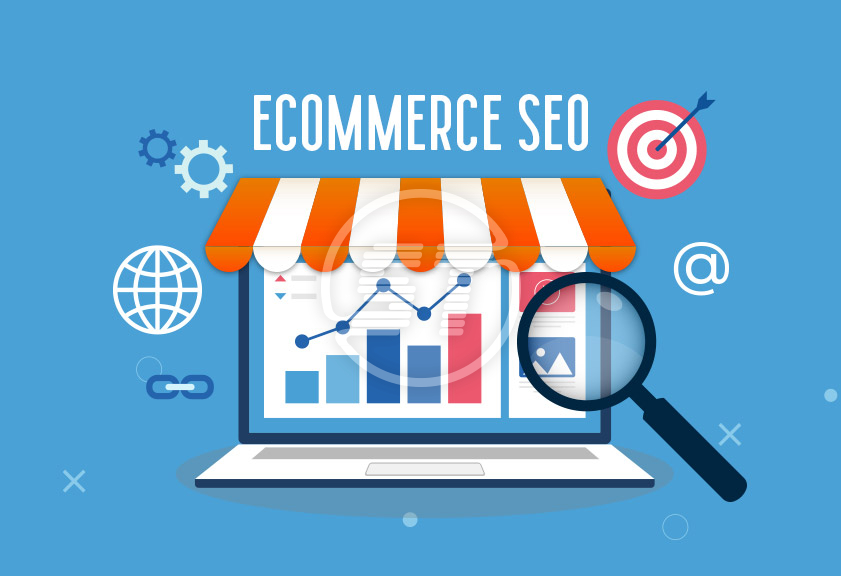
Understanding the Role of SEO in E-commerce
SEO, or Search Engine Optimization, is the process of optimizing your website to rank higher in search engine results. For e-commerce businesses, this means using SEO techniques to ensure your products and services appear at the top of search results when potential customers look for items related to your offerings.
Why E-commerce Blogs Matter
Blogging for e-commerce is a powerful tool. It not only enhances your SEO strategy but also provides valuable content to your audience. A well-maintained blog can address customer queries, showcase product reviews, and provide industry insights, all while improving your SEO.
Key SEO Benefits of E-commerce Blogs
1. Increased Website Traffic
By integrating relevant keywords and high-quality content, an e-commerce blog can significantly boost your website’s organic traffic. As you create informative and engaging blog posts, search engines recognize your site as a valuable resource, leading to higher rankings.
2. Enhanced Customer Engagement
An engaging blog keeps customers on your site longer, reducing bounce rates and increasing the likelihood of conversions. By addressing common questions and offering solutions, you build trust and encourage repeat visits.
3. Improved Search Engine Rankings
Search engines prioritize websites that consistently update their content. An active e-commerce blog signals to search engines that your site is relevant and up-to-date, improving your rankings over time.
4. Establishing Authority and Trust
When you regularly publish well-researched and informative content, you establish your brand as an industry authority. This trust translates into customer loyalty and can significantly boost your sales.
How to Optimize Your E-commerce Blog for SEO
1. Keyword Research
Begin by conducting thorough keyword research to identify terms and phrases potential customers use. Tools like Google’s Keyword Planner can help you find the right keywords to target.
2. Quality Content Creation
Create high-quality, original content that provides value to your readers. Focus on topics that address customer pain points and offer solutions.
3. On-Page SEO Techniques
Ensure your blog posts are optimized with on-page SEO techniques. This includes using keywords in headings, meta descriptions, and throughout the content naturally.
4. Link Building
Incorporate both internal and external links within your blog posts. For example, you can guide your readers to explore more about SEO A/B testing or understand the nuances of SEO for e-commerce websites.
Common Mistakes to Avoid
1. Ignoring Mobile Optimization
With the majority of searches conducted on mobile devices, ensure your blog is mobile-friendly. A responsive design enhances user experience and boosts SEO.
2. Overlooking Analytics
Regularly review your website’s analytics to understand what’s working and where improvements are needed. Tools like Google Analytics provide insights into user behavior and traffic sources.
3. Neglecting User Experience
While SEO is important, user experience should not be compromised. Ensure your site loads quickly, is easy to navigate, and offers a seamless user experience.
The Future of E-commerce Blogging
As the digital landscape evolves, so does the importance of staying ahead of SEO trends. By focusing on creating valuable content and optimizing your e-commerce blog, you position your business for long-term success.
Conclusion
In conclusion, the seo benefits of ecommerce blog are undeniable. By leveraging the power of blogging, small businesses can increase their online visibility, engage with customers, and ultimately drive sales. Embrace the opportunities that e-commerce blogging presents and watch your business thrive.

FAQs
1. How often should I update my e-commerce blog?
Consistency is key. Aim to update your blog at least once a week to maintain engagement and improve SEO.
2. What type of content should I focus on?
Focus on content that addresses customer pain points, showcases products, and provides industry insights.
3. Can I outsource blog writing?
Yes, outsourcing can be a great way to ensure consistent content creation, especially if you’re short on time.
- 0
- By Nicole A.


