


Boost Your Visibility and Sales with Effortless SEO
SEO puts your content in front of more eyes, driving more traffic, clients, and sales. Need more time to create and optimize content? Join Web Town USA and let us handle it for you!

Our Features
Our Outstanding Features
We offer innovative strategies and expert support. Experience performance-driven solutions that deliver measurable results!

Comprehensive SEO Services
Boost your site’s visibility with tailored SEO solutions, from keyword management to on-page optimization, ensuring your business ranks high in search engines.
Performance-Based SEO with Pay Per Click
Pay only when you receive organic traffic! Our innovative Pay Per Click model ensures you only invest when your site gains real, organic visitors, making your SEO efforts highly cost-effective.
Expert Content Creation
Receive high-quality, SEO-optimized articles crafted to engage your audience, improve search visibility, and establish your authority in your niche.
Advanced Performance Tracking
Track keyword rankings, organic traffic growth, and conversions in real-time, ensuring you can measure the success of your SEO strategy effectively.
Social Media Marketing
Amplify your brand with targeted social media marketing strategies across major platforms. Engage with your audience, drive traffic, and build a strong online presence.
Custom Monetization Solutions
Monetize your online presence seamlessly through Google AdSense, Amazon Affiliate, and private ad networks, maximizing revenue from organic traffic and social media audiences.


Our Team
Our Awesome Team Members
Meet our talented team of SEO specialists, marketing experts, and skilled writers, dedicated to driving your success. Together, we combine expertise and creativity to deliver exceptional results for your brand.

Senior SEO Specialist

SEO/SEM Consultant

Digital Marketing Expert

Content Specialist

Expert Niche Writer

Technical Copywriter

28, Nov 2026
How to Create Video Ads for Social Media: Tips and Tricks
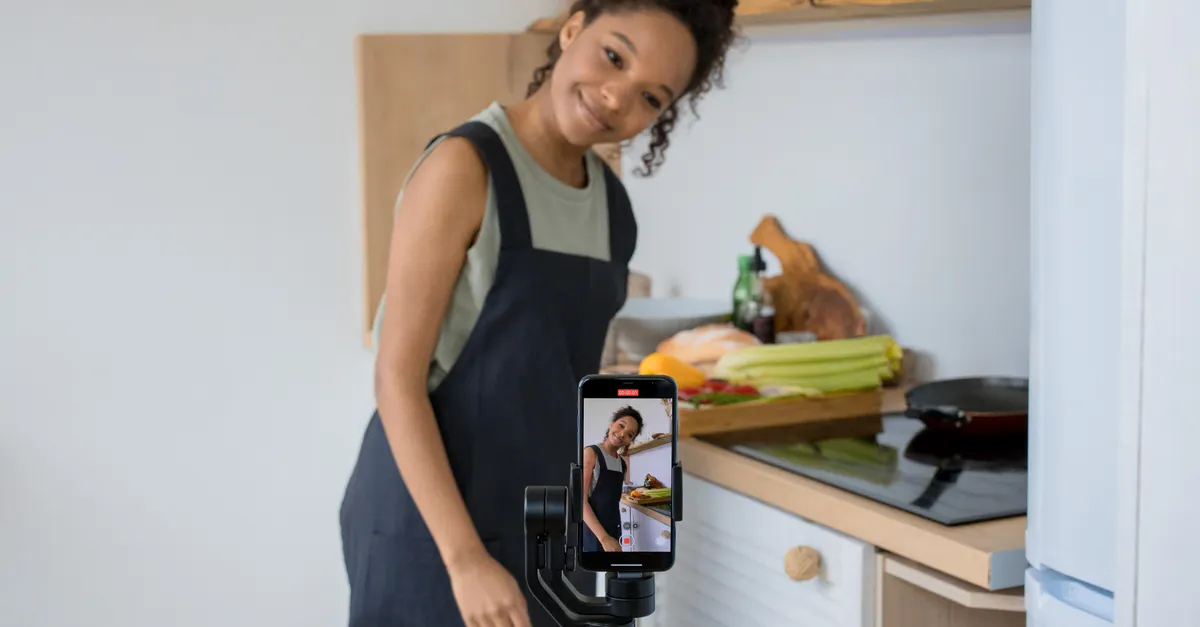
Video advertising has become a central part of digital marketing, with brands of all sizes leveraging short-form videos to capture attention and drive results. As social media platforms continue to prioritize video content, understanding how to create video ads for social media is essential for anyone looking to boost engagement, increase brand awareness, and improve conversions. This guide explores best practices, essential tools, step-by-step production, platform-specific optimization, and measurement strategies to help you craft effective video campaigns for any channel.

The Growing Importance of Video Ads in Social Media Marketing
Video content is now a dominant force on social platforms. According to research from Wilson College, Americans spent nearly one hour per day watching social media videos in 2022, a significant increase from 33 minutes in 2019. This surge highlights the opportunity for brands to connect with audiences through compelling video ads. In fact, 91% of people use explainer videos to learn about products or services, and 82% have been convinced to make a purchase after watching a video. These statistics underscore the power of video in influencing consumer behavior and driving marketing success.
Video ads are particularly effective because they combine visual storytelling with concise messaging, making it easier to communicate value quickly. As social media feeds become more crowded, well-crafted video content can help your brand stand out and make a lasting impression.
Essential Tools and Software for Crafting Video Ads
Choosing the right tools is a crucial first step in producing high-quality video ads. There are numerous platforms designed to simplify video creation, even for those without professional editing experience. Here are some popular options:
- Canva: Known for its user-friendly interface, Canva offers customizable video templates, drag-and-drop editing, and a wide range of stock footage and music. It’s ideal for quick, visually appealing ads.
- Adobe Express: This tool provides advanced editing features, motion graphics, and brand kit integration. Adobe Express is suitable for users who want more creative control without the complexity of full-scale editing software.
- Animoto: Animoto specializes in turning photos and video clips into polished ads with minimal effort. Its storyboard approach helps guide users through the process, making it accessible for beginners.
Other notable mentions include InVideo, Biteable, and Lumen5, each offering unique features tailored to different needs. When selecting a tool, consider your budget, desired level of customization, and the platforms where your ads will appear.
Step-by-Step Guide: Producing Engaging Video Ads
Creating a successful video ad involves more than just filming and uploading content. Here’s a structured approach to ensure your ads are both engaging and effective:
-
Define Your Objective:
Start by clarifying the goal of your ad. Are you aiming to increase brand awareness, drive website traffic, or boost sales? Your objective will shape the message, format, and call to action.
-
Know Your Audience:
Research your target demographic. Consider age, interests, pain points, and the platforms they use most. Tailoring your message to your audience increases relevance and engagement.
-
Craft a Compelling Script:
Keep your script concise and focused. Social media users have short attention spans, so deliver your key message within the first few seconds. Use clear language and end with a strong call to action.
-
Plan Visuals and Branding:
Decide on the visual style, color palette, and branding elements. Consistent branding builds recognition and trust. Incorporate your logo and brand colors subtly throughout the video.
-
Produce and Edit:
Use your chosen tool to assemble footage, add text overlays, music, and transitions. Ensure the pacing is dynamic and that visuals support the message. Optimize for silent viewing by including captions, as many users watch videos without sound.
-
Test and Refine:
Before publishing, preview your video on different devices. Gather feedback from colleagues or a test audience and make adjustments as needed.
For more inspiration on making your ads stand out, you can explore additional strategies in how to create engaging social media ads.
Optimizing Video Ads for Each Social Media Platform
One of the most overlooked aspects of how to create video ads for social media is platform-specific optimization. Each channel has its own best practices, technical requirements, and audience behaviors. Here’s how to tailor your ads for maximum impact:
Facebook and Instagram
- Aspect Ratio: Use square (1:1) or vertical (4:5, 9:16) formats to maximize screen space on mobile devices.
- Length: Keep videos under 15 seconds for Stories and under 60 seconds for feed ads. Shorter videos tend to perform better.
- Captions: Add captions, as many users watch without sound.
- Thumbnails: Choose an eye-catching thumbnail to encourage clicks.
Twitter (X)
- Aspect Ratio: Horizontal (16:9) or square (1:1) formats work best.
- Length: Aim for 6–15 seconds. Twitter users scroll quickly, so get to the point fast.
- Branding: Feature your logo or brand colors early in the video.
- Aspect Ratio: Horizontal (16:9) is standard, but square (1:1) is increasingly popular.
- Length: Keep videos under 30 seconds for best engagement.
- Professional Tone: Focus on value, expertise, and business outcomes.
TikTok and Reels
- Aspect Ratio: Vertical (9:16) is essential.
- Length: 9–15 seconds is ideal, though up to 60 seconds is allowed.
- Trends: Use trending music, effects, and hashtags to increase reach.
- Authenticity: Prioritize raw, relatable content over polished production.
Optimizing for each platform not only improves user experience but also boosts engagement metrics and ad performance. Always check the latest ad specifications before publishing, as platform requirements can change frequently.
Measuring the Impact of Your Video Campaigns
Tracking the performance of your video ads is essential for refining your strategy and maximizing ROI. Here are key metrics to monitor:
- View Count: Indicates reach and initial interest.
- Watch Time: Measures how long viewers engage with your video.
- Engagement Rate: Includes likes, shares, comments, and clicks.
- Click-Through Rate (CTR): Shows how many viewers took action after watching.
- Conversion Rate: Tracks how many viewers completed a desired action, such as making a purchase or signing up.
- Brand Awareness: Can be assessed through surveys or brand lift studies.
Most social media platforms offer built-in analytics dashboards. Use these tools to compare performance across different ads, audiences, and platforms. Regularly reviewing these metrics helps identify what works and where improvements are needed.
Common Mistakes to Avoid When Making Video Ads
- Ignoring Platform Guidelines: Not following aspect ratio, length, or file size recommendations can result in poor display or ad rejection.
- Overloading with Information: Trying to say too much can confuse viewers. Focus on a single, clear message.
- Neglecting Mobile Optimization: Most social media users are on mobile devices. Ensure your video is easy to view and interact with on small screens.
- Skipping Captions: Without captions, you risk losing viewers who watch with sound off.
- Weak Call to Action: Every video ad should end with a clear, compelling prompt for viewers to take the next step.
Frequently Asked Questions
What are the best practices for making video ads for social media?
Best practices include keeping videos short and focused, using captions for silent viewing, optimizing for mobile devices, and tailoring content to each platform’s audience and technical requirements. Always include a strong call to action and test different versions to see what resonates.
Which tools can help me create video ads easily?
Popular tools like Canva, Adobe Express, and Animoto offer user-friendly interfaces and templates for quick video creation. These platforms are suitable for both beginners and experienced marketers looking to produce professional-looking ads without extensive editing skills.
How can I optimize my video ads for different social media channels?
Adjust your video’s aspect ratio, length, and style to match each platform’s preferences. For example, use vertical videos for TikTok and Instagram Reels, square videos for Facebook and Instagram feeds, and horizontal videos for LinkedIn. Incorporate platform-specific trends, such as music or hashtags, to boost visibility and engagement.
Conclusion
Mastering how to create video ads for social media involves more than just technical skills—it requires a strategic approach tailored to each platform and audience. By selecting the right tools, following a structured production process, optimizing for each channel, and tracking results, you can create video campaigns that capture attention and drive real business outcomes. As video continues to dominate social feeds, investing in thoughtful, well-executed ads will set your brand apart in a crowded digital landscape.
- 0
- By Jennifer R.


28, Nov 2026
How to Create Carousel Ads on Facebook: A Step-by-Step Guide
Facebook carousel ads have become a powerful tool for marketers looking to capture attention and drive engagement. By allowing multiple images or videos within a single ad unit, these interactive ads offer a dynamic way to tell a story, showcase products, or highlight features. For businesses and advertisers aiming to maximize their reach and conversions, understanding how to create carousel ads on Facebook is essential. This guide covers the fundamentals, step-by-step instructions, best practices, and a detailed comparison with other ad formats to help you make informed decisions and achieve better results.
Understanding Facebook Carousel Ads
Facebook carousel ads are a format that enables advertisers to display up to ten images or videos within a single ad, each with its own headline, description, and link. Users can swipe or click through the cards, making the experience interactive and engaging. According to industry sources, this format enhances engagement and conversion by allowing users to explore more content without leaving the feed. The ability to showcase multiple aspects of a product or tell a sequential story makes carousel ads especially popular among brands seeking to stand out in a crowded social environment.
Key Benefits of Carousel Ads on Facebook
Choosing carousel ads offers several distinct advantages over static or single-image formats. Here are some of the main benefits:
- Storytelling Capability: Carousel ads allow advertisers to craft a narrative, guiding viewers through a sequence of images or videos that build on each other.
- Higher Engagement: The interactive nature of swiping or clicking through cards encourages users to spend more time with the ad, increasing click-through rate (CTR) and overall engagement.
- Improved Conversion Rates: By showcasing multiple products or features, carousel ads can boost return on ad spend (ROAS) and drive more conversions compared to static ads.
- Versatility: Each card can link to a different landing page, making it ideal for promoting a range of products or services within a single campaign.
Research shows that carousel ads often outperform static formats by offering more opportunities for interaction and deeper engagement, which translates into better campaign results.
How to Create Carousel Ads on Facebook: Step-by-Step Instructions
Setting up a carousel ad in Meta Ads Manager is straightforward if you follow these steps:
-
Access Meta Ads Manager:
Log in to your Facebook account and navigate to the Meta Ads Manager. This is the central hub for creating and managing all your Facebook ad campaigns.
-
Choose Your Campaign Objective:
Select an objective that aligns with your goals, such as Traffic, Conversions, or Catalog Sales. Some objectives, like Engagement or App Installs, also support carousel ads.
-
Set Up Your Ad Set:
Define your target audience, budget, schedule, and placements. You can let Facebook automatically place your ads or manually select placements like Facebook Feed, Instagram Feed, or Audience Network.
-
Create Your Ad:
When prompted to choose an ad format, select Carousel. You’ll then see options to add images or videos to each card. Facebook allows up to ten cards per carousel.
-
Add Media and Text:
Upload images or videos for each card. For each, enter a headline, description, and destination URL. You can use unique links for each card or the same link across all cards.
-
Customize the Call to Action (CTA):
Choose a CTA button that matches your campaign goal, such as “Shop Now,” “Learn More,” or “Sign Up.”
-
Preview and Test:
Use the preview tool to see how your ad will appear on different devices and placements. Make any necessary adjustments to ensure consistency and clarity.
-
Publish Your Ad:
Once satisfied, click “Publish.” Your carousel ad will go through Facebook’s review process before going live.
For those looking to improve their overall ad strategy, you may find additional inspiration in resources about how to create engaging social media ads, which can complement your carousel campaigns.
Best Practices for Effective Carousel Ad Design
To maximize the impact of your carousel ads, consider these proven best practices:
- Maintain Visual Consistency: Use a cohesive color palette and style across all cards to create a unified look. This helps reinforce your brand and makes the ad more visually appealing.
- Add Unique Value to Each Card: Ensure that every card offers something distinct—whether it’s a different product, feature, or benefit. Avoid repeating the same message or image across cards.
- Use Strong Headlines and CTAs: Write clear, compelling headlines for each card and select a Call to Action (CTA) that encourages users to take the next step.
- Optimize Image and Video Quality: Use high-resolution visuals that are properly sized for Facebook’s specifications. Blurry or poorly cropped images can reduce engagement.
- Test Different Elements: Experiment with the number of cards, order, and CTA wording. Testing helps identify what resonates best with your audience and can improve results over time.
According to industry experts, maintaining visual consistency and providing unique value with each swipe are among the most effective ways to increase engagement and conversions with carousel ads.
Comparing Carousel Ads to Other Facebook Ad Formats
When deciding which ad format to use, it’s important to understand how carousel ads stack up against other options available on Facebook. Here’s a detailed comparison to help guide your strategy:
| Ad Format | Pros | Cons |
|---|---|---|
| Carousel Ads |
|
|
| Single Image Ads |
|
|
| Video Ads |
|
|
| Collection Ads |
|
|
Overall, carousel ads outperform static formats by offering more opportunities for interactivity and storytelling, which can lead to higher engagement, better cost per acquisition (CPA), and improved campaign performance. However, they do require more creative planning and asset development compared to simpler formats.
Common Mistakes to Avoid When Creating Carousel Ads
Even well-intentioned advertisers can fall into common traps that reduce the effectiveness of their carousel campaigns. Here are some pitfalls to watch out for:
- Inconsistent Visuals: Mixing unrelated styles or colors across cards can make the ad look disjointed and confuse viewers.
- Repetitive Content: Using the same image or message on multiple cards wastes the format’s potential and can bore your audience.
- Weak or Missing CTAs: Failing to include a clear call to action on each card can result in lower engagement and fewer conversions.
- Poor Mobile Optimization: Not previewing your ad on mobile devices may lead to cropped images or unreadable text, reducing impact.
- Ignoring Analytics: Not monitoring performance or testing different elements means missing out on opportunities to optimize and improve results.
By avoiding these mistakes, you can ensure your carousel ads are as effective and engaging as possible.

Frequently Asked Questions
What are Facebook carousel ads and how do they work?
Facebook carousel ads are interactive ad units that let users swipe or click through multiple images or videos, each with its own headline, description, and link. This format allows advertisers to showcase several products, features, or steps in a story within a single ad, increasing user engagement and providing more information in a compact space.
What are the best practices for designing effective carousel ads?
Effective carousel ads maintain visual consistency across cards, offer unique value with each swipe, use strong headlines and clear CTAs, and feature high-quality images or videos. Testing different card orders, numbers, and CTA wording can help optimize performance.
How do carousel ads compare to other Facebook ad formats?
Carousel ads offer more interactivity and storytelling potential than single image or video ads, often resulting in higher engagement and conversion rates. However, they require more creative assets and planning. Compared to collection ads, carousels are simpler to set up but less focused on e-commerce catalog integration.
Conclusion
Mastering how to create carousel ads on Facebook can significantly enhance your advertising strategy by enabling richer storytelling, higher engagement, and improved conversion rates. By following the step-by-step process, applying best practices, and understanding how this format compares to others, you can make informed decisions that drive better results. Avoid common mistakes, continually test and optimize your ads, and leverage the unique strengths of carousel ads to stand out in the Facebook feed.

28, Nov 2026
How to Create Engaging Social Media Ads: Tips for Success
Social media advertising has become a cornerstone of digital marketing, offering businesses the chance to reach vast audiences with targeted, visually compelling messages. Yet, with so much content competing for attention, simply running ads is not enough—brands must focus on how to create engaging social media ads that truly resonate. This guide explores the essential elements, psychological drivers, and platform-specific strategies that help ads stand out, connect emotionally, and drive measurable results.

Core Components That Make Social Media Ads Stand Out
Successful social media advertising is built on a foundation of several key elements. According to the American Marketing Association, effective campaigns are those that foster meaningful connections on platforms like Facebook, Instagram, and LinkedIn, ultimately driving business results. Here are the core components every marketer should consider:
- Clear Objective: Define what you want your ad to achieve—brand awareness, website visits, leads, or sales. Every aspect of your ad should support this goal.
- Compelling Visuals: Eye-catching images or videos are essential for stopping the scroll. Use high-quality visuals that reflect your brand and message.
- Concise Messaging: Social audiences have limited attention spans. Keep copy brief, focused, and action-oriented.
- Strong Call-to-Action (CTA): Guide viewers toward the next step, whether it’s “Book Now,” “Learn More,” or “Shop Today.”
- Consistent Branding: Use colors, fonts, and logos that reinforce your brand identity across all ads.
- Audience Relevance: Tailor your message and creative to the interests and needs of your target audience.
By combining these elements, brands can create ads that not only capture attention but also drive meaningful engagement.
Leveraging Emotional Appeal for Greater Engagement
One of the most overlooked aspects of how to create engaging social media ads is the use of emotional appeal. Research highlighted by Mailchimp shows that ads which foster emotional connections are more likely to increase brand awareness and build lasting customer relationships. Emotional triggers—such as humor, inspiration, nostalgia, or empathy—can make ads more memorable and shareable.
- Storytelling: Use narratives that reflect your audience’s aspirations or challenges. Stories are more engaging than straightforward product pitches.
- Relatable Characters: Feature people or situations your audience can identify with, making the ad feel more personal.
- Authenticity: Genuine messages and real-life scenarios foster trust and emotional resonance.
- Visual Emotion: Choose imagery and colors that evoke the desired feeling, whether it’s excitement, calm, or urgency.
Emotional appeal is not about manipulation—it’s about connecting with your audience on a human level. Ads that make viewers feel something are more likely to be remembered and acted upon.
Adapting Your Approach for Each Social Platform
Every social media platform has its own culture, audience expectations, and technical requirements. Ad design and strategy should be tailored accordingly to maximize engagement:
- Facebook: Supports a wide range of ad formats, including carousels, videos, and stories. Use detailed targeting options and test different creative to see what resonates.
- Instagram: Highly visual and ideal for lifestyle brands. Use bold imagery, minimal text, and leverage Instagram Stories for immersive, full-screen experiences.
- LinkedIn: Best for B2B marketing. Focus on professional, value-driven messaging and use sponsored content or InMail to reach decision-makers.
- TikTok: Prioritize short-form video content that feels native to the platform. Trends, challenges, and authentic, behind-the-scenes content perform well.
- Twitter/X: Use concise copy and striking visuals. Hashtags and timely content can help boost reach and engagement.
Understanding these nuances ensures your ads feel natural within each feed, increasing the likelihood of positive engagement. For inspiration on platform-specific creative, consider exploring BnB social media ad ideas that demonstrate how hosts tailor their messaging for different channels.
Measuring Success: Key Metrics for Social Ad Performance
Tracking the right metrics is crucial for evaluating the effectiveness of your campaigns and refining your approach. Here are the most important indicators to monitor:
- Engagement Rate: Measures likes, comments, shares, and clicks relative to impressions. High engagement signals that your ad resonates with viewers.
- Click-Through Rate (CTR): The percentage of people who click your ad after seeing it. A strong CTR indicates compelling creative and messaging.
- Conversion Rate: Tracks how many ad viewers complete a desired action, such as signing up or making a purchase.
- Cost Per Click (CPC) and Cost Per Conversion: Help assess the efficiency of your ad spend.
- Impressions and Reach: Show how many people saw your ad and how many times it was displayed.
Regularly reviewing these metrics allows you to identify what’s working, optimize underperforming ads, and justify your advertising investment.
Avoiding Common Pitfalls in Social Media Advertising
Even experienced marketers can fall into traps that undermine ad performance. Here are some frequent mistakes to watch out for:
- Ignoring Audience Targeting: Failing to segment your audience leads to generic ads that don’t resonate.
- Overloading with Information: Too much text or too many visuals can overwhelm viewers and dilute your message.
- Neglecting Mobile Optimization: Most social media traffic comes from mobile devices. Ensure your ads look great on small screens.
- Inconsistent Branding: Ads that don’t align with your brand’s look and feel can confuse your audience.
- Skipping A/B Testing: Without testing different versions, you miss opportunities to improve performance.
- Not Monitoring Results: Running ads without tracking metrics makes it impossible to know what’s effective.
By being mindful of these pitfalls, you can refine your approach and achieve better results from your campaigns.

Conclusion: Strategies for Social Ad Success
Creating ads that engage and convert requires a thoughtful blend of clear objectives, emotional storytelling, and platform-specific design. By focusing on the psychological drivers of engagement and adapting your creative to each social platform, you can build campaigns that not only capture attention but also drive real business outcomes. Regularly measure your results, learn from your data, and avoid common mistakes to ensure your social media advertising efforts deliver lasting value.
Frequently Asked Questions
What are the most important elements for engaging social media ads?
The most important elements include a clear objective, compelling visuals, concise messaging, a strong call-to-action, consistent branding, and audience relevance. Combining these factors helps your ads stand out and connect with viewers.
How can I measure whether my social media ads are successful?
Success can be measured using metrics such as engagement rate, click-through rate, conversion rate, cost per click, and overall reach. Regularly analyzing these indicators will help you understand what’s working and where to improve.
Does emotional appeal really make a difference in ad performance?
Yes, emotional appeal plays a significant role in ad engagement. Ads that evoke feelings—whether humor, inspiration, or empathy—are more likely to be remembered, shared, and acted upon, leading to stronger brand awareness and customer loyalty.
