


27, Jun 2025
Affiliate Ecommerce SEO Tips: Boosting Your Online Sales
In the fast-paced world of online sales, mastering affiliate ecommerce SEO tips is crucial for any business looking to thrive. Whether you’re a small business owner or part of a large corporation, understanding how to optimize your affiliate marketing efforts can make all the difference. In this article, we will delve into the essential strategies and tips that can help enhance your ecommerce presence and drive more sales.
Understanding the Importance of SEO in Ecommerce
SEO, or Search Engine Optimization, is the backbone of online visibility. In the ecommerce realm, effective SEO strategies ensure your products and services appear prominently in search engine results. This visibility is key to attracting potential customers and increasing conversion rates. By implementing targeted affiliate ecommerce SEO tips, businesses can significantly improve their online presence.
Keyword Research: The Foundation of SEO
One of the most critical aspects of SEO is keyword research. Identifying the right keywords can propel your ecommerce site to the forefront of search engine results. Focus on long-tail keywords and phrases that are relevant to your products and have a high search volume. Tools like Google Keyword Planner can be invaluable in this process.
Using Keywords Effectively
Once you’ve identified your target keywords, it’s essential to integrate them naturally into your content. This includes product descriptions, blog posts, and metadata. Avoid keyword stuffing, as this can harm your SEO efforts. Instead, aim for a seamless incorporation that enhances readability and user experience.
Optimizing Product Pages for SEO
Your product pages are the heart of your ecommerce site. Ensuring they are optimized for SEO is crucial. Start by using high-quality images with descriptive alt text. Craft unique and engaging product descriptions that highlight key features and benefits. Additionally, include user reviews and ratings to build trust and credibility.
Content Marketing: A Powerful SEO Tool
Content marketing is a powerful tool for driving organic traffic to your ecommerce site. Regularly publishing informative and engaging blog posts can establish your brand as an authority in your industry. This not only boosts SEO but also helps in building a loyal customer base. Consider writing guides, how-to articles, and industry news to keep your audience engaged.
Utilizing Internal and External Links
Incorporating internal and external links within your content is another effective SEO strategy. Internal links help navigate users through your site, improving the overall user experience. Meanwhile, external links to reputable sources can enhance your site’s credibility. For example, check out this article on ecommerce SEO to delve deeper into effective strategies.
Mobile Optimization: Catering to Modern Shoppers
With the rise of mobile shopping, ensuring your ecommerce site is mobile-friendly is more important than ever. A responsive design that adjusts seamlessly to different screen sizes enhances the user experience and improves your SEO rankings. Google’s mobile-first indexing makes this a crucial aspect of your SEO strategy.
Utilizing Social Media for SEO
Social media platforms are a goldmine for driving traffic and improving SEO. By sharing your products, blog posts, and promotions on platforms like Facebook, Instagram, and Twitter, you can reach a broader audience. Engaging with your followers and encouraging user-generated content can further boost your online presence.
Analyzing and Adapting Your SEO Strategy
SEO is not a one-time effort but an ongoing process. Regularly analyzing your site’s performance using tools like Google Analytics can provide valuable insights into what’s working and what needs improvement. Be prepared to adapt your strategy based on these findings to stay ahead of the competition.
Building a Strong Affiliate Network
An effective affiliate program can significantly boost your ecommerce sales. Collaborate with influencers and bloggers who align with your brand values and have a strong following. Provide them with unique affiliate links and promotional materials to share with their audience.
Creating Engaging Affiliate Content
Encourage your affiliates to create engaging content that highlights your products. This could include blog posts, video reviews, or social media shoutouts. The more authentic and relatable the content, the more likely it is to resonate with potential customers.
FAQs
- What are the key components of ecommerce SEO? The key components include keyword research, on-page optimization, content marketing, mobile optimization, and link building.
- How can social media impact my ecommerce SEO? Social media can drive traffic to your site, increase brand visibility, and enhance customer engagement, all of which positively impact SEO.
- Why is mobile optimization crucial for ecommerce? With a significant number of shoppers using mobile devices, a mobile-friendly site ensures a seamless user experience and improves search engine rankings.

Conclusion
In conclusion, implementing effective affiliate ecommerce SEO tips can transform your online business. By focusing on keyword research, optimizing product pages, and leveraging content marketing, you can enhance your site’s visibility and drive more sales. Remember, SEO is an ongoing process, so continuously analyze and adapt your strategies to stay ahead in the competitive ecommerce landscape.
For more insights, you can explore this guide on SEO A/B testing and learn how it can further optimize your ecommerce sites performance.
- 0
- By Jennifer R.


27, Jun 2025
Evergreen Blog Content: The Key to Sustainable Engagement
Creating evergreen blog content is an essential strategy for small businesses looking to maintain a consistent and long-lasting connection with their audience. In the competitive world of content marketing, understanding what makes content ‘evergreen’ can set your business apart and ensure that your marketing efforts are not just a flash in the pan but a continuous source of engagement and interest. This article will delve into the nuances of crafting timeless content, offering insights and practical advice to help you develop a content strategy that thrives over time.

What is Evergreen Content?
At its core, evergreen content refers to content that remains relevant and valuable over a long period. Unlike trending topics or news articles that have a short shelf life, evergreen content retains its significance well past its publication date. This type of content is crucial for maintaining a steady stream of traffic to your site, as it continues to attract readers months or even years after it was first published. Examples of evergreen content include how-to guides, tutorials, and industry insights that provide foundational knowledge.
Why Evergreen Content Matters for Small Businesses
For small businesses, investing in evergreen blog content is a strategic move that can yield numerous benefits. It allows businesses to maximize their reach without constantly churning out new material. Instead, by focusing on creating high-quality, timeless content, small businesses can build a library of resources that attract and retain customers. This approach not only saves time and resources but also enhances brand authority and trust.
Long-term content planning is integral to developing a successful content strategy, as it ensures your business remains focused on generating content that consistently delivers value.
Characteristics of Evergreen Content
Several key characteristics define evergreen content. Firstly, it addresses topics that are universally relevant and not subject to change. Secondly, it avoids using jargon or references that could quickly become outdated. Thirdly, evergreen content is often comprehensive, offering detailed insights that stand the test of time. By adhering to these principles, businesses can create content that continues to engage and inform audiences effectively.
Examples of Evergreen Content
There are various forms of evergreen content that small businesses can leverage. Some popular examples include:
- How-to Guides: Step-by-step instructions on how to accomplish specific tasks.
- Lists: Compilations of useful tips, tools, or resources.
- Glossaries: Definitions and explanations of industry-specific terms.
- Case Studies: In-depth analyses of successful projects or strategies.
- FAQs: Answers to common questions about products or services.
Each of these content types can be tailored to fit the unique needs and interests of your target audience, ensuring that your content remains relevant and valuable.
How to Create Evergreen Content
Creating evergreen blog content begins with thorough research and planning. Start by identifying topics that align with your audience’s interests and challenges. Use tools like keyword research and audience analysis to uncover areas where your expertise can shine. Once you’ve identified potential topics, focus on crafting content that is informative, engaging, and easy to understand.
It’s also important to regularly update and refresh your evergreen content to ensure its ongoing relevance. This might involve adding new information, updating statistics, or refining language to keep the content current.
Maintaining Evergreen Content
Even though evergreen content is designed to be timeless, it still requires occasional maintenance to stay relevant. Regularly review your content to ensure that all information is up-to-date and accurate. This might involve adding new insights, updating links, or making stylistic changes to improve readability. By keeping your evergreen content fresh, you can continue to provide value to your audience.
The Role of SEO in Evergreen Content
Search engine optimization (SEO) plays a vital role in the success of evergreen blog content. By optimizing your content with relevant keywords, you can improve its visibility and accessibility to search engines. This can lead to increased traffic and engagement over time. Consider using tools like Google Keyword Planner to identify the best keywords for your content and ensure that they are naturally integrated into your writing.
Measuring the Success of Evergreen Content
To assess the effectiveness of your evergreen content, use analytics tools to track key performance indicators such as page views, time on page, and bounce rate. These metrics can provide valuable insights into how well your content is resonating with your audience and where there might be opportunities for improvement.
Challenges in Creating Evergreen Content
While evergreen content offers numerous benefits, it also comes with its own set of challenges. One of the primary challenges is ensuring that the content remains relevant over time. This requires careful planning and a deep understanding of your audience’s needs. Additionally, creating high-quality evergreen content can be time-consuming and resource-intensive, but the long-term benefits make it a worthwhile investment.
Leveraging Evergreen Content for Marketing
Evergreen content can be a powerful tool in your marketing arsenal. By sharing and promoting this content through various channels, such as social media, newsletters, and partnerships, you can extend its reach and impact. Furthermore, evergreen content can serve as a foundation for other types of content, such as videos, podcasts, or webinars, allowing you to repurpose and expand upon your original work.
Case Study: Successful Evergreen Content
Let’s examine a case study of a small business that successfully leveraged evergreen blog content to boost engagement and growth. By focusing on creating detailed how-to guides and industry insights, this business was able to establish itself as a thought leader in its field. Over time, their evergreen content attracted a steady stream of traffic and generated numerous leads, ultimately contributing to the company’s success.
Integrating Evergreen Content into Your Strategy
To effectively integrate evergreen content into your marketing strategy, start by identifying key topics and themes that align with your brand’s mission and audience interests. Then, develop a content calendar that outlines the creation and publication of evergreen pieces alongside other content types. This balanced approach ensures that your content strategy remains dynamic and adaptable.
Future Trends in Evergreen Content
As the digital landscape continues to evolve, so too does the nature of evergreen content. Emerging technologies and platforms offer new opportunities for creating and distributing timeless content. By staying informed about industry trends and innovations, businesses can continue to refine their strategies and maintain a competitive edge.
Conclusion
In conclusion, evergreen blog content is a powerful tool for small businesses seeking sustainable engagement and growth. By focusing on creating high-quality, timeless content, businesses can build a strong foundation that attracts and retains customers over time. With careful planning, regular maintenance, and strategic promotion, evergreen content can serve as a cornerstone of your content marketing strategy, driving lasting success.
Learn more about the benefits of content marketing to further enhance your strategies.

FAQs
What makes content evergreen?
Evergreen content remains relevant and valuable over time, addressing topics that do not quickly become outdated.
How often should I update my evergreen content?
Regularly review and update your evergreen content to ensure its ongoing relevance, ideally every 6 to 12 months.
Can evergreen content improve SEO?
Yes, evergreen content can enhance SEO by consistently attracting traffic and retaining its relevance over time.
Content marketing vs digital marketing and Steps in content strategy are crucial components for understanding the broader context of creating sustainable evergreen content.

27, Jun 2025
Holiday SEO Tips for Ecommerce Success During Festive Seasons
As the holiday season approaches, ecommerce businesses gear up for an influx of customers eager to shop for gifts and festive necessities. Ensuring your online store is optimized for search engines during this period is crucial. Holiday SEO tips for ecommerce not only enhance your visibility but also drive substantial traffic, leading to increased sales. In this article, we will explore essential strategies to bolster your holiday SEO efforts and ensure your ecommerce store stands out in this competitive landscape.

Understanding the Importance of Holiday SEO
The holiday season is a bustling time for online shopping, with consumers actively searching for deals and gifts. This surge in activity presents a golden opportunity for ecommerce businesses to capture a significant share of the market. However, with increased competition, having a strong SEO strategy becomes imperative. By optimizing your ecommerce site for the holidays, you can improve your search engine rankings and attract more potential customers.
Start Early with Your SEO Strategy
One of the most critical holiday SEO tips for ecommerce is to start your preparations early. Search engine optimization is a long-term process, and early planning allows you to implement changes and monitor their impact effectively. Begin by analyzing your current SEO performance and identifying areas for improvement. Consider using tools like Google Search Console to gain insights into your website’s performance and understand how users are finding your site.
Optimize for Seasonal Keywords
During the holiday season, consumer search behavior changes significantly. Shoppers often use specific keywords related to holidays, discounts, and gift ideas. Conduct thorough keyword research to identify relevant seasonal keywords that align with your products. Incorporate these keywords naturally into your product descriptions, meta tags, and content to improve your chances of appearing in relevant search results.
Enhance User Experience
User experience plays a pivotal role in both SEO and conversion rates. Ensure your website is user-friendly, with easy navigation and fast loading times. Mobile optimization is also crucial, as a significant portion of holiday shopping is done on smartphones. A seamless and enjoyable user experience can lead to higher engagement and increased sales.
Create Engaging Holiday Content
Content marketing is a powerful tool for attracting and retaining customers. Develop engaging holiday-themed content that resonates with your audience. This could include blog posts, gift guides, and holiday shopping tips. Incorporate your holiday SEO keywords naturally within this content to improve its visibility and reach.
Leverage Social Media for SEO
Social media platforms are excellent channels for promoting your holiday offerings and driving traffic to your ecommerce site. Share your holiday content on platforms like Instagram, Facebook, and Pinterest to reach a broader audience. Encourage user-generated content and engage with your followers to build a strong online community. Social signals can indirectly impact your SEO efforts by increasing brand awareness and driving more traffic to your site.
Technical SEO Considerations
Technical SEO elements can significantly impact your website’s performance in search engine rankings. Ensure your website’s structure is optimized for search engines, with clear URLs, proper indexing, and a sitemap. Address any technical issues, such as broken links or duplicate content, to improve your site’s crawlability and indexing.
Monitor and Adjust Your Strategy
SEO is an ongoing process that requires constant monitoring and adjustments. Use analytics tools to track your website’s performance and identify areas for improvement. Monitor your keyword rankings, traffic sources, and conversion rates regularly. Based on this data, make informed decisions to optimize your strategy further.
Utilize Internal and External Links
Incorporating internal and external links within your content can enhance your site’s authority and improve SEO. Internal links help search engines understand the structure of your site and the importance of different pages. Utilize internal links strategically to guide users to relevant content and products. External links to reputable sources, such as the Google Ecommerce Guide, provide additional value to your readers and enhance your content’s credibility.

FAQs
Why is holiday SEO important for ecommerce businesses?
Holiday SEO is crucial because it helps ecommerce businesses increase their visibility during a peak shopping season, leading to higher traffic and sales.
How can I optimize my ecommerce site for holiday SEO?
Optimize your site by conducting keyword research, enhancing user experience, creating engaging content, and leveraging social media. Implement technical SEO practices and monitor your strategy regularly.
When should I start planning my holiday SEO strategy?
It’s advisable to start planning your holiday SEO strategy several months in advance. This allows you to implement changes, monitor their impact, and make necessary adjustments before the holiday season begins.
27, Jun 2025
Local SEO Keyword Clustering: A Guide for Small Businesses
In today’s digital age, small businesses must focus on Local SEO keyword clustering to improve their online presence. This practice not only enhances visibility but also targets specific audiences effectively. By understanding and applying the principles of keyword clustering, small businesses can significantly boost their local SEO efforts.
Understanding Local SEO Keyword Clustering
The concept of Local SEO keyword clustering involves grouping similar keywords to target specific local searches. This strategy helps businesses appear in relevant search results, attracting potential customers within their geographical area. By clustering keywords, businesses can optimize their content for multiple search terms, improving their chances of being discovered by local customers.
Benefits of Keyword Clustering for Local SEO
Keyword clustering offers numerous benefits for local SEO, including improved search rankings, increased website traffic, and enhanced user experience. By focusing on clusters of related keywords, businesses can create more targeted and relevant content, leading to higher engagement and conversion rates.
How to Create Effective Keyword Clusters
Creating effective keyword clusters involves several steps. First, businesses must identify their target audience and understand their search behavior. Next, they should conduct thorough keyword research to find relevant terms and phrases. Finally, they can group these keywords into clusters based on their relevance and search intent.
Identifying Your Target Audience
To create successful keyword clusters, businesses must first identify their target audience. Understanding the demographics, preferences, and search behavior of potential customers is crucial in selecting the right keywords to target.
Conducting Keyword Research
Keyword research is a critical step in the clustering process. By using tools like Google Keyword Planner or SEMrush, businesses can discover relevant keywords and phrases that potential customers are searching for. This research helps identify high-traffic terms and uncover new opportunities for targeting.
Grouping Keywords into Clusters
Once businesses have identified relevant keywords, they can group them into clusters based on their relevance and search intent. This process involves organizing keywords into related groups, allowing businesses to create targeted content for each cluster.
Implementing Keyword Clusters in Content Strategy
After creating keyword clusters, businesses should integrate them into their content strategy. This involves optimizing website content, blog posts, and other digital assets to target clustered keywords effectively. By focusing on clusters, businesses can enhance their local SEO efforts and improve their search rankings.
Optimizing Website Content
Website content should be optimized to include keyword clusters naturally. This involves using keywords in headings, subheadings, and throughout the body text. Additionally, businesses should ensure their content is relevant, engaging, and provides value to the reader.
Creating Blog Posts Focused on Clusters
Blog posts are an excellent opportunity to target keyword clusters. By creating informative and engaging content around clustered keywords, businesses can attract more visitors and improve their search rankings. Each blog post should focus on a specific cluster, providing in-depth information and insights.
Utilizing Clusters in Other Digital Assets
In addition to website content and blog posts, businesses can utilize keyword clusters in other digital assets, such as social media posts, videos, and infographics. By consistently targeting clusters across various platforms, businesses can reinforce their local SEO strategy and reach a wider audience.
Tracking and Measuring Success
To ensure the success of their keyword clustering efforts, businesses must track and measure their results. This involves monitoring website traffic, search rankings, and conversion rates. By analyzing this data, businesses can identify areas for improvement and adjust their strategy accordingly.
Monitoring Website Traffic
Monitoring website traffic is essential for evaluating the effectiveness of keyword clustering efforts. Businesses should use tools like Google Analytics to track visitor numbers, page views, and other key metrics. This data provides insights into which clusters are driving traffic and which may need further optimization.
Analyzing Search Rankings
Analyzing search rankings is another crucial aspect of tracking success. Businesses should regularly check their rankings for clustered keywords to ensure they are improving over time. If rankings are not improving, businesses may need to refine their keyword clusters or adjust their content strategy.
Evaluating Conversion Rates
Conversion rates are a vital metric for assessing the success of keyword clustering. By tracking conversions, businesses can determine which clusters are effectively driving sales and leads. This information can help refine keyword clusters and improve overall local SEO efforts.
Common Mistakes to Avoid
While keyword clustering can significantly boost local SEO, businesses must avoid common mistakes to ensure success. These include over-optimizing content, targeting irrelevant keywords, and neglecting user experience. By avoiding these pitfalls, businesses can maximize the benefits of their clustering efforts.
Over-Optimizing Content
Over-optimizing content can harm SEO efforts by making content appear unnatural and spammy. Businesses should ensure that keyword clusters are integrated naturally and provide value to the reader.
Targeting Irrelevant Keywords
Targeting irrelevant keywords can waste resources and harm SEO efforts. Businesses should focus on relevant, high-traffic keywords that align with their target audience and search intent.
Neglecting User Experience
Neglecting user experience can negatively impact SEO efforts. Businesses should prioritize creating a positive user experience by ensuring their website is easy to navigate, fast-loading, and mobile-friendly.
Conclusion
In conclusion, Local SEO keyword clustering is a powerful strategy for small businesses looking to improve their online presence. By understanding and implementing the principles of clustering, businesses can enhance their local SEO efforts, attract more customers, and ultimately achieve greater success.
FAQs
What is Local SEO keyword clustering?
Local SEO keyword clustering involves grouping similar keywords to target specific local searches, improving visibility and attracting local customers.
How does keyword clustering benefit small businesses?
Keyword clustering benefits small businesses by improving search rankings, increasing website traffic, and enhancing user experience.
How can I avoid common mistakes in keyword clustering?
To avoid common mistakes, businesses should integrate keywords naturally, target relevant keywords, and prioritize user experience.
For more insights on local SEO, visit SEO penalties and common local SEO mistakes.
27, Jun 2025
Building Authority in Local SEO: A Guide for Small Businesses
Building authority in local SEO is essential for small businesses looking to enhance their online presence and attract more customers. In today’s digital age, having a strong local SEO strategy can significantly impact your business’s success. This article will provide you with a comprehensive guide on how to establish and maintain authority in the local SEO landscape.
Understanding Local SEO
Local SEO is the process of optimizing your online presence to attract more business from relevant local searches. It involves a series of strategies and practices designed to improve your visibility in local search results. By focusing on local SEO, you can ensure that your business appears in search results when potential customers in your area are looking for products or services you offer.
The Importance of Local SEO for Small Businesses
For small businesses, local SEO is crucial because it helps you compete with larger companies by targeting customers in your immediate area. With the right local SEO strategy, you can increase your visibility, drive more traffic to your website, and ultimately boost your sales.
Key Components of Local SEO
1. Google My Business
One of the most important aspects of local SEO is Google My Business (GMB). This free tool allows you to manage how your business appears on Google Search and Maps. Ensure your GMB profile is complete, accurate, and regularly updated to improve your local SEO ranking.
2. Local Citations
Local citations are online mentions of your business’s name, address, and phone number. They help improve your search engine rankings and increase your business’s visibility. Make sure your citations are consistent across all platforms to build trust with search engines and potential customers. Learn more about this at local citations.
3. Reviews and Ratings
Encourage your customers to leave positive reviews and ratings on platforms like Google, Yelp, and Facebook. Positive reviews not only boost your credibility but also improve your local SEO rankings. Respond to all reviews, whether positive or negative, to show that you value customer feedback.
4. Local Keywords
Incorporate local keywords into your website content, meta tags, and descriptions. This helps search engines understand your business’s location and services, improving your chances of appearing in local search results.
Strategies for Building Authority in Local SEO
1. Create High-Quality Content
Producing high-quality, relevant content is essential for building authority in local SEO. Share informative blog posts, articles, and videos that address your audience’s needs and interests. This will help establish your business as a trusted source of information and improve your rankings.
2. Optimize for Mobile
With the increasing number of mobile users, it’s crucial to ensure your website is mobile-friendly. A responsive design improves user experience and helps your local SEO efforts by making it easier for potential customers to find and navigate your site on their mobile devices.
3. Utilize Social Media
Engage with your audience on social media platforms like Facebook, Instagram, and Twitter. Share valuable content, interact with your followers, and promote your business to boost your local SEO efforts. Social media engagement signals to search engines that your business is active and reputable.
4. Network with Local Businesses
Building relationships with other local businesses can help boost your local SEO efforts. Collaborate on events or promotions, share each other’s content, and exchange backlinks to improve your online visibility.
Common Local SEO Mistakes to Avoid
Avoiding common local SEO mistakes is crucial for maintaining your online presence. Some mistakes to watch out for include:
- Ignoring your Google My Business profile
- Inconsistent NAP (Name, Address, Phone Number) information
- Neglecting online reviews and ratings
- Failing to optimize for mobile
For a more in-depth look at local SEO mistakes to avoid, check out this article from Local Ranking.
Tracking Your Local SEO Success
Monitoring your local SEO performance is essential for understanding the effectiveness of your strategies. Use tools like Google Analytics and Google Search Console to track your website’s performance and make data-driven decisions.
For further insights on local SEO metrics, explore this resource on local SEO metrics.

FAQs
What is local SEO?
Local SEO is the process of optimizing your online presence to attract more business from relevant local searches. It involves strategies and practices designed to improve your visibility in local search results.
Why is local SEO important for small businesses?
Local SEO is crucial for small businesses because it helps them compete with larger companies by targeting customers in their immediate area. With the right local SEO strategy, businesses can increase visibility, drive more traffic, and boost sales.
How can I improve my local SEO?
To improve your local SEO, focus on optimizing your Google My Business profile, ensuring consistent local citations, encouraging positive reviews, using local keywords, and creating high-quality content.

26, Jun 2025
Keyword Research for Content Marketing Success
In today’s digital age, keyword research for content marketing is more crucial than ever. As businesses strive to establish their online presence, understanding the right keywords can significantly influence their reach and engagement. In this guide, we’ll delve into the essentials of keyword research and why it stands as a cornerstone for successful content marketing strategies.

The Importance of Keyword Research
Before diving into the methods, it’s vital to understand why keyword research is indispensable. It acts as the compass for your content strategy, guiding you to what your audience is searching for and how they phrase their queries. Without this insight, your content may miss the mark, failing to connect with potential customers.
Understanding Your Audience
The first step in effective keyword research is knowing your audience. Consider their demographics, interests, and pain points. By comprehending these aspects, you can tailor your keywords to match their search intent, enhancing the relevance of your content.
Utilizing Keyword Tools
There are numerous tools available to assist in keyword research. Platforms like Google’s Keyword Planner, SEMrush, and Ahrefs provide valuable insights into search volumes, competition, and related keywords. These tools are indispensable for discovering the phrases that will drive traffic to your site.
Long-Tail Keywords in Content Marketing
While it might be tempting to focus on popular keywords, long-tail keywords often provide better opportunities for smaller businesses. These are more specific phrases that, although they have lower search volumes, often result in higher conversion rates. For instance, instead of targeting ‘content marketing,’ consider ‘content marketing strategies for small businesses.’
Competitor Analysis
Analyzing your competitors can offer insights into which keywords are performing well in your industry. Tools like SEMrush allow you to see the keywords your competitors rank for, helping you identify gaps and opportunities in your own strategy.
Creating Content Around Keywords
Once you’ve identified your target keywords, the next step is integrating them into your content. This doesn’t mean keyword stuffing, but rather incorporating them naturally into headings, subheadings, and throughout the text. This approach not only optimizes your content for search engines but also ensures it reads well for your audience.
Measuring Success
After implementing your keyword strategy, its important to track its effectiveness. Use analytics tools to monitor traffic, bounce rates, and conversions. This data will help you understand what’s working and where improvements can be made.
Adapting to Changes
The digital landscape is ever-evolving, and so are search trends. Regularly update your keyword research to adapt to changes in your industry and audience behavior. Staying current ensures your content remains relevant and continues to attract traffic.
Common Mistakes in Keyword Research
Avoid common pitfalls such as focusing solely on high-volume keywords, neglecting local SEO, and ignoring user intent. Each of these can hinder the effectiveness of your content marketing efforts.
The Role of SEO in Content Marketing
SEO and content marketing go hand in hand. By aligning your keyword strategy with SEO best practices, you can enhance your site’s visibility and authority. For more insights, explore our guide on what is content marketing.
Integrating Keywords with Social Media
Your content doesn’t exist in isolation. Leverage social media channels to amplify your reach. Use the same keywords to maintain consistency and reinforce your brand’s message across platforms. For effective strategies, check out our article on social media content calendar.

FAQs on Keyword Research
Why is keyword research important for small businesses?
Keyword research helps small businesses understand what potential customers are searching for, allowing them to create content that meets these needs and improves visibility.
How often should I update my keyword research?
It’s advisable to review and update your keyword research every few months or whenever significant changes occur in your industry or target audience.
Can I do keyword research without paid tools?
Yes, there are free tools like Google Keyword Planner and Ubersuggest that provide valuable insights without the need for a subscription.
For additional resources and expert guidance on enhancing your content marketing strategy, consider visiting this guide on the benefits of content marketing.
26, Jun 2025
Seo Monitoring Tools for Ecommerce Success Strategies
In today’s digital world, the importance of SEO monitoring tools for ecommerce cannot be overstated. As an online business owner, understanding the dynamics of search engines is crucial to ensure your store reaches its full potential. These tools offer insights into how your website performs in search engine rankings, help identify areas for improvement, and enable you to devise strategies for growth.

Importance of SEO Monitoring in Ecommerce
With the competitive nature of ecommerce, businesses need to stay ahead. This requires constant monitoring of SEO strategies. SEO monitoring tools allow you to track your website’s performance, identify trends, and make data-driven decisions. This is crucial for maintaining and improving your search engine rankings.
Understanding SEO Monitoring Tools
SEO monitoring tools for ecommerce are software applications that help track various aspects of your website’s SEO performance. They provide insights into keyword rankings, backlink profiles, site audits, and more. By leveraging these tools, businesses can gain a competitive edge in the online marketplace.
Benefits of Using SEO Monitoring Tools
Using SEO monitoring tools offers numerous benefits for ecommerce businesses. These include improved search engine rankings, increased organic traffic, and better understanding of customer behavior. By regularly monitoring your website’s performance, you can identify opportunities for optimization and growth.
Top SEO Monitoring Tools for Ecommerce
There are several SEO monitoring tools available for ecommerce businesses. Some of the most popular options include:
Google Analytics
Google Analytics is a free tool that offers comprehensive insights into website traffic and user behavior. It helps businesses understand how customers interact with their site, which can inform SEO strategies.
SEMrush
SEMrush is a powerful tool that offers a suite of features for SEO analysis, including keyword research, site audits, and competitor analysis. It is ideal for businesses looking to enhance their online visibility.
Ahrefs
Ahrefs is another popular SEO tool that offers detailed insights into backlink profiles, keyword rankings, and site audits. It is particularly useful for businesses looking to improve their link-building strategies.
Moz
Moz offers a range of SEO tools, including keyword research, site audits, and link-building insights. It is a comprehensive solution for businesses looking to enhance their SEO efforts.
Implementing SEO Monitoring Tools in Your Strategy
To effectively use SEO monitoring tools, businesses need to integrate them into their overall marketing strategy. This involves setting clear goals, regularly reviewing performance data, and making informed decisions based on insights gained from these tools.
Setting Clear Goals
Before implementing any SEO monitoring tool, it’s important to set clear goals. This could involve improving search engine rankings, increasing organic traffic, or enhancing user experience. Clear goals will guide your monitoring efforts and help you measure success.
Regularly Reviewing Performance
Regularly reviewing your website’s performance data is crucial for identifying trends and making data-driven decisions. This involves analyzing keyword rankings, traffic sources, and user behavior to identify areas for improvement.
Making Informed Decisions
Based on the insights gained from your SEO monitoring tools, you can make informed decisions about your digital marketing strategy. This could involve optimizing your website’s content, improving site speed, or enhancing user experience.
Challenges of SEO Monitoring in Ecommerce
While using SEO monitoring tools offers numerous benefits, there are also challenges involved. These include keeping up with algorithm changes, managing large amounts of data, and ensuring accurate tracking.
Keeping Up with Algorithm Changes
Search engine algorithms are constantly evolving, which can make it challenging for businesses to stay on top of their SEO efforts. It’s important to stay informed about these changes and adjust your strategy accordingly.
Managing Large Amounts of Data
SEO monitoring involves analyzing large amounts of data, which can be overwhelming for businesses. It’s important to have a clear strategy in place for managing this data and ensuring accurate tracking.
Ensuring Accurate Tracking
Ensuring accurate tracking of your website’s performance is crucial for making informed decisions. This involves regularly reviewing your tracking setup and making adjustments as needed.
Conclusion
In conclusion, SEO monitoring tools for ecommerce are essential for businesses looking to enhance their online presence. By leveraging these tools, businesses can gain valuable insights into their website’s performance, identify opportunities for optimization, and stay ahead of the competition.

FAQs
What are SEO monitoring tools?
SEO monitoring tools are software applications that help track various aspects of your website’s SEO performance, including keyword rankings, backlink profiles, and site audits.
Why are SEO monitoring tools important for ecommerce?
These tools help ecommerce businesses track their website’s performance, identify opportunities for optimization, and stay ahead of the competition.
How can I implement SEO monitoring tools in my strategy?
To effectively use these tools, set clear goals, regularly review performance data, and make informed decisions based on the insights gained.
For more information on SEO strategies for ecommerce, check out this beginner’s guide. You can also explore our other articles on SEO testing, SEO for blogs, and FAQ page SEO.

26, Jun 2025
Content Distribution Channels: A Guide for Small Businesses
Small businesses often grapple with the challenge of getting their content in front of the right audience. Understanding content distribution channels is crucial for ensuring your message reaches those who matter most. But what exactly are these channels, and how can they benefit your business?

What Are Content Distribution Channels?
Content distribution channels are the platforms and methods used to share your content with your target audience. These can include social media platforms, email newsletters, websites, and more. Effectively utilizing these channels helps in spreading your message widely and engaging with your audience on various platforms.
Types of Content Distribution Channels
Owned Channels
These are channels that you have complete control over. They include your website, blog, and email list. Utilizing your owned channels allows you to tailor the content specifically to your audiences needs.
Earned Channels
Earned channels refer to the exposure you gain through word-of-mouth, social media shares, or mentions. These are highly valuable because they come from others talking about your brand. Building strong relationships with influencers can significantly enhance your content distribution strategy.
Paid Channels
These include paid advertisements, sponsored content, and pay-per-click campaigns. They offer quick visibility and can be highly effective if you have the budget to invest in them.
Why Are Content Distribution Channels Important?
Understanding and utilizing content distribution channels effectively can lead to increased brand awareness, audience engagement, and ultimately, business growth. A well-rounded distribution strategy ensures that your content is not only created but also seen and appreciated by your target audience.
Choosing the Right Content Distribution Channels
Choosing the right content distribution channels depends on your target audience, the type of content you create, and your business goals. Conducting audience research and understanding where your potential customers spend their time online is crucial.
For Small Businesses
Small businesses should focus on channels that offer the most direct engagement with their audience. Social media platforms and email newsletters are often cost-effective and provide immediate feedback.
Optimizing Your Content Distribution Strategy
Optimization is key to ensuring your content reaches the maximum number of people. This includes using long-tail keywords, ensuring your content is mobile-friendly, and leveraging analytics to refine your strategy over time.
Common Mistakes to Avoid
Avoiding common mistakes in your distribution strategy is crucial. These include not having a clear target audience, neglecting to track and analyze results, and failing to adjust your strategy based on performance data.
Integrating Content Distribution Channels with SEO
Integrating your distribution strategy with SEO practices can boost your online visibility. This involves using proper keywords, optimizing for voice search, and ensuring your content is easily discoverable by search engines.
The Role of Social Media
Social media plays a vital role in content distribution. Platforms like Facebook, Twitter, and Instagram allow for direct interaction with your audience and can significantly amplify your reach.
The Power of Email Marketing
Email marketing remains one of the most effective content distribution channels. It offers a direct line to your audience and allows for personalized content that can drive engagement and sales.
Measuring Success
Measuring the success of your content distribution channels is crucial. Use analytics tools to track metrics such as engagement rates, reach, and conversion rates to understand whats working and what needs improvement.
Case Study: A Small Business Success Story
Consider the case of a small local coffee shop that used content distribution channels effectively. By leveraging social media and email newsletters, they were able to increase foot traffic and online sales significantly.
The Future of Content Distribution Channels
The landscape of content distribution is constantly evolving. Staying updated with the latest trends and technologies will ensure your business remains competitive and continues to grow.
Conclusion
In conclusion, understanding and utilizing content distribution channels is essential for any small business looking to grow and reach a wider audience. By choosing the right channels and optimizing your strategy, you can effectively distribute your content and achieve your business goals.
For more insights into content marketing, you can visit this article.

FAQs
What are the best content distribution channels for small businesses?
The best channels vary, but typically include social media, email marketing, and SEO-optimized websites.
How do I measure the success of my content distribution efforts?
Use analytics tools to track engagement, reach, and conversion rates to gauge success.
Can I use more than one type of content distribution channel?
Yes, a combination of owned, earned, and paid channels often yields the best results.

26, Jun 2025
Sitemap.xml for Ecommerce: Boost Your Online Store’s Visibility
In the bustling world of online retail, having a well-structured sitemap.xml for ecommerce is crucial for boosting your store’s visibility. This article will dive deep into the importance of sitemap.xml files, especially for ecommerce platforms. If you’re running an online store, understanding the role of sitemap.xml can significantly impact your site’s SEO performance.

What is a Sitemap.xml?
A sitemap.xml is an XML file that lists all the pages on a website. It acts as a roadmap for search engines like Google to find and index your content efficiently. For an ecommerce site, which often has dozens or even hundreds of pages, a sitemap.xml ensures that all product pages, categories, and other essential parts of your website are easily accessible to search engines.
Why is Sitemap.xml Important for Ecommerce?
The importance of a sitemap.xml in ecommerce cannot be overstated. With an extensive product catalog, it can be challenging for search engines to crawl every page. A sitemap.xml helps highlight all your important pages, ensuring they are indexed quickly. This can lead to better visibility and improved search engine rankings.
Ensures Comprehensive Indexing
By using a sitemap.xml, you can ensure that all pages, including those that might be buried deep within your site’s architecture, are indexed by search engines. This is particularly crucial for ecommerce sites with many product pages.
Improves Crawling Efficiency
Search engines use crawlers to navigate websites. A sitemap.xml improves crawling efficiency by providing a clear structure of your site. This helps search engines find new and updated pages faster.
Creating a Sitemap.xml for Your Ecommerce Site
Creating a sitemap.xml for your ecommerce site involves several steps. You’ll need to list all your site’s URLs and categorize them based on their importance. Tools like Google Search Console can help you generate and submit your sitemap.xml effectively.
Using Sitemap Generators
There are various sitemap generators available online that can help automate the process. These tools crawl your website and create a sitemap.xml file containing all the necessary URLs.
Manual Creation
If your ecommerce site is small, you might consider creating your sitemap.xml manually. You can list your URLs in an XML format and submit them to search engines.
Submitting Your Sitemap.xml to Google
Once you’ve created your sitemap.xml, the next step is to submit it to Google. This can be done through Google Search Console. By doing this, you’re informing Google about the structure of your site, helping it to index your content more effectively.
Benefits of a Well-Optimized Sitemap.xml
Having a well-optimized sitemap.xml can bring numerous benefits to your ecommerce site. It can lead to faster indexing, improved search rankings, and ultimately, more traffic and sales.
Enhances SEO Performance
A sitemap.xml is a foundational SEO tool. It enhances your ecommerce site’s SEO by ensuring that all your important pages are indexed, increasing the chances of ranking higher in search results.
Facilitates Better User Experience
While sitemap.xml is primarily for search engines, it also aids in improving user experience. A well-structured site that’s easily navigable by search engines tends to be more user-friendly.
Common Mistakes to Avoid with Sitemap.xml in Ecommerce
While creating and submitting a sitemap.xml is crucial, there are common mistakes that many ecommerce sites make. Avoiding these can help ensure your sitemap.xml works effectively.
Not Updating Regularly
It’s essential to update your sitemap.xml regularly, especially if you frequently add new products or pages. An outdated sitemap.xml can lead to search engines missing important pages.
Including Low-Value Pages
Not all pages need to be in your sitemap.xml. Including low-value pages like privacy policies or terms of service can dilute the importance of your key pages.
Ignoring Errors
Errors in your sitemap.xml can prevent search engines from indexing your site properly. Regularly check for errors and resolve them promptly.
How to Maintain Your Sitemap.xml for Ongoing Success
Maintaining your sitemap.xml is an ongoing process. Regular checks and updates are necessary to ensure your ecommerce site remains in good standing with search engines.
Regular Audits
Conduct regular audits of your sitemap.xml to ensure it accurately reflects your site’s structure and content. Tools like Google Search Console can be invaluable for this.
Monitoring Search Console
Google Search Console provides insights into how Google interacts with your sitemap.xml. Regularly monitoring this can help you identify issues and make necessary adjustments.
Integrating SEO Strategies with Your Sitemap.xml
Integrating SEO strategies with your sitemap.xml can amplify its effectiveness. Consider incorporating keywords and optimizing your site structure for better results.
Keyword Optimization
Integrate keywords into your page titles and descriptions to enhance your ecommerce site’s SEO. This can help make your content more relevant to search queries.
Enhanced Site Structure
A well-organized site structure complements your sitemap.xml, making it easier for search engines to crawl and index your pages.
Conclusion
In conclusion, a well-maintained sitemap.xml is an essential tool for any ecommerce site. It ensures that search engines can efficiently index your pages, improving visibility and SEO performance. By avoiding common mistakes and regularly updating your sitemap.xml, you can enhance your online store’s success.

FAQ
What is a sitemap.xml used for?
A sitemap.xml is used to list all the pages of a website, helping search engines index them efficiently.
How often should I update my sitemap.xml?
Update your sitemap.xml regularly, especially when adding new products or pages to your ecommerce site.
Can I create a sitemap.xml manually?
Yes, you can create a sitemap.xml manually by listing all your URLs in an XML format, but using a generator can simplify the process.
For more detailed insights, visit Coursera’s guide on ecommerce SEO. Additionally, check out Google’s ecommerce documentation for further information. For internal insights, explore our SEO-friendly ecommerce URLs guide.
26, Jun 2025
Hyperlocal SEO: A Complete Guide for Small Businesses
In today’s digital age, businesses are constantly seeking ways to gain a competitive edge. One such strategy that has proven to be effective for small businesses is Hyperlocal SEO. It focuses on optimizing your online presence to attract more business from relevant local searches. For those unfamiliar, local SEO success stories provide insights into how businesses have successfully harnessed this strategy.
What is Hyperlocal SEO?
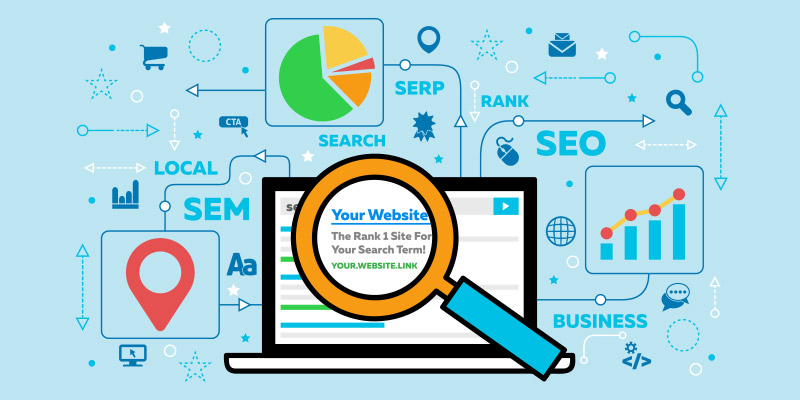
Hyperlocal SEO refers to the process of optimizing your online presence to attract more business from local searches that are extremely specific to your area. This might include optimizing for searches like ‘coffee shop near me’ or ‘best plumber in Brooklyn.’ By narrowing down your focus to a specific geographic area, you can effectively compete with larger businesses by being the most relevant option for local customers.
Why is Hyperlocal SEO Important?
The importance of Hyperlocal SEO cannot be overstated. With more people relying on their smartphones to find businesses nearby, being visible in these local searches is crucial for small businesses. It helps in driving foot traffic, increasing brand awareness, and ultimately boosting sales. According to studies, nearly half of all Google searches are local searches, highlighting the need for businesses to optimize locally.
Key Elements of Hyperlocal SEO
Google My Business
A well-optimized Google My Business profile is essential for Hyperlocal SEO. It acts as a mini-website for your business, providing potential customers with vital information such as operating hours, location, and reviews. Make sure your profile is complete and regularly updated.
Local Keywords
Incorporate local keywords into your websites content. These keywords should reflect the specific areas you serve. Tools like the Google Keyword Planner can help you identify the best keywords to target.
Online Reviews
Encourage satisfied customers to leave positive reviews on your Google My Business listing and other review platforms. Reviews not only influence potential customers but also impact your search rankings.
Backlinks and Citations
Building a robust backlink profile and ensuring your business is listed in local directories helps enhance your Hyperlocal SEO efforts. Aim for quality over quantity when it comes to backlinks.
How to Implement Hyperlocal SEO Strategies
Research Local Keywords
Start by identifying the keywords that potential local customers are using. As mentioned, Google Keyword Planner is a valuable tool for this purpose. Focus on long-tail keywords that are specific to your area.
Optimize Your Website
Ensure your website is mobile-friendly, loads quickly, and has a clear structure. Incorporate local keywords naturally into your content, titles, and meta descriptions.
Utilize Google My Business
Regularly update your Google My Business profile with accurate information. Post updates about your business, like special promotions or new services, to keep potential customers engaged.
Engage with the Community
Participate in local events and collaborate with other local businesses. This not only enhances your brands visibility but also helps in building valuable local backlinks.
Monitor and Analyze
Use tools like Google Analytics to track your websites performance. Monitor which strategies are working and make adjustments as needed. Regular analysis is key to maintaining and improving your Hyperlocal SEO efforts.
Challenges in Hyperlocal SEO and How to Overcome Them
Like any other marketing strategy, Hyperlocal SEO comes with its own set of challenges. One common issue is the ever-changing nature of search engine algorithms. Staying updated with these changes can be daunting but is necessary for success. Engaging with a local SEO expert or agency can help navigate these complexities. For more details on getting started, check out getting started with local SEO.
Future of Hyperlocal SEO
The future looks promising for Hyperlocal SEO. With advancements in AI and machine learning, search engines are becoming more adept at understanding user intent, which will further enhance the importance of local optimization. Small businesses that invest in Hyperlocal SEO now are likely to reap significant benefits in the future.
Frequently Asked Questions
What is the difference between local SEO and Hyperlocal SEO?
While both focus on local search optimization, Hyperlocal SEO is more granular, targeting specific neighborhoods or even streets, whereas local SEO might target a larger city or region.
How long does it take to see results from Hyperlocal SEO?
Results vary, but businesses often start seeing improvements within three to six months. Consistent effort and monitoring are essential for sustained success.
Can I do Hyperlocal SEO myself, or should I hire an expert?
While it is possible to manage Hyperlocal SEO on your own, hiring an expert can save time and ensure that you are using the best practices. For budget considerations, visit cost of local SEO services.


