


29, Jun 2025
SEO Content Calendar for Ecommerce: A Guide to Success
In todays fast-paced digital world, having a well-organized SEO content calendar for ecommerce is crucial for businesses looking to thrive online. An effective content calendar not only helps in organizing content but also plays a vital role in ensuring that your ecommerce site remains visible and relevant in search engine results. By strategically planning your content, you can target the right audience, enhance your SEO efforts, and ultimately boost your sales.
Creating an SEO content calendar for ecommerce involves several key steps and considerations. From understanding your target audience to selecting the right keywords and topics, every aspect plays a significant role in the overall success of your ecommerce business. Lets delve into the essential components of crafting a content calendar that drives results.

Understanding the Importance of an SEO Content Calendar
For ecommerce businesses, an SEO content calendar acts as a roadmap, guiding your content creation and publishing efforts. It ensures that your content is not only timely but also aligned with your business objectives and SEO goals. By having a structured plan, you can avoid last-minute content creation and ensure that your messaging remains consistent and impactful.
Essential Components of an SEO Content Calendar
Identifying Your Target Audience
Before you start creating content, its crucial to understand who your target audience is. Identifying your audiences demographics, preferences, and behaviors can help you tailor your content to meet their needs and expectations. This step is vital for ensuring that your content resonates with your audience and encourages them to engage with your brand.
Conducting Keyword Research
Keyword research is the foundation of any successful SEO strategy. By identifying relevant keywords and phrases that your audience is searching for, you can create content that addresses their queries and positions your ecommerce site as a valuable resource. Tools like Google Keyword Planner and SEMrush can assist in finding the right keywords for your business.
Choosing the Right Content Types
From blog posts and product descriptions to videos and infographics, there are various content types that you can include in your SEO content calendar. Each content type serves a different purpose and can appeal to different segments of your audience. Consider diversifying your content to keep your audience engaged and cater to different learning preferences.
Creating a Structured Content Plan
Setting Clear Goals and Objectives
Define what you aim to achieve with your content calendar. Are you looking to increase brand awareness, drive more traffic to your site, or boost sales? Setting clear goals will help you measure the success of your efforts and make necessary adjustments along the way.
Establishing a Publishing Schedule
Consistency is key when it comes to content marketing. Establish a regular publishing schedule that aligns with your business objectives and keeps your audience engaged. Whether its weekly blog posts or monthly newsletters, a consistent schedule helps build anticipation and trust with your audience.
Assigning Roles and Responsibilities
If you have a team, its important to assign specific roles and responsibilities to ensure that your content creation process runs smoothly. From writers and editors to designers and social media managers, each team member plays a crucial role in bringing your content calendar to life.
Integrating SEO Best Practices
Incorporate SEO best practices into your content creation process to enhance your sites visibility and rankings. This includes optimizing your headlines, using relevant keywords, and ensuring that your content is mobile-friendly. Regularly updating and refreshing your content can also improve your SEO performance.
Tracking and Measuring Success
Monitoring Key Metrics
Track key performance metrics such as website traffic, conversion rates, and engagement levels to assess the effectiveness of your content calendar. Tools like Google Analytics can provide valuable insights into your audiences behavior and preferences.
Adjusting Your Strategy
Based on your analysis, make necessary adjustments to your content calendar to ensure that it remains relevant and effective. This may involve tweaking your content topics, experimenting with different content types, or refining your keyword strategy.
Staying Updated with Industry Trends
The digital landscape is constantly evolving, and staying updated with the latest industry trends is crucial for maintaining a competitive edge. Regularly review industry reports, attend webinars, and network with other professionals to stay informed about the latest developments in ecommerce and SEO.

FAQs
What is an SEO content calendar?
An SEO content calendar is a strategic tool used by businesses to plan, organize, and schedule their content creation efforts. It helps ensure that content is published consistently and aligned with SEO goals.
How often should I update my content calendar?
Its recommended to review and update your content calendar regularly, at least once a quarter, to ensure that it remains aligned with your business objectives and industry trends.
Can a content calendar improve my ecommerce sales?
Yes, a well-structured content calendar can improve your ecommerce sales by enhancing your sites visibility, attracting more traffic, and engaging your target audience effectively.
For more in-depth insights on SEO content calendar for ecommerce, you can visit WebFX’s guide on ecommerce SEO.
- 0
- By Katelynn S.


29, Jun 2025
How to Write Ecommerce Category Descriptions for Success
When it comes to managing an online store, knowing how to write ecommerce category descriptions is a skill that can set your business apart. Engaging and well-crafted descriptions not only improve SEO but also enhance the shopping experience, making it easier for customers to find what they need. In this guide, we will explore the essential components of creating compelling category descriptions and how they can drive more traffic and sales to your e-commerce site.
Understanding the Importance of Category Descriptions
Category descriptions are more than just placeholders on your website. They serve as a crucial element in SEO strategies, helping search engines understand the content and context of your pages. This can significantly impact your site’s visibility and ranking. Moreover, well-written descriptions can captivate potential buyers, improving conversion rates by providing clear and concise information about the products within each category.
What Makes a Category Description Effective?
Clarity and Conciseness
Effective category descriptions are clear and concise. They provide essential information without overwhelming the reader, ensuring that potential customers understand what the category offers at a glance. A good rule of thumb is to keep your descriptions between 150 to 300 words.
Incorporating Relevant Keywords
Incorporating SEO keywords naturally within your descriptions is vital. This includes using primary keywords like ‘ecommerce category descriptions’ while also considering related terms that customers might use when searching for products. For an in-depth look at how to strategically use keywords, you can explore [SEO vs. Paid Traffic](https://webtownusa.com/seo-vs-paid-traffic-for-ecommerce/) strategies on WebTown USA.
Highlighting Unique Selling Points
Your category descriptions should highlight what makes your products unique. This could be anything from special materials, exclusive designs, or competitive pricing. By focusing on these unique selling points, you differentiate your offerings from competitors.
Steps to Crafting Engaging Category Descriptions
Identify Your Target Audience
Before writing, understand your target audience. Consider their preferences, needs, and pain points. Tailor your descriptions to resonate with them, using language and tone that appeals specifically to your demographic.
Research and Use Appropriate Keywords
Conduct keyword research using tools like Google Keyword Planner or SEMrush. Identify keywords that have a high search volume and are relevant to your products. Integrate these keywords naturally into your descriptions to enhance SEO performance.
Write for Humans, Not Search Engines
While it’s essential to include keywords, prioritize readability and engagement. Your descriptions should be informative and engaging, written in a way that makes sense to human readers. This approach not only improves the user experience but also aligns with search engine algorithms that favor quality content.
Use Engaging and Persuasive Language
Use language that persuades and excites. Words like ‘discover,’ ‘explore,’ and ‘enhance’ can motivate customers to take action. Consider including a call to action that encourages readers to browse the category or explore related products.
Common Mistakes to Avoid
Overloading with Keywords
Avoid keyword stuffing, as it can make content unreadable and harm your SEO performance. Focus on quality over quantity, ensuring that your descriptions remain natural and engaging.
Ignoring Mobile Users
With the rise of mobile shopping, ensure your category descriptions are mobile-friendly. Use short paragraphs, bullet points, and other formatting options that enhance readability on smaller screens.
Leveraging Tools and Resources
There are various tools available to assist in crafting and optimizing category descriptions. Using tools like Grammarly can help with grammar and readability checks, while platforms like [Coursera](https://www.coursera.org/articles/ecommerce-seo) offer courses to enhance your understanding of SEO for ecommerce.
For more insights on balancing content and search engine requirements, checking out [SEO for Ecommerce Blogs](https://webtownusa.com/seo-for-ecommerce-blogs/) can provide valuable tips.
Staying Updated with SEO Best Practices
The world of SEO is ever-changing. Keep up-to-date with the latest trends and best practices to ensure your category descriptions remain effective. Regularly review and update your content to align with current SEO standards.
Conclusion
Mastering how to write ecommerce category descriptions is an ongoing process. By focusing on clarity, relevance, and engagement, you can create descriptions that not only enhance your site’s SEO but also improve the overall shopping experience for your customers. Remember, a well-crafted description can make all the difference in converting a casual browser into a loyal customer.
FAQs
Why are category descriptions important for SEO?
Category descriptions help search engines understand the content and context of your pages, improving visibility and ranking.
How often should I update my category descriptions?
Regularly review and update your descriptions to align with the latest SEO best practices and trends.
Can I use automated tools to write category descriptions?
While automated tools can assist, it’s essential to add a human touch to ensure descriptions are engaging and resonate with your audience.

28, Jun 2025
What Is Content Marketing: A Guide for Small Businesses
In today’s digital age, the term ‘content marketing’ has become a buzzword among businesses of all sizes. But what is content marketing, and why is it so crucial for small businesses? Understanding this concept can be the key to unlocking new opportunities and reaching a broader audience. In this article, we’ll explore what content marketing is, its benefits, and how small businesses can effectively implement it to grow and thrive.

Understanding Content Marketing
Content marketing is a strategic approach focused on creating, publishing, and distributing valuable, relevant, and consistent content to attract and retain a clearly defined audience. Rather than directly pitching products or services, it aims to provide useful and informative content that solves problems or fulfills the needs of your target audience.
The Importance of Content Marketing
For small businesses, content marketing serves as a powerful tool to build brand awareness, establish authority, and foster long-term relationships with customers. By delivering high-quality content, businesses can position themselves as industry leaders and gain the trust of their audience.
Different Types of Content Marketing
There are various forms of content marketing, each serving a unique purpose. These include:
- Blog Posts: Share insights, tips, and industry news.
- Social Media Content: Engage with your audience through platforms like Facebook, Instagram, and Twitter.
- Videos: Create engaging and visually appealing content.
- Podcasts: Offer audio content that listeners can enjoy on the go.
- Infographics: Present information in a visually digestible format.
Benefits of Content Marketing for Small Businesses
Small businesses often operate with limited resources, making content marketing an attractive option due to its cost-effectiveness and potential for high returns. Here are some benefits:
Increased Brand Awareness
By consistently producing and sharing valuable content, small businesses can increase their visibility and reach a wider audience. This awareness can lead to more traffic, inquiries, and sales.
Improved SEO and Organic Traffic
Effective content marketing can enhance your website’s search engine rankings, driving more organic traffic to your site. SEO tools and strategies are essential components in optimizing your content for search engines.
Building Authority and Trust
Providing informative and valuable content helps establish your business as an authority in your industry. This trust can lead to increased customer loyalty and advocacy.
Cost-Effective Marketing
Compared to traditional advertising methods, content marketing is more affordable and offers lasting results. It allows small businesses to compete with larger companies without a hefty marketing budget.
Steps to Implement Content Marketing
Identify Your Target Audience
Understanding your audience’s needs, preferences, and pain points is crucial in creating content that resonates with them. Conduct market research to gather insights and tailor your content accordingly.
Create a Content Strategy
A well-defined content strategy outlines your goals, content types, distribution channels, and timelines. It serves as a roadmap for your content marketing efforts, ensuring consistency and alignment with your business objectives.
Develop High-Quality Content
Focus on producing content that is informative, engaging, and valuable to your audience. High-quality content is more likely to be shared, increasing your reach and impact.
Promote Your Content
Once you’ve developed great content, it’s essential to promote it through various channels, such as social media, email marketing, and collaborations with other businesses or influencers.
Measure and Analyze Performance
Regularly monitor the performance of your content using analytics tools. Evaluate metrics such as website traffic, engagement, and conversion rates to gain insights into what’s working and what needs improvement.
Common Challenges in Content Marketing
Producing Consistent Content
Consistency is key in content marketing. However, small businesses may struggle to maintain a steady flow of content due to limited resources. Developing a content calendar can help streamline the process and ensure regular updates.
Standing Out in a Crowded Market
With so much content available online, it can be challenging to capture your audience’s attention. Focus on creating unique and valuable content that addresses specific needs or gaps in the market.
Adapting to Changing Trends
The digital landscape is constantly evolving, and staying updated with the latest trends is crucial for success. Continuously educate yourself and adapt your content marketing strategies to remain relevant.
Conclusion
In conclusion, content marketing is a powerful and cost-effective strategy for small businesses to connect with their audience, build brand authority, and drive sustainable growth. By understanding what content marketing is and implementing best practices, small businesses can thrive in today’s competitive digital landscape. For those interested in learning more, resources such as WebFX’s overview of content marketing benefits can provide additional insights.

FAQ
What is the main goal of content marketing?
The primary goal of content marketing is to attract and retain customers by consistently providing valuable, relevant, and engaging content.
How does content marketing differ from traditional advertising?
Unlike traditional advertising, which focuses on direct promotion, content marketing aims to educate and inform the audience, building trust and relationships over time.
Can small businesses benefit from content marketing?
Yes, small businesses can significantly benefit from content marketing as it is a cost-effective way to increase brand awareness, improve SEO, and build customer relationships.

28, Jun 2025
Machine Learning Content Tools for Smarter Content Development
In today’s digital age, businesses are constantly seeking ways to enhance their content strategy. One of the most promising advancements in this field is the use of machine learning content tools. These tools are revolutionizing how we create, optimize, and distribute content, making them an essential asset for small businesses.
By leveraging the power of machine learning, businesses can now produce high-quality content that resonates with their audience, ultimately leading to increased engagement and conversions. In this article, we will explore how machine learning content tools can transform your content strategy.

What Are Machine Learning Content Tools?
Machine learning content tools are software applications that use artificial intelligence to assist in the creation, optimization, and distribution of content. They use algorithms to analyze data and make predictions, allowing businesses to make informed decisions about their content strategy.
Key Features of Machine Learning Content Tools
- Data Analysis: These tools can analyze vast amounts of data to identify trends and patterns.
- Content Optimization: They help optimize content for search engines and user engagement.
- Personalization: Machine learning enables the creation of personalized content tailored to specific audience segments.
Benefits of Using Machine Learning Content Tools
Integrating machine learning content tools into your content strategy offers numerous benefits:
1. Enhanced Content Quality
With machine learning, businesses can produce high-quality content that is both informative and engaging. The tools analyze audience behavior and preferences, ensuring that the content is relevant and valuable.
2. Improved Efficiency
Machine learning automates many aspects of content creation, allowing businesses to produce more content in less time. This efficiency is crucial for small businesses with limited resources.
3. Data-Driven Insights
These tools provide valuable insights into audience behavior and content performance, enabling businesses to make data-driven decisions. For more on tracking content performance, visit content performance tracking.
How to Implement Machine Learning Content Tools
Implementing machine learning content tools into your strategy requires careful planning and execution. Here are some steps to consider:
1. Identify Your Goals
Before selecting a tool, it’s important to identify your specific goals. Are you looking to improve content quality, increase engagement, or enhance distribution?
2. Choose the Right Tool
Select a tool that aligns with your goals and budget. There are numerous options available, each with its own set of features and capabilities.
3. Train Your Team
Ensure that your team is trained to use the tool effectively. This may involve providing education resources and ongoing support.
Challenges of Using Machine Learning Content Tools
While the benefits are substantial, there are challenges to consider:
1. Complexity
Machine learning algorithms can be complex and require a deep understanding of data science.
2. Cost
Some tools can be expensive, making them less accessible for small businesses with limited budgets.
Future of Machine Learning in Content Creation
The future of machine learning content tools is promising. As technology advances, these tools will become more sophisticated, offering even greater capabilities for content creation and optimization.
For insights on content marketing benefits, check out this external guide.
Conclusion
Incorporating machine learning content tools into your content strategy can provide significant advantages. From improving content quality to offering data-driven insights, these tools are a game-changer for small businesses. By staying ahead of the curve and adopting these tools, businesses can enhance their content strategy and achieve greater success in the digital landscape.

FAQs
What are the primary benefits of machine learning content tools?
These tools improve content quality, increase efficiency, and provide data-driven insights.
Are machine learning content tools suitable for small businesses?
Yes, they are particularly beneficial for small businesses looking to enhance their content strategy with limited resources.
How do machine learning content tools personalize content?
They analyze audience data to create content tailored to specific segments, enhancing engagement and relevance.
28, Jun 2025
SEO for New eCommerce Sites: Key Strategies for Success
Launching a new eCommerce site is an exciting venture. However, to ensure its success, understanding SEO for new eCommerce sites is crucial. With the right strategies, you can increase visibility, attract potential customers, and boost sales. In this article, we’ll explore essential SEO strategies to help your new eCommerce site thrive.
Understanding the Basics of SEO
SEO, or Search Engine Optimization, is the process of optimizing your website to rank higher in search engine results. For new eCommerce sites, this means ensuring your products are easily found by potential customers. By focusing on seo for new ecommerce sites, you can effectively increase your site’s visibility.
Conducting Keyword Research
Keyword research is the foundation of any successful SEO strategy. It involves identifying the terms and phrases your potential customers use when searching for products online. Tools like Google Keyword Planner can help you find the right keywords to target, ensuring your site attracts the right audience.
Utilizing Long-Tail Keywords
Long-tail keywords are longer, more specific phrases that potential customers might use. They may have lower search volumes, but they often lead to higher conversion rates. Learn more about long-tail keywords and how they can benefit your eCommerce site.
Optimizing Product Pages
Your product pages are the heart of your eCommerce site. Optimizing them for search engines ensures they rank well and attract potential buyers. Use descriptive titles, high-quality images, and detailed product descriptions to enhance their SEO.
Creating Unique Product Descriptions
Avoid using manufacturer descriptions or generic text. Instead, craft unique, engaging descriptions that include your target keywords. This not only improves SEO but also enhances the shopping experience for your customers.
Improving Site Structure
A well-structured site is essential for both users and search engines. Ensure your site is easy to navigate, with clear categories and a logical hierarchy. This helps search engines crawl your site more effectively and improves user experience.
Implementing SEO-Friendly URLs
SEO-friendly URLs are clean, descriptive, and include keywords. They help search engines understand your content and improve click-through rates. Check out this guide to learn how to create SEO-friendly URLs for your eCommerce site.
Enhancing Mobile Optimization
With more consumers shopping on mobile devices, ensuring your site is mobile-friendly is crucial. Google prioritizes mobile-friendly sites in its rankings, so optimizing for mobile can significantly impact your SEO.
Responsive Design
Implement a responsive design that adjusts to different screen sizes. This ensures a seamless shopping experience on any device. Learn more about mobile SEO for eCommerce sites.
Building Quality Backlinks
Backlinks are links from other websites to yours. They signal to search engines that your site is trustworthy and authoritative. Focus on acquiring quality backlinks from reputable sources to boost your site’s credibility and SEO.
Guest Blogging
Guest blogging on industry-related sites is an effective way to build backlinks. By sharing your expertise, you can attract new audiences and improve your site’s authority. For more insights, consider visiting Backlinko’s eCommerce SEO guide.
Avoiding SEO Penalties
SEO penalties can severely impact your site’s rankings. Avoid practices like keyword stuffing, duplicate content, and buying backlinks. Stay updated with Google’s guidelines to ensure your site remains penalty-free.
Maintaining Quality Content
Focus on creating high-quality, valuable content that meets your audience’s needs. Regularly update your site with fresh content to keep visitors engaged and improve your SEO. Discover strategies to avoid SEO penalties.
Utilizing SEO Plugins
For sites built on platforms like WordPress, SEO plugins can simplify optimization. These tools help you manage meta tags, generate sitemaps, and analyze your site’s performance.
Top SEO Plugins for eCommerce
Consider using plugins like Yoast SEO or All in One SEO Pack to enhance your site’s SEO. These tools offer features tailored for eCommerce sites, helping you optimize your content effectively. Explore top SEO plugins for your eCommerce platform.
Monitoring and Analyzing Performance
Regularly monitor your site’s performance using tools like Google Analytics. Analyzing data helps you understand what’s working and where improvements are needed. Adjust your strategies based on insights gained to continually optimize your site.
Setting Up Google Analytics
Install Google Analytics to track key metrics like traffic, bounce rates, and conversion rates. This data is invaluable for understanding your audience and refining your SEO strategies.

FAQ
What is the importance of SEO for new eCommerce sites?
SEO is crucial for new eCommerce sites as it improves visibility, attracts potential customers, and increases sales. By optimizing your site, you ensure it ranks well in search engine results.
How do I choose the right keywords for my eCommerce site?
Use tools like Google Keyword Planner to find relevant keywords. Focus on long-tail keywords as they often lead to higher conversion rates.
Why is mobile optimization important for eCommerce sites?
With more consumers shopping on mobile devices, ensuring your site is mobile-friendly enhances user experience and improves your search engine rankings.
By implementing these strategies, you can effectively optimize your new eCommerce site and set it on the path to success. Remember, SEO is an ongoing process that requires regular monitoring and adjustments.
28, Jun 2025
How to Optimize Images for Google Shopping Success
In the digital age, where e-commerce is thriving, understanding how to optimize images for Google Shopping is crucial for small businesses. Images not only attract potential customers but also play a vital role in improving your product visibility on Google Shopping. When optimized correctly, images can enhance the shopping experience and increase the chances of conversion. This guide will walk you through the essential steps to ensure your images are optimized to their fullest potential.
Understanding the Importance of Image Optimization
Before diving into the specifics, it’s important to understand why image optimization matters. Google Shopping relies heavily on product images to engage users. A well-optimized image can make your product stand out in search results, leading to higher click-through rates and improved sales. For more insights on enhancing your e-commerce strategy, visit SEO A/B testing.
Choosing the Right Image Format
One of the first steps in optimizing images is selecting the right format. JPEG and PNG are the most commonly used formats for e-commerce. JPEG is ideal for photographic images with a lot of colors, while PNG is better suited for images requiring transparency. Each format has its advantages, and choosing the correct one can impact load times and image quality.
JPEG vs. PNG: Which is Better?
JPEG files are generally smaller in size, which reduces loading time, a critical factor for SEO and user experience. On the other hand, PNG files offer better quality and are preferred for images with text or transparency. The choice depends on the nature of your product images and the specific requirements of Google Shopping.
Image Size and Dimensions
Google Shopping has specific requirements regarding image size and dimensions. Typically, images should be at least 800×800 pixels to ensure clarity and detail. Larger images can be scaled down, but smaller images may become pixelated when enlarged. Ensure your images are of high resolution to maintain quality and appeal.
Resizing Without Losing Quality
Resizing images while maintaining quality is crucial. Various tools like Adobe Photoshop or online platforms such as Canva can help you resize images while preserving their original quality. Consistently maintaining the recommended size ensures that your images meet Google Shopping standards.
Importance of Alt Text
Alt text, or alternative text, is an HTML attribute used to describe the content of an image. It’s crucial for SEO as it helps Google understand the content of your images. Properly written alt text can improve your search rankings and accessibility for users with visual impairments.
Crafting Effective Alt Text
When writing alt text, be descriptive and include relevant keywords. Avoid keyword stuffing; instead, focus on accurately describing the image content. For example, instead of ‘red dress,’ use ‘elegant red evening dress with lace detailing.’ This approach provides context and enhances search visibility.
Utilizing Descriptive File Names
File names should be descriptive and contain relevant keywords. A file named ‘IMG_1234.jpg’ provides no context to Google. Instead, use a descriptive name like ‘blue-running-shoes-women.jpg.’ This practice not only helps with SEO but also makes your files more organized and easier to manage.
Optimizing Image Load Time
Speed is a critical factor in both user experience and SEO. Slow-loading images can deter potential customers and negatively impact your search rankings. To improve load times, compress images using tools like TinyPNG or Compressor.io, which reduce file size without compromising quality. Learn more about SEO for blogs.
Lazy Loading
Implementing lazy loading can enhance page speed by loading images only when they appear in the user’s viewport. This technique can dramatically reduce initial load times, making your site more responsive and user-friendly.
Consistency Across Platforms
Ensuring that your images are consistent across all platforms is essential for brand recognition and user trust. Use the same style, filters, and formats to maintain a cohesive brand image. This consistency can enhance your brand’s credibility and make your products easily recognizable.
Adhering to Google Shopping Policies
Google Shopping has specific policies regarding images, and non-compliance can result in disapproval of your listings. Ensure your images meet all requirements, such as no promotional overlays or watermarks, and adhere to Google’s guidelines for a seamless shopping experience. For more details on Googles policies, visit the SEO Starter Guide.
Utilizing Image Sitemaps
Image sitemaps can improve the indexability of your images by Google. They provide additional information about your images and help search engines crawl and index them effectively. Ensure your sitemap is updated regularly to reflect any changes in your image URLs.
Leveraging Structured Data
Structured data enhances how your images appear in search results. By using schema markup, you can provide search engines with more context about your images, improving visibility and relevance in search results.
Monitoring and Testing
Regularly monitor and test your image optimization efforts. Tools like Google Analytics can provide insights into how your images are performing. Use this data to make informed decisions and continuously improve your SEO strategy. For more on testing strategies, see A/B testing.
Conclusion
Optimizing images for Google Shopping is an ongoing process that requires attention to detail and a commitment to best practices. By following these guidelines, small businesses can improve their product visibility, enhance user experience, and ultimately drive more sales. Stay informed, adapt to changes, and continually refine your strategies to achieve success in the competitive world of e-commerce.

FAQs
What image formats are best for Google Shopping?
JPEG and PNG are recommended formats. JPEG is ideal for detailed images, while PNG is suitable for images requiring transparency.
How can I improve image load time?
Compress images using tools like TinyPNG and implement lazy loading to enhance load times and improve user experience.
Why is alt text important for image optimization?
Alt text helps search engines understand image content, improving SEO and accessibility for visually impaired users.
28, Jun 2025
Local SEO and Video Marketing: Boost Your Business Growth
In the modern digital landscape, the combination of Local SEO and video marketing has emerged as a powerful strategy for small businesses aiming to achieve significant growth. By harnessing the potential of these two marketing pillars, businesses can effectively increase their visibility, engage their target audience, and drive conversions. This article will delve into how Local SEO and video marketing can be leveraged to enhance business success.

Understanding Local SEO
Local SEO is an optimization process designed to improve a business’s visibility in local search results on search engines like Google. It involves a series of strategies and practices to ensure that your business appears prominently when potential customers search for relevant services or products within a specific geographic location. According to a recent study, small businesses that focus on Local SEO often see a substantial increase in foot traffic and sales.
The Role of Video Marketing
Video marketing involves creating and sharing videos to promote a product, service, or brand. Videos are highly engaging and can effectively communicate a brand’s message, making them an invaluable tool in a marketing strategy. By integrating video marketing with Local SEO, businesses can create a compelling presence that resonates with local audiences.
Video Content Ideas for Local SEO
Creating localized video content is crucial for engaging your community. Consider these ideas:
- Customer testimonials that highlight local customers.
- Behind-the-scenes looks at your business operations.
- Product demonstrations featuring local themes or landmarks.
Optimizing Videos for Local SEO
For effective video marketing, it’s essential to optimize your videos for search engines. Use local keywords in your video titles, descriptions, and tags. Ensure your video content is relevant to local events or interests, which can increase your visibility in local search results. For more insights, check out our article on building authority in local SEO.
Local SEO Strategies for Video Marketing
Integrating Local SEO with video marketing involves several strategies that can help small businesses succeed:
Google My Business Optimization
Claiming and optimizing your Google Business Profile is crucial. Include video content in your profile to engage viewers and provide a richer experience. This enhances your visibility in local search results and encourages more customer interactions.
Embedding Videos on Your Website
Embed videos on your website’s homepage and other relevant pages. This not only improves user engagement but also helps search engines understand the context of your content. Ensure your videos are mobile-friendly, as a significant portion of local searches occur on mobile devices.
Utilizing Social Media Platforms
Share your video content on social media platforms like Facebook, Instagram, and YouTube. These platforms are excellent for reaching local audiences and can increase your brand’s visibility. Engage with your audience by responding to comments and encouraging shares.
Measuring the Success of Local SEO and Video Marketing
Tracking the success of your Local SEO and video marketing efforts is vital to understanding their impact on your business. Use analytics tools to monitor key metrics such as website traffic, video views, and conversion rates. For more guidance, see our tips on local SEO metrics.
Customer Engagement and Feedback
Engage with local customers and gather feedback to improve your strategies. Customer insights can provide valuable information on what resonates with your audience and where improvements can be made.
Continuous Improvement
Local SEO and video marketing require ongoing efforts. Stay updated with the latest trends and continuously refine your strategies to stay ahead of the competition. Explore our article on using analytics to enhance your local SEO efforts.

FAQs
Why is Local SEO important for small businesses?
Local SEO is crucial for small businesses because it helps them reach customers in their immediate vicinity. By optimizing for local search results, businesses can attract more foot traffic and increase sales.
How does video marketing enhance local SEO?
Video marketing enhances Local SEO by increasing engagement and providing valuable content that can be optimized for local keywords. Videos can also be shared on social media, reaching a broader local audience.
What are some common mistakes in Local SEO and video marketing?
Common mistakes include neglecting to optimize video content for local keywords, not utilizing social media effectively, and failing to engage with customer feedback. Avoid these errors to maximize the impact of your strategies.
27, Jun 2025
Understanding Pillar Content and Topic Clusters for Digital Success
In today’s digital landscape, understanding pillar content and topic clusters can be a game-changer for small businesses aiming to boost their online presence. Leveraging these strategies not only enhances search engine optimization (SEO) but also improves user engagement and knowledge retention. This article will delve into the concept of pillar content and topic clusters, offering insights on how small businesses can effectively utilize them to achieve digital success.

What is Pillar Content?
Pillar content refers to in-depth pieces of content that cover a broad topic comprehensively. These pieces serve as the foundation of a website’s content strategy, providing valuable information that attracts readers and keeps them engaged. The overarching goal is to create content that is authoritative and informative, encouraging users to explore further.
The Role of Topic Clusters
Topic clusters are groups of interlinked content that revolve around a central theme or pillar page. Each cluster contains subtopics that delve into specific aspects of the main topic, providing readers with detailed information and insights. This structure not only aids in organizing content but also enhances the website’s SEO by improving internal linking and domain authority.
How Pillar Content and Topic Clusters Work Together
When combined, pillar content and topic clusters create a cohesive content ecosystem. The pillar page acts as a hub, linking to various cluster pages that cover specific subtopics. This structure encourages users to navigate through related content, enhancing their understanding of the subject while increasing the time spent on the website.
Benefits of Using Pillar Content and Topic Clusters
Adopting a strategy centered around pillar content and topic clusters offers numerous benefits for small businesses:
- Improved SEO: The interlinking of related content enhances the website’s authority and visibility on search engines.
- Enhanced User Experience: Providing a well-structured content journey keeps users engaged and informed.
- Increased Engagement: Readers are more likely to explore additional content when it’s easily accessible and relevant.
- Authority Building: Comprehensive and insightful content establishes the business as a thought leader in its industry.
Creating Effective Pillar Content
To create impactful pillar content, businesses should focus on:
- Thorough Research: Understanding the target audience’s needs and preferences is crucial.
- Comprehensive Coverage: The content should cover all aspects of the topic to provide maximum value.
- Engaging Format: Incorporating visuals, infographics, and interactive elements can enhance user engagement.
Developing Topic Clusters
When developing topic clusters, consider the following steps:
- Identify Subtopics: Determine relevant subtopics that align with the main pillar content.
- Interlinking Strategy: Ensure all cluster pages link back to the pillar page and vice versa.
- Consistent Updates: Regularly update cluster content to reflect the latest information and trends.
Examples of Successful Pillar Content and Topic Clusters
Several businesses have successfully implemented pillar content and topic clusters to enhance their digital strategy. For instance, companies like HubSpot have utilized this approach to create in-depth resources that drive organic traffic and engagement.
Challenges and Solutions
While implementing pillar content and topic clusters can significantly benefit businesses, there are challenges to consider:
- Resource Intensive: Creating comprehensive content requires time and resources. Consider outsourcing or collaborating with experts to manage the workload.
- Content Overload: Avoid overwhelming readers by ensuring content is well-organized and easy to navigate.
Integrating Pillar Content with Other Strategies
Combining pillar content and topic clusters with other digital marketing strategies, such as social media and content strategy, can amplify results. This holistic approach ensures a consistent brand message across all platforms.
Measuring Success
To evaluate the effectiveness of pillar content and topic clusters, businesses should track metrics such as:
- Traffic Growth: An increase in organic traffic indicates successful content strategies.
- Engagement Metrics: Monitor metrics like bounce rate, time on page, and conversion rates.
- SEO Performance: Analyze keyword rankings and domain authority improvements.
Future Trends in Content Strategy
The future of pillar content and topic clusters is promising, with trends such as voice search and AI-driven content gaining traction. Businesses should stay abreast of these developments to maintain a competitive edge.
Conclusion
In conclusion, leveraging pillar content and topic clusters is a strategic approach that small businesses can adopt to enhance their digital presence. By providing valuable and insightful content, businesses can drive traffic, engage users, and establish themselves as industry leaders.

Frequently Asked Questions
What is the difference between pillar content and topic clusters?
Pillar content is a comprehensive piece covering a broad topic, while topic clusters are interlinked subtopics that explore specific aspects of the main topic.
How do pillar content and topic clusters improve SEO?
They improve SEO by enhancing internal linking, increasing domain authority, and providing comprehensive content that search engines favor.
Can small businesses benefit from pillar content and topic clusters?
Yes, small businesses can significantly benefit by improving their online visibility, engaging users, and establishing authority in their industry.
For more insights on content strategies, visit Forbes and WebFX.
27, Jun 2025
Google Business Profile Optimization Tips for Success
In the digital age, having a robust online presence is crucial for any business. This presence often begins with Google Business Profile optimization, a vital tool for small businesses aiming for success in the competitive online marketplace. If you’re keen to understand how to leverage this powerful tool, keep reading for some essential tips.
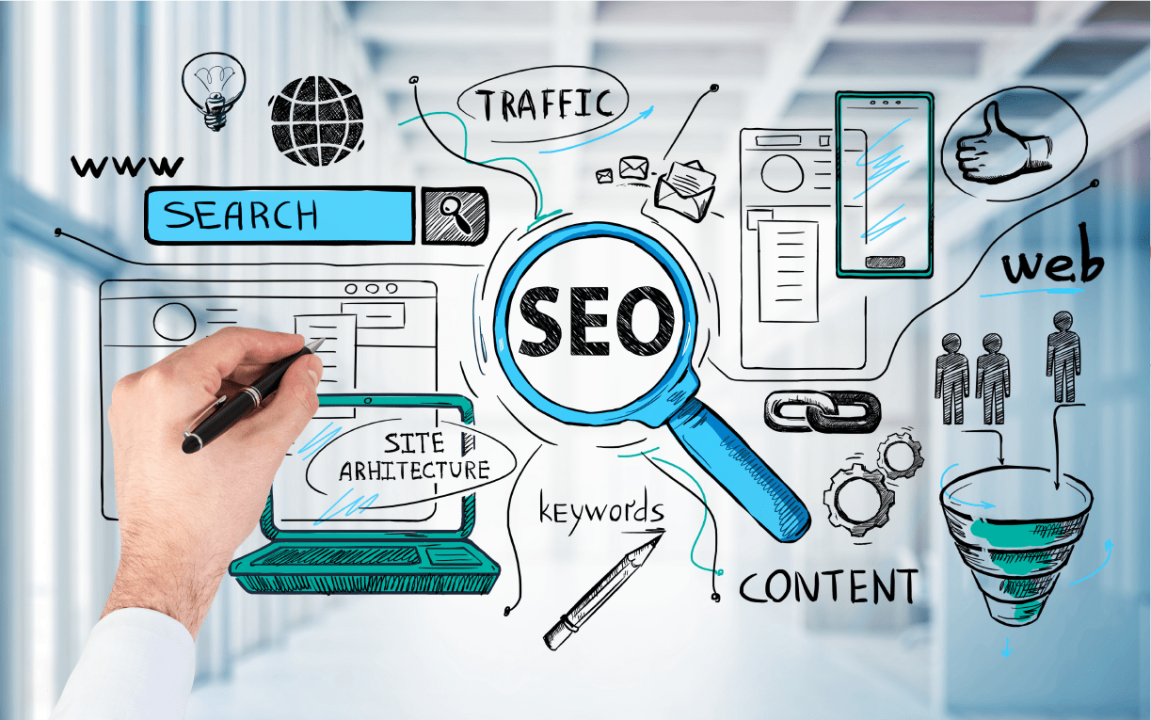
Understanding the Basics of Google Business Profile
Before diving into optimization, it’s important to understand what a Google Business Profile is. It’s a free tool provided by Google that allows businesses to manage their online presence across Google, including Search and Maps. This profile helps customers find your business and learn more about it.
Importance of Google Business Profile
Your Google Business Profile serves as a key player in local SEO. It enhances your visibility and ensures that potential customers have all the necessary information to choose your business over competitors. For more insights into building authority in local SEO, check out Building Authority in Local SEO.
Setting Up Your Google Business Profile
Setting up your profile correctly is the first step towards optimization. Ensure you fill out all your business information accurately, including your business name, address, and phone number. This consistency is crucial for local SEO success.
Choosing the Right Category
Selecting the correct category for your business is vital as it affects how your business appears in searches. Be as specific as possible to ensure your business is listed in relevant searches.
Optimizing Your Business Information
Once your profile is set up, the next step is optimization. This involves updating and enhancing your business information regularly. Include high-quality images, operating hours, and a compelling business description.
Adding High-Quality Images
Images are essential for attracting potential customers. Ensure the images are high-quality and relevant to your business. This visual appeal can significantly influence a customer’s decision to engage with your business.
Encouraging and Managing Customer Reviews
Customer reviews are a powerful tool in building trust and credibility. Encourage satisfied customers to leave positive reviews and ensure to respond to reviews, whether positive or negative, as this demonstrates your engagement and dedication to customer satisfaction.
Responding to Reviews
When responding to reviews, maintain a professional and courteous tone. Address any concerns raised and thank customers for their feedback. For more tips on managing such interactions, see Managing Local SEO Campaigns.
Utilizing Google Posts
Google Posts are a great way to share updates and promotions directly on your Google Business Profile. These posts can include text, photos, and even videos, providing an opportunity to engage with customers directly.
Tracking and Analyzing Performance
Regularly tracking and analyzing your profile’s performance is crucial. Use insights provided by Google to understand how customers interact with your profile and identify areas for improvement. For a deeper dive into using analytics, visit Using Analytics for Local SEO.
Utilizing Google Insights
Google Insights offers valuable data about how customers find your business listing on the web. It includes data on search queries, customer actions, and where customers view your business on Google.
Keeping Information Up-to-Date
Keeping your business information up-to-date is essential. This includes updating any changes in your business address, phone number, or operating hours. Inconsistencies can lead to confusion and damage your business’s credibility.
Ensuring Consistency Across Platforms
Consistency across all platforms is key to building a trustworthy online presence. Make sure that your business information is the same on your Google Business Profile, website, and social media channels.
Leveraging Additional Features
Google offers several additional features that can enhance your Google Business Profile. These include Q&A sections, booking buttons, and product catalogs. Utilizing these features can improve user experience and engagement.
Using the Q&A Section
Encourage customers to use the Q&A section to ask questions about your business. This feature can provide additional information to potential customers and improve your business’s overall online presence.
Considering Local SEO Strategies
Optimizing your Google Business Profile is an important part of your overall local SEO strategy. For more information on local SEO metrics, check out Local SEO Metrics.
Incorporating Local Keywords
Incorporate local keywords into your profile description and posts. This will help your business appear in relevant local searches, increasing your visibility to potential customers in your area.
Staying Informed About Updates and Trends
Stay informed about updates and trends in local SEO to ensure your Google Business Profile remains competitive. Follow industry blogs and forums for the latest news and strategies. A useful resource on this topic is Local SEO Industry Trends.
Adapting to Changes
SEO is constantly evolving, and it’s important to adapt to these changes. Regularly update your Google Business Profile to reflect the latest SEO strategies and trends.
Common Mistakes to Avoid
Avoid common mistakes such as neglecting your profile, using incorrect business categories, or failing to engage with customer reviews. For a comprehensive guide on avoiding local SEO mistakes, visit Local SEO Mistakes.
Neglecting Customer Engagement
Ignoring customer reviews and feedback can harm your business’s reputation. Always engage with your customers to build trust and loyalty.
Conclusion
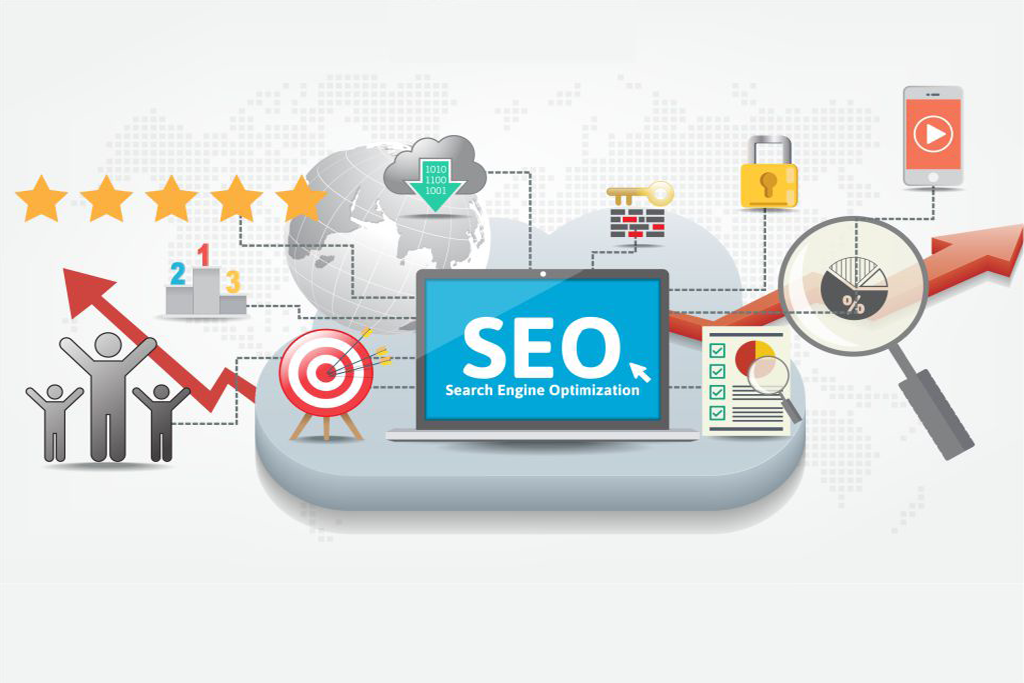
Optimizing your Google Business Profile is an ongoing process that requires attention and dedication. By following these tips and staying informed about the latest SEO strategies, you can enhance your online presence and attract more customers to your business.
FAQ
How often should I update my Google Business Profile?
You should update your profile whenever there are changes in your business information, such as operating hours or contact details. Regular updates help maintain accuracy and improve local SEO.
What are the benefits of Google Posts?
Google Posts allow you to share updates, promotions, and events directly with your customers. They keep your audience engaged and informed about your business activities.
How can I improve my local SEO?
Improving your local SEO involves optimizing your Google Business Profile, using local keywords, engaging with customer reviews, and keeping up-to-date with the latest SEO trends and strategies.
27, Jun 2025
How to Build Local Partnerships for Business Success
In today’s competitive market, understanding how to build local partnerships is crucial for small businesses striving to expand their reach and grow sustainably. Establishing meaningful connections with other local businesses and organizations not only enhances your brand visibility but also fosters a supportive community network. By leveraging these partnerships, you can unlock new opportunities and drive mutual success.

Understanding the Importance of Local Partnerships
Local partnerships are a strategic tool that can significantly boost your business’s growth. They enable you to share resources, access new markets, and enhance your brand’s reputation. By collaborating with businesses within your community, you can create a robust network that supports your objectives and contributes to the local economy.
Benefits of Building Local Partnerships
Forming partnerships with local entities offers numerous advantages. Here are some of the key benefits:
- Increased brand visibility through co-marketing efforts.
- Enhanced customer trust as a result of community engagement.
- Access to new customer bases through partner networks.
- Shared resources and reduced operational costs.
- Opportunities for collaborative innovation and problem-solving.
Identifying Potential Local Partners
Finding the right partners is a critical step in building successful local partnerships. Consider the following:
Research Local Businesses
Start by researching businesses in your area that complement your services or products. Look for those with a similar target audience and values aligned with your own. For instance, if you run a local gym, consider partnering with a nearby health food store or a fitness apparel retailer. For more insights on targeting specific neighborhoods, check out our guide on neighborhood SEO.
Use Networking Platforms
Leverage professional networking platforms such as LinkedIn to connect with potential partners. These platforms allow you to join groups, participate in discussions, and reach out to local business owners who might be interested in a partnership.
Approaching Potential Partners
Once you’ve identified potential partners, it’s time to approach them with a well-thought-out proposal.
Craft a Compelling Proposal
Your proposal should highlight the mutual benefits of the partnership. Be clear about what you bring to the table and how the partnership can help both parties achieve their goals. For tips on crafting effective proposals, see our article on SEO success stories.
Initiate a Meeting
Request a meeting to discuss your proposal in detail. Be open to their ideas and suggestions, and be prepared to negotiate terms that work for both parties.
Maintaining Strong Partnerships
Building a partnership is just the beginning. Maintaining a strong relationship is key to ensuring long-term success.
Regular Communication
Maintain regular communication with your partners to stay aligned on goals and expectations. This can include scheduled meetings, progress updates, and open channels for feedback.
Evaluate and Adjust
Regularly evaluate the partnership’s performance and be willing to make adjustments as needed. This ensures that the partnership remains beneficial for both parties.
Overcoming Challenges in Local Partnerships
Every partnership will face challenges. Being prepared to address them is crucial for sustaining success.
Addressing Conflicts
Conflicts may arise due to differing objectives or misunderstandings. Approach conflicts with a problem-solving mindset, focusing on finding solutions that satisfy both parties.
Adapting to Change
The business landscape is constantly evolving. Be ready to adapt to changes in the market or industry that may impact your partnership. For additional tips on navigating changes, refer to our article on getting started with local SEO.
Leveraging Technology for Partnership Success
Technology can play a pivotal role in enhancing your local partnerships.
Utilizing Collaboration Tools
Use digital tools and platforms to streamline communication and collaboration. Tools like Slack, Trello, and Zoom can help facilitate efficient teamwork and coordination.
Enhancing Online Presence
Improve your online presence through collaborative marketing efforts such as co-hosted webinars, social media campaigns, and joint content creation. This can help you reach a wider audience and increase your brand’s visibility.
Conclusion
Building strong local partnerships is a powerful strategy for small businesses looking to thrive in a competitive market. By identifying the right partners, approaching them with a compelling proposal, and maintaining a strong relationship, you can unlock new opportunities and drive mutual success. Remember to leverage technology and remain adaptable to changes in the business landscape to ensure your partnerships remain effective and beneficial.

FAQs
- Why are local partnerships important for small businesses? Local partnerships help small businesses increase brand visibility, access new markets, and share resources, ultimately contributing to growth and success.
- How can I find potential local partners? Research local businesses that complement your own, use networking platforms to connect with business owners, and consider attending local business events.
- What should I include in a partnership proposal? Highlight mutual benefits, specify what each party brings to the table, and outline how the partnership will help both parties achieve their goals.
For further reading on common mistakes in local partnerships, visit local SEO mistakes.


