


1, Jul 2025
UGC and Ecommerce SEO: Boosting Online Store Success
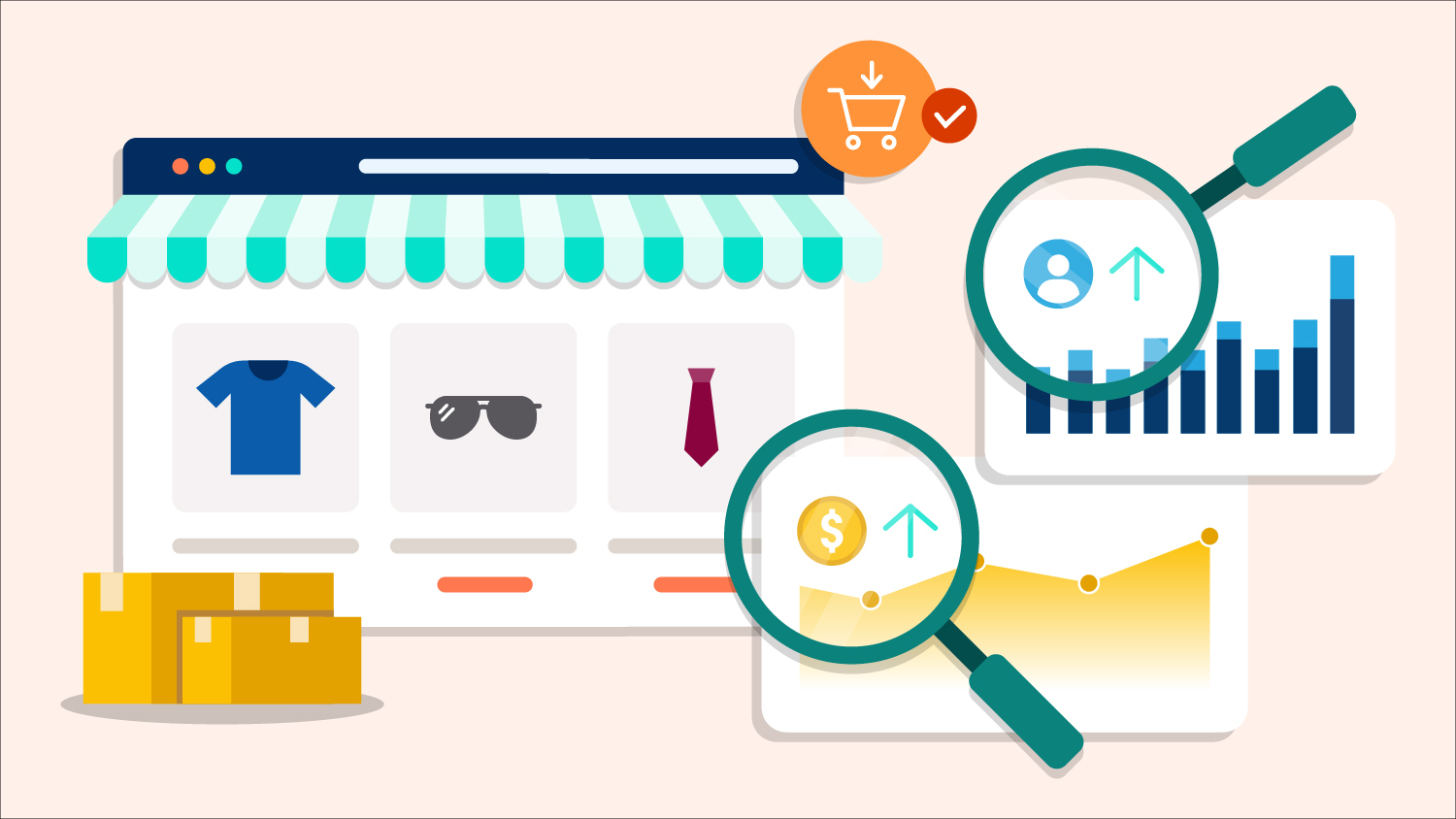
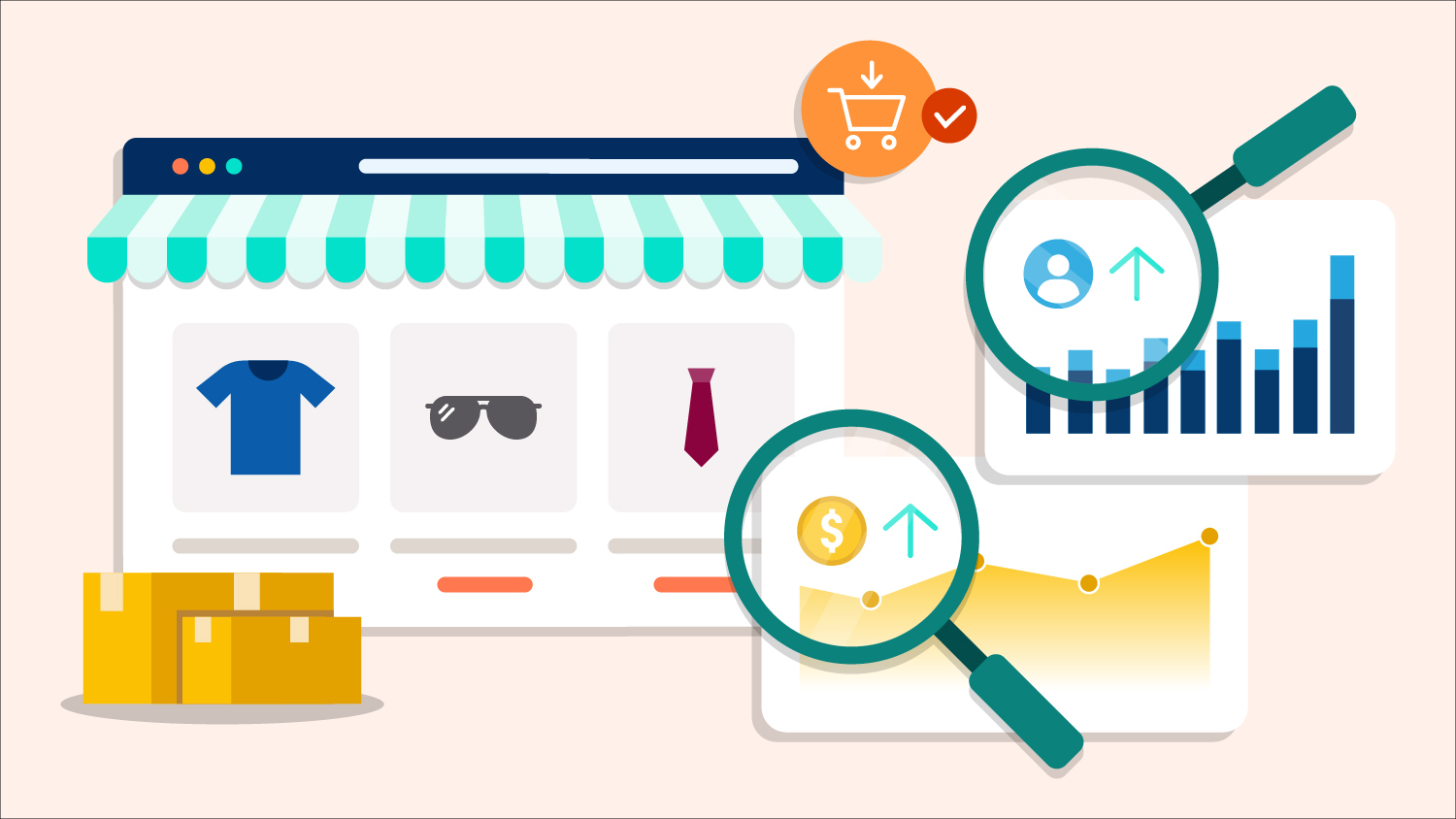
In today’s digital age, the dynamic combination of UGC and ecommerce SEO plays a crucial role in enhancing the visibility and success of online stores. Understanding the synergy between these elements can transform your small business into a thriving enterprise. Let’s delve into how UGC and ecommerce SEO can work together to elevate your online presence.

What is UGC?
User-generated content (UGC) refers to any form of content, such as reviews, testimonials, images, and videos, created by users rather than the brand itself. This content is incredibly valuable for ecommerce platforms, providing authenticity and building trust among potential customers.
Understanding Ecommerce SEO
Ecommerce SEO involves optimizing an online store to rank higher in search engine results pages (SERPs). By improving your site’s visibility, you attract more traffic, which can lead to increased sales and revenue.
The Power of UGC in Ecommerce
Integrating UGC into your ecommerce strategy can significantly impact your SEO efforts. User-generated content not only enhances your website’s credibility but also provides fresh, unique content that search engines favor. Encouraging your customers to share their experiences can be a game-changer for your business.
Enhancing SEO with UGC
Including UGC on your product pages can boost your ecommerce SEO by increasing keyword diversity and relevance. For instance, customer reviews often contain natural language that potential buyers use in searches, helping your pages rank for long-tail keywords.
Leveraging Social Proof
Social proof, in the form of UGC, builds trust and encourages new customers to make purchases. Shoppers are more likely to trust peer reviews and recommendations over branded content, making UGC a powerful tool in your marketing arsenal.
Strategies for Encouraging UGC
To maximize the benefits of UGC, implement strategies that encourage customers to share their experiences. Consider offering incentives, such as discounts or exclusive content, in exchange for reviews or social media mentions.
Incorporating UGC in Product Descriptions
Integrate snippets of positive reviews or customer-generated content in your product descriptions. This not only enriches your content but also provides potential buyers with relatable insights, enhancing their purchasing decision.
SEO Benefits of Customer Reviews
Customer reviews can significantly enhance your ecommerce SEO by adding fresh content to your site. Regularly updated pages with new reviews signal to search engines that your site is active and relevant.
Creating a Sense of Community
Building a community around your brand through UGC fosters customer loyalty and engagement. Encourage customers to interact with each other and your brand on social media platforms, creating a vibrant online community.
Monitoring UGC for Quality Control
While UGC is beneficial, it’s essential to monitor the content for quality and relevance. Implement moderation strategies to ensure that the content aligns with your brand values and provides accurate information.
Utilizing UGC for Content Marketing
Repurpose UGC into various content marketing strategies, such as blog posts, social media campaigns, or video testimonials. This approach not only saves time and resources but also strengthens your brand’s authenticity.
SEO-Friendly UGC Integration
Ensure that user-generated content is easily accessible to search engines by implementing SEO-friendly practices. Use structured data markup to enhance the visibility of UGC in search results.
Overcoming Challenges with UGC
Despite its benefits, integrating UGC can present challenges, such as managing negative reviews or ensuring content quality. Address these challenges proactively by having a clear strategy in place.
Case Studies: Success with UGC and SEO
Explore case studies of successful ecommerce brands that have effectively leveraged UGC and SEO to drive traffic and sales. Learn from their strategies and apply similar tactics to your business.
For additional insights on enhancing your ecommerce strategy, consider exploring resources such as Rank Product Pages or Ecommerce SEO.
FAQs
What is the role of UGC in ecommerce SEO?
UGC enhances ecommerce SEO by providing unique, relevant content that improves search engine ranking and builds customer trust.
How can I encourage more UGC for my online store?
Encourage UGC by offering incentives such as discounts or exclusive content for reviews and social media mentions.
What are the challenges of using UGC in ecommerce?
Challenges include managing negative reviews and ensuring content quality, which can be addressed with a clear strategy and moderation policies.
- 0
- By Nicole A.


30, Jun 2025
Cost of Local SEO Services: What You Need to Know
In today’s digital age, having an online presence is crucial for businesses of all sizes. For small businesses, particularly those targeting local customers, investing in local SEO services can be a game-changer. Understanding the Cost of Local SEO Services is essential for making informed decisions that can boost your local visibility and drive more customers to your doorstep.
Understanding Local SEO
Local SEO refers to the process of optimizing your online presence to attract more business from relevant local searches. These searches take place on Google and other search engines. Local SEO is a strategy that focuses on emphasizing the optimization efforts of local brick-and-mortar businesses.
Why Local SEO Matters
Small businesses benefit significantly from local SEO because it helps them stand out in local search results. When potential customers search for products or services ‘near me,’ businesses with optimized local SEO are more likely to appear at the top of the results. This visibility can lead to increased traffic, higher conversion rates, and ultimately, more sales.
Factors Influencing the Cost of Local SEO Services
The Cost of Local SEO Services can vary widely based on several factors. Here are some key elements that influence the pricing:
1. Business Size and Industry
The size of your business and the industry you operate in can impact the cost. Larger businesses or those in highly competitive industries may require more extensive SEO efforts.
2. Scope of Services
The range of services included in the SEO package can also affect the cost. Services may include keyword research, on-page optimization, content creation, link building, and more.
3. Geographic Targeting
Targeting a specific local area or multiple locations can influence pricing. More targeted efforts require additional resources and strategies.
4. Experience and Expertise
The experience and expertise of the SEO provider can impact cost. Established agencies with a proven track record may charge higher fees than freelancers or new agencies.
Choosing the Right Local SEO Provider
When selecting a provider for local SEO services, consider factors such as their experience, reputation, and the results they have achieved for other clients. It’s essential to find a provider that understands your business goals and can tailor their services to meet your needs.
Assessing ROI of Local SEO Services
One of the critical aspects of investing in local SEO is assessing the return on investment (ROI). Businesses should track metrics like website traffic, conversion rates, and revenue growth to evaluate the effectiveness of their local SEO efforts.
Common Mistakes to Avoid
Businesses should be aware of common mistakes when implementing local SEO strategies. Avoiding these pitfalls can help maximize the benefits of your investment:
- Ignoring Google My Business: Ensure your business profile is complete and optimized.
- Overlooking Reviews: Encourage customers to leave positive reviews and respond to them promptly.
- Keyword Stuffing: Use keywords naturally within your content to avoid penalties.
For a detailed guide on common local SEO mistakes, you can visit this external resource.
Local SEO and Digital Marketing
Local SEO is an integral part of a broader digital marketing strategy. Integrating SEO efforts with other digital marketing channels can enhance overall results. Consider leveraging social media, email marketing, and pay-per-click advertising to complement your local SEO efforts.
To learn more about integrating local SEO with other digital marketing strategies, check out Video Marketing Tips.

The Importance of Continuous Optimization
Local SEO is not a one-time effort but requires continuous optimization to maintain and improve rankings. Regularly updating content, monitoring analytics, and adjusting strategies based on performance data are crucial for success.
Building Authority Through Local SEO
Authority is a significant factor in SEO success. Establishing your business as a trusted and authoritative source in your industry can enhance your local search rankings. Learn more about building authority in local SEO here.
FAQs
What is the average cost of local SEO services?
The average cost of local SEO services can range from $300 to $2,000 per month, depending on the factors mentioned above.
How long does it take to see results from local SEO?
Results from local SEO efforts can vary, but businesses typically start seeing improvements within 3 to 6 months.
Can I do local SEO myself?
While you can implement basic local SEO strategies yourself, hiring professionals can provide more comprehensive and effective results.
For more insights on getting started with local SEO, visit this guide.
In conclusion, understanding the Cost of Local SEO Services and the factors that influence it can help businesses make informed decisions. Investing in local SEO is an investment in your business’s future and can lead to significant growth and success in the digital landscape.

30, Jun 2025
Webinars as Marketing Tools: Boost Your Business Growth
In today’s digital age, webinars as marketing tools have emerged as a powerful method to connect with audiences and drive business growth. For small businesses aiming to expand their reach, incorporating webinars into their marketing strategy can be a game-changer. This article explores how webinars can be effectively utilized to enhance your marketing efforts and engage with potential customers.

The Rise of Webinars
The popularity of webinars has surged in recent years. With the advancement of technology and the increasing reliance on digital communication, businesses are turning to webinars as a cost-effective and efficient way to reach a wide audience. According to recent studies, webinars can increase brand awareness and drive significant engagement, making them an essential part of any marketing strategy.
Why Use Webinars as Marketing Tools?
Webinars offer numerous benefits that traditional marketing methods may not provide. Here are some reasons why businesses should consider using webinars:
Cost-Effective Marketing
Hosting a webinar is generally more affordable than organizing in-person events. Small businesses can save on venue rentals, travel expenses, and other logistical costs. This makes webinars an attractive option for budget-conscious businesses looking to maximize their marketing efforts.
Global Reach
Unlike physical events, webinars allow businesses to reach a global audience. Participants can join from anywhere in the world, breaking down geographical barriers and expanding the potential customer base. This global reach can significantly enhance brand visibility and open up new markets.
Engagement and Interaction
Webinars provide an interactive platform for businesses to engage with their audience in real-time. Through features like live chat, Q&A sessions, and polls, participants can actively participate and ask questions, fostering a sense of community and connection.
Creating an Effective Webinar Strategy
To maximize the impact of webinars, businesses need to develop a well-thought-out strategy. Here are some steps to consider:
Define Clear Objectives
Before hosting a webinar, it’s crucial to define clear objectives. Are you aiming to generate leads, educate your audience, or promote a new product? Clearly outlining your goals will help tailor your content and measure success.
Choose the Right Platform
There are various platforms available for hosting webinars, each offering unique features. Consider factors such as audience size, technical capabilities, and budget when selecting the right platform for your needs.
Create Engaging Content
Content is king in webinars. Develop engaging and informative content that resonates with your target audience. Use visuals, storytelling, and real-life examples to keep participants engaged and interested throughout the session.
Promoting Your Webinar
Effective promotion is key to attracting attendees to your webinar. Utilize various channels to spread the word and generate interest:
Social Media Promotion
Leverage social media platforms to promote your webinar. Create eye-catching posts, share teasers, and encourage your followers to register. Engaging with your audience on social media can significantly boost attendance.
Email Marketing
Utilize your email list to send personalized invitations to potential participants. Highlight the value they will gain from attending the webinar and provide easy registration links for seamless sign-ups.
Collaborate with Influencers
Partnering with influencers or industry experts can expand your webinar’s reach. Their endorsement can attract their followers to your event, increasing your audience size and credibility.
Measuring Webinar Success
To assess the effectiveness of your webinars, it’s essential to track and analyze key metrics:
Attendance Rates
Monitor the number of participants who registered and attended the webinar. A high attendance rate indicates successful promotion and engagement efforts.
Engagement Metrics
Analyze participant engagement during the webinar. Track metrics such as chat activity, poll responses, and questions asked to gauge audience interaction and interest.
Conversion and ROI
Measure the conversion rate of attendees into leads or customers. Calculate the return on investment (ROI) by comparing the revenue generated from webinar-related activities to the costs incurred.
Challenges and Solutions
While webinars offer numerous benefits, they also come with challenges that businesses need to address:
Technical Issues
Technical glitches can disrupt the flow of a webinar. Ensure a stable internet connection, test equipment beforehand, and have technical support on standby to resolve any issues promptly.
Audience Engagement
Keeping participants engaged throughout the webinar can be challenging. Incorporate interactive elements, such as polls and Q&A sessions, to maintain interest and encourage active participation.
Content Overload
Avoid overwhelming participants with too much information. Focus on delivering concise and relevant content that aligns with your objectives and provides value to the audience.
Future Trends in Webinars
The future of webinars looks promising, with several trends emerging:
Interactive and Immersive Experiences
Advancements in technology, such as virtual reality and augmented reality, are expected to enhance webinar experiences, providing more immersive and interactive sessions.
Personalized Content
Personalization will play a significant role in webinars. Tailoring content to individual preferences and needs can increase engagement and improve the overall participant experience.
Integration with AI
Artificial intelligence will continue to transform webinars by offering automated features, personalized recommendations, and data-driven insights to optimize content delivery and audience engagement.
Conclusion
In conclusion, webinars as marketing tools offer immense potential for businesses looking to expand their reach and engage with their audience effectively. With careful planning, engaging content, and strategic promotion, webinars can drive business growth and provide valuable insights into customer preferences. For more insights on content marketing, you can explore content marketing strategies and their benefits.

FAQs
What is the ideal length for a webinar?
The ideal length for a webinar is typically between 45 minutes to an hour. This allows sufficient time to cover the topic thoroughly while keeping participants engaged.
How can I increase webinar attendance?
To increase webinar attendance, focus on effective promotion strategies. Utilize social media, email marketing, and collaborate with influencers to reach a wider audience.
What platforms are best for hosting webinars?
There are several platforms available for hosting webinars, such as Zoom, Webex, and GoToWebinar. Choose a platform that aligns with your needs and offers features like interactive tools and analytics.

30, Jun 2025
Content Marketing for Startups: Strategies and Tips for Success
In today’s digital age, the importance of content marketing for startups cannot be overstated. As a startup, establishing a presence in a competitive market can be challenging. However, with a well-thought-out content marketing strategy, startups can effectively reach their target audience, build brand awareness, and drive growth.
Content marketing for startups involves creating and distributing valuable, relevant, and consistent content to attract and retain a clearly defined audience. By doing so, startups can establish themselves as thought leaders in their industry and build trust with potential customers.

Understanding the Importance of Content Marketing
Content marketing is a powerful tool that allows startups to connect with their audience on a deeper level. Unlike traditional advertising, which often interrupts and annoys consumers, content marketing focuses on providing value. By creating content that addresses the needs and interests of your target audience, you can build a loyal following and establish your startup as a trusted resource.
Furthermore, content marketing is a cost-effective strategy for startups with limited budgets. Instead of spending large sums on traditional advertising, startups can leverage content marketing to reach their target audience organically. This not only saves money but also allows for more authentic and meaningful interactions with potential customers.
Developing a Content Marketing Strategy
To succeed with content marketing for startups, it’s essential to develop a clear and comprehensive strategy. Here are some steps to consider:
Define Your Goals
Before diving into content creation, it’s important to define your goals. What do you hope to achieve with your content marketing efforts? Whether it’s increasing brand awareness, generating leads, or driving website traffic, having clear goals will guide your strategy and help measure success.
Identify Your Target Audience
Understanding your target audience is crucial for creating relevant and engaging content. Conduct market research to identify the demographics, interests, and pain points of your ideal customers. This information will inform your content creation process and ensure that your message resonates with your audience.
Create a Content Calendar
A content calendar is a valuable tool for planning and organizing your content marketing efforts. It allows you to schedule and track your content, ensuring a consistent flow of valuable information to your audience. Consider incorporating a mix of blog posts, videos, infographics, and social media content to keep your audience engaged.
Leverage Social Media
Social media platforms are powerful tools for amplifying your content and reaching a wider audience. Identify the platforms that are most relevant to your target audience and develop a social media strategy that aligns with your content marketing goals. Engage with your audience, share valuable insights, and encourage interaction to build a strong online presence.
Creating High-Quality Content
Creating high-quality content is the cornerstone of a successful content marketing strategy. Here are some tips to help startups create content that stands out:
Focus on Value
Your content should provide value to your audience. Whether it’s educating, entertaining, or inspiring, ensure that your content addresses the needs and interests of your target audience. By consistently delivering valuable content, you can build trust and loyalty with your audience.
Tell Compelling Stories
Storytelling is a powerful tool for capturing your audience’s attention and creating an emotional connection. Share stories that resonate with your audience and align with your brand values. By weaving storytelling into your content, you can make your message more memorable and impactful.
Optimize for SEO
Search engine optimization (SEO) is essential for ensuring that your content reaches a wider audience. Conduct keyword research to identify relevant keywords and incorporate them naturally into your content. Additionally, optimize your meta tags, headings, and images to improve your search engine rankings.
Measuring Success and Adjusting Your Strategy
To ensure the success of your content marketing efforts, it’s important to regularly measure and analyze your results. Here are some key metrics to track:
Website Traffic
Monitor your website traffic to gauge the effectiveness of your content marketing strategy. Analyze the sources of your traffic, such as organic search, social media, or referrals, to identify which channels are driving the most visitors to your site.
Engagement Metrics
Track metrics such as likes, shares, comments, and time spent on page to measure audience engagement. High levels of engagement indicate that your content is resonating with your audience and encouraging interaction.
Conversion Rates
Ultimately, the success of your content marketing efforts should be measured by your conversion rates. Whether it’s capturing leads, making sales, or driving sign-ups, track the number of conversions generated by your content and adjust your strategy accordingly.
For more insights on tracking content performance, visit content performance tracking.
Conclusion
In conclusion, content marketing for startups is a powerful strategy that can drive growth and establish a strong brand presence. By developing a clear strategy, creating valuable content, and measuring success, startups can connect with their audience, build trust, and achieve their business goals.
For further reading on the benefits of content marketing, check out this external resource.

FAQ
What is content marketing for startups?
Content marketing for startups involves creating and distributing valuable content to attract and retain a target audience, ultimately driving growth and establishing brand presence.
Why is content marketing important for startups?
Content marketing is important for startups because it allows them to connect with their audience, build brand awareness, and drive business growth in a cost-effective manner.
How can startups measure the success of their content marketing efforts?
Startups can measure the success of their content marketing efforts by tracking metrics such as website traffic, engagement, and conversion rates. Adjusting the strategy based on these insights can lead to improved results.
30, Jun 2025
Evergreen Content for Ecommerce: A Guide to Lasting Success
In the constantly evolving digital landscape, businesses must find strategies that stand the test of time. One such strategy is creating evergreen content for ecommerce. This type of content remains relevant and valuable over the years, offering long-term benefits for businesses. In this guide, we will explore the importance, creation, and impact of evergreen content in the ecommerce sector.
What is Evergreen Content?
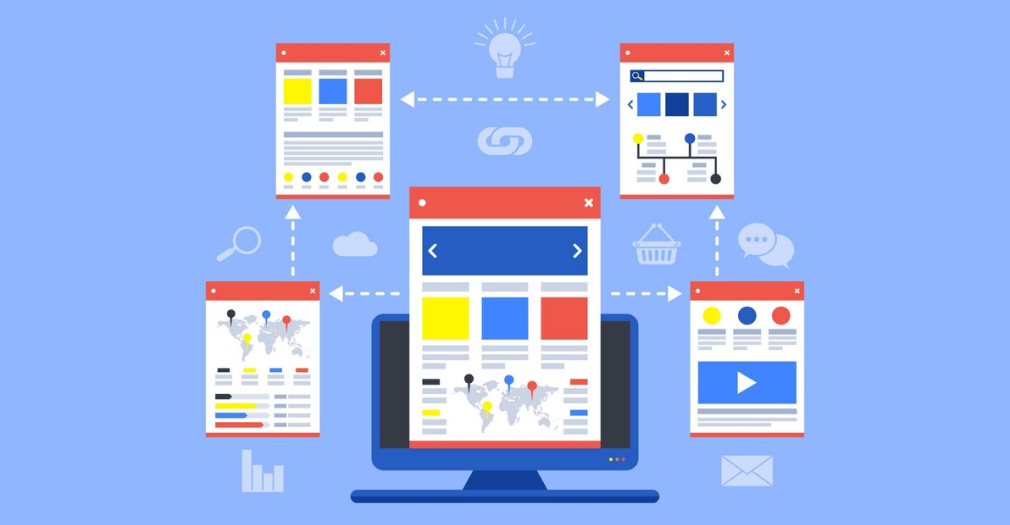
Evergreen content refers to materials that retain their relevance and value over time. Unlike trending topics that fade quickly, evergreen content consistently attracts and engages audiences. For ecommerce, this means creating content that continues to drive traffic, engage customers, and boost sales year after year.
Importance of Evergreen Content in Ecommerce
Creating evergreen content is crucial for ecommerce businesses. It helps in building a strong foundation for your brand’s online presence. This content not only increases your website’s search engine ranking but also establishes your brand as an authority in your industry.
Moreover, evergreen content supports your SEO efforts by consistently driving organic traffic to your site. This is especially important for small businesses looking to compete with larger brands. For more information on improving your ecommerce SEO strategies, check out this detailed guide.
How to Create Evergreen Content for Ecommerce
1. Identify Timeless Topics
The first step in creating evergreen content is identifying topics that are always relevant to your audience. Consider topics that address common customer questions or provide lasting value. For instance, guides on product maintenance or usage, industry best practices, and timeless trends can be excellent choices.
2. Conduct Thorough Keyword Research
Keyword research is essential in ensuring your evergreen content reaches the right audience. Use tools like Google Keyword Planner to find relevant keywords with high search volumes and low competition. Incorporate these keywords naturally into your content to improve its visibility.
3. Focus on Quality and Depth
Your evergreen content should be comprehensive and informative. Aim to provide in-depth insights and actionable tips that your audience will find valuable. High-quality content is more likely to be shared, bookmarked, and revisited, increasing its longevity.
4. Optimize for SEO
SEO optimization is crucial for maximizing the reach of your evergreen content. Use relevant keywords in your headings, subheadings, and throughout the text. Additionally, ensure your content is easy to read, mobile-friendly, and includes internal links to other valuable resources on your site.
5. Update Regularly
While evergreen content is designed to last, it is important to update it periodically. Make sure the information is current and relevant by refreshing statistics, adding new insights, and linking to recent studies or articles. This keeps your content accurate and valuable to your audience.
The Impact of Evergreen Content on Ecommerce
1. Consistent Traffic
Evergreen content consistently attracts visitors to your site, providing a steady stream of traffic. This helps in maintaining your site’s search engine ranking and increasing brand visibility over time.
2. Enhanced Customer Engagement
By addressing common pain points and providing valuable information, evergreen content fosters better customer engagement. Engaged customers are more likely to trust your brand and make repeat purchases.
3. Improved Conversion Rates
High-quality evergreen content can improve your site’s conversion rates. By providing valuable information that guides customers through their buying journey, you increase the likelihood of conversions and customer retention.
Examples of Evergreen Content for Ecommerce
1. How-to Guides
Guides that explain how to use or maintain a product are timeless. They provide lasting value and can be used by customers at any stage of their buying journey.
2. Product Reviews
Detailed product reviews help customers make informed purchasing decisions. They are useful for potential buyers and can be updated with new information over time.
3. Industry Insights
Articles that provide insights into industry trends and best practices remain relevant as they offer guidance and expertise to your audience.
Conclusion
In the fast-paced world of ecommerce, creating evergreen content is a strategic move that pays off in the long run. By investing in content that remains relevant and valuable, businesses can enjoy consistent traffic, enhanced customer engagement, and improved conversion rates. Remember to identify timeless topics, conduct keyword research, and regularly update your content to maintain its relevance.
FAQ Section
What is evergreen content?
Evergreen content refers to content that remains relevant and valuable over time, consistently attracting and engaging audiences.
Why is evergreen content important for ecommerce?
It helps in building a strong online presence, improving SEO efforts, and establishing brand authority, especially for small businesses.
How can I create evergreen content for ecommerce?
Identify timeless topics, conduct thorough keyword research, focus on quality and depth, optimize for SEO, and update regularly.

30, Jun 2025
Blog Engagement Strategies: Tips for Boosting Interaction
In the digital age, maintaining a blog is not just about publishing content. It’s about ensuring that your audience is engaged and interacting with your posts. For small businesses, implementing effective blog engagement strategies can significantly enhance your online presence and drive growth. In this article, we will explore various techniques to boost interaction and keep your readers coming back for more.

Understanding Your Audience
Before diving into specific strategies, it’s crucial to understand who your audience is. Knowing their preferences, interests, and behaviors can help tailor your content to meet their needs. Utilize analytics tools to gather insights and adjust your blog engagement strategies accordingly.
Identifying Audience Demographics
Gather data on the age, gender, location, and interests of your readers. This information can guide your content creation process, ensuring that your blog resonates with the audience.
Analyzing Reader Behavior
Use analytics to monitor which posts receive the most views and interactions. Understanding what works and what doesn’t can help refine your strategy and improve engagement.
Creating Compelling Content
High-quality content is the cornerstone of any successful blog. Ensuring that your posts are informative, engaging, and well-written can make a significant difference in audience interaction.
Writing Attention-Grabbing Headlines
Headlines are the first thing readers see, so make them count. Use strong, action-oriented words and keep them concise to grab attention.
Incorporating Visuals
Images, videos, and infographics can enhance your content and make it more appealing. They break up the text and provide an additional way to convey information.
Encouraging Reader Interaction
Engagement is a two-way street. Encouraging your readers to interact with your blog can foster a sense of community and boost loyalty.
Prompting Comments and Feedback
End your posts with a question or call-to-action that encourages readers to leave comments. Responding to comments can further engage your audience.
Utilizing Social Media
Promote your blog on social media platforms to reach a wider audience. Share your content and invite followers to engage with it.
Optimizing for SEO
Search engine optimization is vital for increasing your blog’s visibility. By optimizing your posts, you can attract more readers and enhance engagement.
Using Keywords Strategically
Incorporate relevant keywords naturally within your content to improve search rankings. However, avoid keyword stuffing, as it can harm your blog’s credibility.
Enhancing Load Speed
A slow-loading blog can deter readers. Optimize images and reduce unnecessary plugins to improve your site’s performance.
Monitoring and Adjusting Strategies
Regularly reviewing your blog engagement strategies is essential for continuous improvement. Use analytics to assess what’s working and make necessary adjustments to enhance engagement.
Tracking Engagement Metrics
Monitor metrics such as page views, time spent on site, and bounce rates to gauge your blog’s performance.
Adapting to Trends
Stay updated with the latest trends in blogging and digital marketing. Implementing new strategies can keep your blog fresh and relevant.
Internal and External Resources
For further insights, explore resources like Content Marketing and Content Planning for more detailed strategies on enhancing engagement. Additionally, check out this guide on content marketing to understand its benefits.
Conclusion
Implementing effective blog engagement strategies is crucial for small businesses looking to grow their online presence. By understanding your audience, creating compelling content, and encouraging interaction, you can boost engagement and build a loyal readership. Remember to continuously monitor your strategies and adapt to new trends to keep your blog thriving.

FAQs
What are some quick tips for engaging blog content?
Focus on creating high-quality, relevant content with strong headlines and visuals. Encourage interaction through comments and social media.
How can I increase my blog’s visibility?
Optimize for SEO by using relevant keywords and improving load speed. Promote your blog on social media platforms.
Why is audience understanding important?
Knowing your audience helps tailor your content to their interests, increasing the likelihood of engagement and building a loyal readership.
30, Jun 2025
How to Leverage Maps for SEO to Boost Local Visibility?
In today’s digital world, understanding how to leverage maps for SEO can significantly enhance your business’s online presence. Especially for small businesses, effectively using maps can lead to increased visibility and customer engagement. This article explores the importance of maps in SEO and provides actionable insights on utilizing this tool.

Why Maps are Crucial for SEO
With the rise of mobile searches, maps have become an integral part of local SEO. They help businesses appear in local searches, which are increasingly popular among users looking for nearby services. By knowing how to leverage maps for SEO, businesses can attract more local customers.
Understanding Local Search Intent
Local search intent is when users search for services or products near their location. Utilizing maps helps businesses align with this intent, ensuring they appear in relevant searches. This can be a game-changer for small businesses aiming to capture local market share.
Setting Up Your Business on Google Maps
One of the first steps in using maps for SEO is to get your business listed on Google Maps. This involves creating a detailed Google My Business profile, which includes your address, phone number, and business hours. For more tips, visit profile optimization tips.
Optimizing Your Business Profile
Ensure your business profile is fully optimized. This means including accurate information and relevant keywords. An optimized profile increases your business’s chances of appearing in local searches, thereby driving more traffic to your website.
Incorporating Keywords Strategically
Keywords play a vital role in SEO. For map-based SEO, using local keywords naturally within your content and business description can improve your search rankings. Learn more about using keywords effectively in authority building.
Long-Tail Keywords
Long-tail keywords are more specific search phrases that users are likely to use when they are closer to making a purchase. Incorporating these into your map and business listings can further enhance your SEO strategy.
Harnessing Customer Reviews
Customer reviews are crucial for building trust and credibility. Positive reviews can significantly enhance your business’s visibility on maps. Encourage satisfied customers to leave reviews to bolster your business’s online reputation.
Responding to Reviews
Responding to reviews, both positive and negative, shows that you value customer feedback. This engagement can improve your business’s image and encourage more users to choose your services.
Utilizing Analytics for Improvement
Analyzing how users interact with your business on maps can provide valuable insights. Tools like Google Analytics offer data on user behavior, which can be used to refine your SEO strategy. Discover more about analytics in local analytics.
Tracking Key Metrics
Key metrics such as click-through rates and user engagement can indicate how well your business is performing on maps. Regularly tracking these metrics helps identify areas for improvement.
Common SEO Mistakes to Avoid
While leveraging maps for SEO, avoid common mistakes such as inconsistent business information and neglecting customer reviews. For detailed insights, refer to SEO mistakes to avoid.
Maintaining Consistency
Ensure that your business information is consistent across all platforms. Inconsistencies can lead to confusion and negatively impact your search rankings.
Integrating Social Media with Maps
Social media platforms can complement your map-based SEO efforts. By integrating social media with your maps strategy, you can reach a wider audience and enhance your business’s online presence.
Engaging with Your Audience
Engage with your audience through social media to drive more traffic to your business listings on maps. This can lead to increased visibility and customer engagement.
Staying Updated with SEO Trends
The SEO landscape is constantly evolving. Staying updated with the latest trends ensures your strategy remains effective. For ongoing updates, explore SEO metrics.
Adapting to Changes
Adapt to changes in SEO trends by regularly updating your strategy. This proactive approach keeps your business ahead of the competition.
Conclusion
Understanding how to leverage maps for SEO is crucial for small businesses aiming to enhance their local visibility. By optimizing your business listings, incorporating keywords, and utilizing customer reviews, you can significantly boost your online presence. For more insights on managing SEO, check out SEO campaigns.

FAQs
What are the benefits of using maps for SEO?
Using maps for SEO helps increase local visibility, attract more customers, and improve search rankings.
How can I optimize my business profile on maps?
Ensure all information is accurate and includes relevant keywords. Encourage customer reviews to enhance credibility.
Why is local SEO important for small businesses?
Local SEO helps small businesses reach potential customers in their area, leading to increased foot traffic and sales.
30, Jun 2025
External Links for Ecommerce Success: A Guide
In the digital realm of ecommerce, understanding the significance of external links for ecommerce is crucial for achieving online success. These links play a vital role in enhancing your website’s visibility and credibility, ultimately driving more traffic and potential customers to your online store. In this article, we will delve into the world of external links and explore how they can benefit your ecommerce business.

What Are External Links?
External links, also known as outbound links, are hyperlinks that direct users from your website to another site. These links are essential in establishing your site’s credibility and authority in the vast world of the internet. When other reputable websites link to your ecommerce store, it signals to search engines that your site is trustworthy and valuable, potentially boosting your search engine rankings.
Why Are External Links Important for Ecommerce?
External links are a fundamental component of SEO strategies for ecommerce businesses. They help search engines understand the relevance and authority of your website. By acquiring high-quality external links, you can improve your site’s domain authority, which directly impacts your search engine rankings. This, in turn, leads to increased organic traffic and potential customers.
Building Trust and Authority
One of the primary benefits of external links is the trust and authority they bring to your ecommerce site. When reputable websites link to your content, it serves as a vote of confidence in your brand. This trust can translate into higher conversion rates and customer loyalty.
Enhancing User Experience
External links also contribute to a better user experience by providing valuable resources and information. When users encounter relevant and informative links on your site, they are more likely to stay engaged and explore your offerings further.
Strategies for Acquiring External Links
Now that we understand the importance of external links, let’s explore some effective strategies for acquiring them.
1. Create High-Quality Content
The foundation of any successful link-building strategy is high-quality content. By producing valuable and shareable content, you increase the likelihood of other websites linking to your site. Consider creating informative blog posts, infographics, and videos that address common pain points in your industry.
2. Collaborate with Influencers
Partnering with influencers in your niche can be a powerful way to acquire external links. Influencers often have a large and engaged audience, making them ideal partners for promoting your ecommerce products and services. By collaborating on content or reviews, you can gain valuable backlinks and exposure.
3. Guest Blogging
Guest blogging involves writing articles for other websites in your industry. In return, you can include a link back to your ecommerce site in the author bio or within the content. This strategy not only helps you acquire external links but also positions you as an authority in your field.
4. Reach Out for Partnerships
Building partnerships with complementary businesses can be mutually beneficial. You can exchange guest posts, share each other’s content, or collaborate on joint marketing campaigns. These partnerships can lead to valuable external links and increased brand visibility.
Common Mistakes to Avoid
While acquiring external links is essential, it’s important to avoid common mistakes that can harm your ecommerce site’s reputation.
1. Buying Links
Purchasing links from low-quality websites can result in penalties from search engines. It’s crucial to focus on organic link-building strategies that prioritize quality over quantity.
2. Ignoring Relevance
Ensure that the external links you acquire are relevant to your industry and audience. Irrelevant links can confuse users and negatively impact your site’s credibility.
3. Overlooking Anchor Text
Pay attention to the anchor text used in your external links. It should be descriptive and relevant to the linked content, as this can influence search engine rankings.
Measuring the Impact of External Links
To assess the effectiveness of your external link-building efforts, it’s essential to track and measure their impact on your ecommerce site.
1. Monitor Referral Traffic
Use analytics tools to track the amount of referral traffic generated by external links. This data can help you identify which links are driving the most traffic and conversions.
2. Analyze Domain Authority
Monitor changes in your site’s domain authority over time. An increase in domain authority indicates that your external link-building efforts are positively impacting your site’s credibility.
3. Assess Conversion Rates
Evaluate the conversion rates of visitors who arrive at your site through external links. This data can provide insights into the quality and relevance of the traffic generated by your link-building efforts.
Conclusion
In conclusion, external links for ecommerce are a vital component of any successful digital marketing strategy. By acquiring high-quality backlinks, you can enhance your site’s credibility, improve search engine rankings, and drive more traffic to your online store. Remember to focus on creating valuable content, building meaningful partnerships, and avoiding common pitfalls in your link-building journey. With dedication and strategic planning, your ecommerce business can reap the rewards of effective external link-building.
FAQs
1. What are external links, and why are they important for ecommerce?
External links are hyperlinks that direct users from one website to another. They are crucial for ecommerce because they enhance your site’s credibility, improve search engine rankings, and drive organic traffic.
2. How can I acquire high-quality external links for my ecommerce site?
You can acquire high-quality external links by creating valuable content, collaborating with influencers, guest blogging, and building partnerships with complementary businesses.
3. What common mistakes should I avoid when building external links?
Common mistakes to avoid include buying links, acquiring irrelevant links, and neglecting the importance of anchor text. Focus on organic link-building strategies that prioritize quality.
For more insights on ecommerce SEO, visit this comprehensive resource.
Learn about SEO URLs for ecommerce and how to enhance your online store’s visibility.
Explore tips on mobile SEO to improve your ecommerce site’s performance on mobile devices.

29, Jun 2025
Url Structure for Ecommerce: A Guide to Success
In the digital landscape, the importance of url structure for ecommerce cannot be overstated. As a small business owner venturing into the ecommerce realm, crafting an effective URL structure is crucial. It not only impacts your site’s SEO but also enhances user experience, aiding in smoother navigation and better visibility. In this comprehensive guide, we delve into the essentials of creating an optimal ecommerce URL structure that caters to both search engines and customers alike.
Understanding the Basics of URL Structure
Before we dive into the specifics, let’s understand what a URL structure is. A URL, or Uniform Resource Locator, is essentially the address of a web page. A well-structured URL is clean, descriptive, and easy to read, providing both users and search engines clear information about the page’s content.
Why URL Structure Matters in Ecommerce
For ecommerce platforms, a solid URL structure is vital for several reasons:
- SEO Benefits: Search engines use URLs to understand the hierarchy of your website and the context of your pages.
- User Experience: Clean and descriptive URLs improve navigation and trust, which can lead to higher conversion rates.
- Link Sharing: Easy-to-read URLs are more likely to be shared by users, increasing your site’s visibility.
Elements of an SEO-Friendly URL Structure
Crafting an SEO-friendly URL involves several components:
Keep it Simple and Descriptive
Use clear, relevant keywords in your URLs to describe the content of the page accurately. Avoid using unnecessary characters or complex codes that can confuse users and search engines.
Use Hyphens to Separate Words
Hyphens improve readability in URLs. For instance, use www.example.com/blue-widgets instead of www.example.com/blue_widgets or www.example.com/bluewidgets.
Maintain a Consistent Structure
Consistency is key in URL structures. Follow a standard format across your site to maintain uniformity, making it easier for users and search engines to navigate.
Best Practices for Ecommerce URL Structure
Include Keywords Naturally
Incorporate primary keywords naturally into your URLs to improve SEO performance. However, ensure that the inclusion of keywords does not compromise the readability of the URL.
Avoid Dynamic Parameters
Dynamic URLs with excessive parameters are often difficult to read and can be less effective for SEO. Whenever possible, use static URLs that are clean and descriptive.
Use HTTPS Protocol
Security is paramount for ecommerce websites. Ensure that all URLs use the HTTPS protocol to protect user data and enhance trust.
Case Study: Successful URL Structures in Ecommerce
Examining successful ecommerce sites can provide valuable insights into effective URL structures. For instance, companies like Amazon and eBay have URLs that are succinct and descriptive, guiding users effortlessly to their desired products.
Common Mistakes to Avoid
Many ecommerce sites make mistakes that can be easily avoided:
- Avoid using underscores instead of hyphens.
- Do not include irrelevant information or excessive categories.
- Ensure URLs are not too long, which can deter users and confuse search engines.
Tools to Optimize URL Structure
Various tools can assist in analyzing and optimizing your URL structure. For instance, Google’s SEO Starter Guide provides comprehensive guidelines for creating effective URLs.
How URL Structure Impacts SEO
The structure of your URLs can significantly affect your site’s search engine ranking. A well-organized URL structure helps search engines understand the hierarchy and relevance of your pages, ultimately improving your site’s visibility.
Integrating URL Structure with Ecommerce Platforms
Most ecommerce platforms, such as Shopify and Magento, offer built-in tools to optimize your URL structure. Familiarize yourself with these tools to ensure your site is fully optimized.
Improving User Experience through URL Structure
A user-friendly URL structure enhances navigation and builds trust, contributing to a positive shopping experience. This, in turn, can lead to increased customer retention and sales.
Conclusion
In conclusion, a well-crafted URL structure for ecommerce is a powerful tool for improving your website’s SEO and enhancing user experience. By following best practices and avoiding common pitfalls, you can create a URL structure that supports your business goals and drives success.

Frequently Asked Questions
What is the importance of URL structure in ecommerce?
A well-structured URL is crucial for SEO and user experience, helping search engines and users navigate your site effectively.
How can I make my URLs more SEO-friendly?
Use relevant keywords, hyphens for separation, and maintain a simple, consistent format across your site.
Should ecommerce URLs be static or dynamic?
Static URLs are preferred for ecommerce sites as they are cleaner and more readable, making them more SEO-friendly.

29, Jun 2025
Ecommerce Site Architecture for SEO: A Comprehensive Guide
Creating a robust ecommerce site architecture is crucial for the success of any online business. In a world where search engine optimization (SEO) plays a pivotal role, understanding how to structure your site to enhance visibility is essential. The architecture of your ecommerce site can significantly impact both user experience and search engine rankings.
When it comes to ecommerce site architecture for SEO, it is important to consider how your website is structured and how it communicates with search engines. A well-structured site helps search engines understand and index your content efficiently, which can improve your site’s visibility and ranking. This is particularly important for small businesses looking to compete in the crowded online marketplace.

Understanding Ecommerce Site Architecture
The term ‘ecommerce site architecture‘ refers to the way your website is organized. It includes everything from the URL structure to the hierarchy of your web pages. A logical, user-friendly architecture can enhance both user experience and SEO performance.
Why Site Architecture Matters for SEO
Good site architecture is fundamental for SEO because it helps search engines find and index your pages. A structured site allows search engines to crawl through your content more efficiently, ensuring that all your important pages are indexed. This, in turn, can lead to better rankings and increased visibility.
Key Components of Ecommerce Site Architecture
- URL Structure: A clean and descriptive URL can improve your site’s SEO. Consider using keywords in your URLs to help search engines understand the content of your pages.
- Navigation: Clear and intuitive navigation helps users find what they are looking for and assists search engines in understanding the hierarchy of your site.
- Page Hierarchy: Organize your pages in a logical manner, using categories and subcategories to make it easier for users to navigate and for search engines to crawl.
Designing an SEO-Friendly Ecommerce Site
Designing an ecommerce site with SEO in mind involves several key considerations. From the way your pages are linked to the use of keywords, every aspect of your site’s architecture should be optimized for search engines.
Optimizing URL Structures
Clean and descriptive URLs are essential for SEO. They not only help search engines understand the content of your pages but also make it easier for users to navigate your site. For more insights on creating SEO-friendly URLs, visit our detailed guide.
Importance of Internal Linking
Internal linking is a crucial aspect of ecommerce site architecture. It helps distribute page authority across your site and makes it easier for search engines to crawl your pages. By linking related pages, you can also enhance the user experience and increase engagement.
Mobile Optimization
In today’s digital age, optimizing your ecommerce site for mobile users is essential. Mobile-friendly sites not only improve user experience but also contribute to better SEO performance. Learn more about optimizing your site for mobile with our mobile SEO guide.
Implementing SEO Best Practices
Implementing best practices for ecommerce site architecture can help improve your site’s SEO performance. This includes everything from keyword research to optimizing your content for search engines.
The Role of Keywords
Keywords play a vital role in SEO. By conducting thorough keyword research, you can identify the terms and phrases your target audience is searching for. Use these keywords strategically throughout your site to improve visibility. For more information, explore our guide on using long-tail keywords effectively.
Content Optimization
Optimizing your content involves using keywords naturally within your text, ensuring your content is relevant and valuable to your audience, and using meta tags and descriptions effectively. High-quality content can significantly enhance your SEO performance.
Utilizing Ecommerce SEO Plugins
SEO plugins can be a valuable tool for optimizing your ecommerce site. They can help automate tasks, provide insights into your site’s performance, and suggest improvements. Check out our recommendations for the best SEO plugins for WordPress.
Monitoring and Improving Your SEO
Monitoring your SEO performance is crucial for identifying areas for improvement. By analyzing data and making informed decisions, you can continually optimize your site for better performance.
SEO Audits
Conducting regular SEO audits can help you identify issues and opportunities for improvement. An audit can provide insights into your site’s performance and highlight areas that need attention.
Using Analytics Tools
Analytics tools can provide valuable data about your site’s performance. By understanding how users interact with your site, you can make informed decisions to enhance your SEO strategy.
Conclusion
In conclusion, a well-structured ecommerce site architecture is crucial for the success of your online business. By optimizing your site for SEO, you can improve visibility, enhance user experience, and ultimately drive more traffic to your site. For more tips on improving your ecommerce SEO, check out this comprehensive external guide.
Frequently Asked Questions
What is the importance of site architecture in ecommerce?
Site architecture is important in ecommerce because it affects how search engines and users navigate and understand your site. A well-organized site can improve SEO and enhance user experience.
How do I optimize my ecommerce site for SEO?
To optimize your ecommerce site for SEO, focus on creating a clean URL structure, using internal links, optimizing for mobile users, and conducting keyword research.
Why should I use SEO plugins for my ecommerce site?
SEO plugins can help automate tasks, provide insights into your site’s performance, and suggest improvements, making it easier to optimize your site for search engines.


