



2, Jul 2025
SEO Considerations for B2B Ecommerce: Key Strategies for Success
In today’s digital age, understanding SEO considerations for B2B ecommerce is crucial for businesses aiming to thrive online. With an increasing number of businesses moving their operations to the digital realm, the competition is fierce. Implementing effective SEO strategies can significantly enhance your online presence, driving more traffic and potential clients to your ecommerce platform.

Understanding the Importance of SEO in B2B Ecommerce
The first step in optimizing your B2B ecommerce platform is understanding why SEO is important. Unlike B2C, where the focus is often on individual consumers, B2B ecommerce targets other businesses. This means that the sales cycle can be longer, and the decision-making process more complex. Proper SEO strategies can help influence these decisions by making your business more visible and credible.
Keyword Research for B2B Ecommerce
Identifying Relevant Keywords
Keyword research is a crucial element of SEO considerations for B2B ecommerce. Identifying the right keywords is essential for attracting the right audience. Focus on industry-specific terms and phrases that your potential clients are likely to use when searching for your products or services. Utilize tools like Google Keyword Planner and Ahrefs to uncover these keywords.
Long-Tail Keywords
Incorporating long-tail keywords is also vital. These are more specific keyword phrases that often have lower search volume but higher conversion rates. For instance, instead of targeting a broad term like ‘business software,’ you might use ‘cloud-based CRM software for small businesses.’
On-Page SEO Strategies
Optimizing Page Titles and Meta Descriptions
Each page on your ecommerce site should have a unique and descriptive title and meta description. These elements should include your primary keywords and be crafted to entice users to click through to your site.
Quality Content Creation
Content is king in the world of SEO. Regularly updating your site with high-quality, relevant content can boost your SEO rankings. Content should not only focus on your products but also provide valuable information that helps your audience make informed purchasing decisions. Consider creating a blog to address common industry questions or challenges. For more insights, visit Ecommerce Blogs.
Technical SEO for B2B Ecommerce
Site Speed and Mobile Optimization
Technical SEO elements are just as important. Ensure your website loads quickly and is optimized for mobile devices. A fast, mobile-friendly site can improve user experience and reduce bounce rates, positively impacting your SEO rankings.
Secure Website (HTTPS)
Having a secure website is crucial for both SEO and customer trust. Ensure your site is HTTPS secure. This not only helps protect data but is also a ranking factor in Google’s algorithm.
Link Building for B2B Ecommerce
Building High-Quality Backlinks
Backlinks remain a strong ranking factor in SEO. Focus on building high-quality, relevant backlinks to your site. This could involve guest blogging, partnerships, or industry directories.
Internal Linking Strategies
Implementing a strong internal linking strategy can help search engines better understand your site’s structure and content. It also helps users navigate your site more efficiently, improving overall user experience. Learn more about Organic Traffic.
Monitoring and Adjusting Your SEO Strategy
Using Analytics Tools
Regularly monitoring your SEO performance is essential. Use tools like Google Analytics and SEMrush to track your rankings, traffic, and conversions. This data can help you make informed decisions and adjust your strategy as needed.
Staying Updated with SEO Trends
The world of SEO is constantly evolving. Stay updated with the latest trends and algorithm changes to ensure your B2B ecommerce site remains optimized. Follow industry blogs and forums, and consider subscribing to Neil Patel’s blog for expert advice.
Conclusion
Implementing effective SEO considerations for B2B ecommerce can be the difference between your business thriving or merely surviving in the competitive online marketplace. By focusing on the right keywords, optimizing your site technically, and staying updated with trends, you can ensure your B2B ecommerce platform attracts and retains the right audience.

FAQs
What is the importance of SEO in B2B ecommerce?
SEO is crucial in B2B ecommerce as it helps increase visibility, credibility, and can significantly influence the decision-making process of potential business clients.
How can long-tail keywords benefit B2B ecommerce?
Long-tail keywords are more specific and generally have higher conversion rates. They help attract a targeted audience who are more likely to convert.
What tools can help in monitoring SEO performance?
Tools like Google Analytics and SEMrush are excellent for tracking your SEO performance, helping you make data-driven decisions.
- 0
- By Nicole A.


2, Jul 2025
How to Do SEO for Ecommerce Website: A Simple Guide
In the bustling arena of online retail, knowing how to do SEO for an ecommerce website is crucial for success. With the digital marketplace becoming increasingly competitive, small businesses must leverage every tool at their disposal to stand out. One of the most powerful tools is Search Engine Optimization (SEO), a strategy that can significantly enhance your website’s visibility and drive more traffic to your store.
In this comprehensive guide, we will explore the strategies and techniques essential for optimizing your ecommerce website. From understanding the basics of SEO to implementing advanced tactics, this article will help you step up your game and effectively compete in the digital world.

Understanding the Importance of SEO for Ecommerce
Before diving into the specifics of how to do SEO for an ecommerce website, it’s important to understand why SEO matters. SEO is not just about ranking higher on search engines; it’s about enhancing the user experience and providing valuable content to your audience. When done correctly, SEO can lead to increased traffic, higher conversion rates, and ultimately, more sales.
What is SEO?
SEO, or Search Engine Optimization, is the practice of optimizing your website to rank higher in search engine results pages (SERPs). This involves a variety of strategies, including keyword research, content creation, and technical optimizations. The goal is to make your website more attractive to search engines like Google, which in turn makes it easier for potential customers to find you.
Why is SEO Crucial for Ecommerce Businesses?
For ecommerce businesses, SEO is vital because it directly impacts your visibility in search results. With millions of online stores vying for attention, having a solid SEO strategy can mean the difference between being discovered by customers or getting lost in the crowd. Effective SEO can improve your site’s ranking, increase organic traffic, and enhance the overall user experience.
Key SEO Strategies for Ecommerce Websites
Now that we understand the importance of SEO, let’s delve into the specific strategies that can help optimize your ecommerce website.
1. Conducting Keyword Research
Keyword research is the foundation of any successful SEO strategy. Identifying the right keywords can help you target the phrases and terms your potential customers are searching for. Use tools like Google Keyword Planner or SEMrush to find relevant keywords with high search volume and low competition.
2. On-Page SEO Optimization
On-page SEO involves optimizing individual pages on your site to rank higher in search results. This includes optimizing meta tags, headers, and content with your target keywords. Ensure your product descriptions are unique and informative, as this can significantly impact your site’s search engine ranking.
3. Improving Site Speed and Mobile Responsiveness
A fast, mobile-friendly website is essential for both user experience and search engine rankings. Ensure your site loads quickly and is responsive on all devices. Use tools like Google PageSpeed Insights to identify areas for improvement.
4. Creating High-Quality Content
Content is king in the world of SEO. Regularly publishing high-quality, relevant content can help attract and engage your audience. Consider starting a blog to share product updates, industry news, and helpful tips related to your products or services.
5. Building Backlinks
Backlinks are links from other websites to your own. They are a crucial component of off-page SEO and can significantly impact your search engine ranking. Focus on building high-quality backlinks from reputable sites in your industry.
6. Utilizing Social Media
Social media can play a significant role in your SEO strategy. Platforms like Facebook, Instagram, and Twitter can drive traffic to your website and help build your brand’s online presence. Engage with your audience and share your content to increase visibility and attract more visitors.
Advanced SEO Techniques for Ecommerce
Once you’ve mastered the basics, consider implementing more advanced SEO techniques to further enhance your ecommerce website’s performance.
1. Implementing Schema Markup
Schema markup is a form of microdata that helps search engines understand the content on your website. Implementing schema markup can improve your site’s visibility in search results and increase click-through rates.
2. Optimizing for Voice Search
With the rise of smart speakers and voice-activated assistants, optimizing your site for voice search is becoming increasingly important. Focus on long-tail keywords and natural language phrases to capture voice search traffic.
3. Leveraging User-Generated Content
User-generated content, such as reviews and testimonials, can enhance your site’s credibility and provide valuable content for search engines. Encourage customers to leave reviews and share their experiences with your products.
4. Monitoring and Analyzing Performance
Regularly monitoring and analyzing your site’s performance is crucial for ongoing SEO success. Use tools like Google Analytics and Google Search Console to track traffic, monitor keyword rankings, and identify areas for improvement.
Conclusion
Mastering how to do SEO for an ecommerce website is an ongoing process that requires dedication and consistent effort. By implementing the strategies and techniques outlined in this guide, you can improve your site’s visibility, attract more traffic, and ultimately boost your sales. Remember, the key to successful SEO is understanding your audience and providing them with valuable, relevant content.

FAQs
1. How long does it take to see results from SEO?
SEO is a long-term strategy, and it can take several months to see significant results. However, consistent effort and optimization can lead to lasting improvements in your site’s visibility and traffic.
2. Can I do SEO for my ecommerce website myself?
Yes, many small business owners successfully manage their own SEO efforts. There are numerous resources and tools available to help you learn and implement SEO strategies.
3. How important is mobile optimization for ecommerce SEO?
Mobile optimization is crucial for ecommerce SEO. With more consumers shopping on mobile devices, having a responsive, mobile-friendly website is essential for providing a positive user experience and improving search engine rankings.
For more information and resources on how to do SEO for an ecommerce website, consider visiting WebFX and BigCommerce’s guide on ecommerce SEO.

2, Jul 2025
Web Performance and Ecommerce SEO: Boosting Online Success
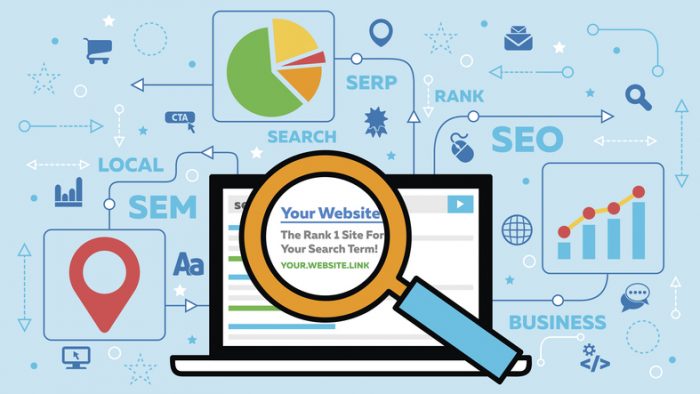
In the bustling world of ecommerce, ensuring top-notch web performance and mastering ecommerce SEO are crucial for the success of any online business. As digital marketplaces become increasingly competitive, understanding these two elements can significantly enhance your online presence and conversion rates.
Understanding Web Performance
Web performance refers to the speed and efficiency with which a website loads and operates. It is a critical factor for user experience. A fast-loading site not only keeps visitors engaged but also positively impacts your search engine rankings. Google considers page speed as one of the ranking factors, making it imperative for businesses to optimize their websites performance.
Why Speed Matters
Research shows that users expect a webpage to load in less than 3 seconds. If it doesn’t, they are likely to abandon the site, potentially leading to a loss in sales. Additionally, a slow website can harm your brand’s reputation, making it crucial to prioritize web performance optimization.
Improving Load Times
To improve load times, consider reducing image sizes, minimizing HTTP requests, and leveraging browser caching. These techniques can help enhance your site’s speed, thereby improving user experience and SEO performance.
The Role of Ecommerce SEO
Ecommerce SEO involves optimizing your online store to rank higher in search engine results pages (SERPs). This process includes keyword research, on-page optimization, and building a robust backlink profile. Effective ecommerce SEO helps drive organic traffic to your website, increasing the chances of conversions.
Keyword Research
Understanding what terms your target audience is searching for is fundamental. Tools like Google Keyword Planner can help identify relevant keywords to target, ensuring your content aligns with user intent and increases visibility.
On-Page Optimization
On-page optimization entails refining your websites content and HTML source code. This includes optimizing title tags, meta descriptions, and ensuring content is keyword-rich, relevant, and valuable to your audience. For more tips on optimizing ecommerce content, check out our SEO for ecommerce blogs.
Building Backlinks
Backlinks from reputable sites enhance your site’s authority and trustworthiness. Engaging in guest blogging and reaching out to industry influencers are effective strategies to build quality backlinks.
The Synergy Between Web Performance and SEO
The relationship between web performance and SEO is symbiotic. A fast website not only improves user experience but also enhances SEO. When search engines crawl your site efficiently, it positively impacts your rankings.
Mobile Optimization
With the rise in mobile shopping, ensuring your site is mobile-friendly is essential. Google’s mobile-first indexing means your sites mobile version is the starting point for what Google includes in their index. Ensuring fast mobile load times can significantly boost your SEO efforts.
Technical SEO Considerations
Technical aspects like XML sitemaps, robots.txt files, and structured data play a vital role in ensuring search engines can efficiently crawl and index your site. For an in-depth exploration, visit our SEO A/B testing guide.
Measuring and Monitoring Performance
Utilize tools like Google Analytics and Google Search Console to monitor your sites performance. These tools provide insights into how users interact with your site and highlight areas for improvement.

Frequently Asked Questions
What is the importance of web performance in ecommerce?
Web performance is crucial as it affects user experience and search engine rankings. A fast website can lead to higher engagement and conversion rates.
How can I improve my ecommerce SEO?
Improving ecommerce SEO involves keyword research, on-page optimization, and building quality backlinks. Regularly updating content and ensuring technical SEO is in place also helps.
Why is mobile optimization important for SEO?
Mobile optimization is vital as more consumers shop via mobile devices. Google’s mobile-first indexing means that a mobile-friendly site can improve your search engine rankings.
In conclusion, focusing on both web performance and ecommerce SEO is essential for any online business aiming to succeed in todays digital landscape. By improving these areas, businesses can enhance user experience, boost search engine rankings, and ultimately drive more sales.

2, Jul 2025
Getting started with local SEO: A Guide for Small Businesses
As a small business owner, understanding the importance of local SEO can be a game changer. ‘Getting started with local SEO’ is crucial for your business to appear in local search results, which can significantly increase your visibility and customer base. In this guide, we’ll walk you through everything you need to know about starting with local SEO.

What is Local SEO?
Local SEO refers to optimizing your online presence to attract more business from relevant local searches. These searches occur on Google and other search engines. For instance, if you own a bakery in Chicago, you want your business to appear when someone searches for ‘bakery near me’ or ‘Chicago bakery’.
Importance of Local SEO for Small Businesses
For small businesses, local SEO is especially important. It helps you compete with larger companies by targeting potential customers right in your neighborhood. By optimizing for local search, you boost your chances of appearing in Maps and localized search results, which is vital for attracting foot traffic and local clientele.
Benefits of Local SEO
- Increased online visibility in your local area
- More foot traffic to your brick-and-mortar store
- Higher conversion rates from local leads
- Enhanced trust and credibility within your community
Getting Started with Local SEO
To get started with local SEO, there are several strategies you should implement. Heres a step-by-step guide to help you begin:
1. Optimize Your Google Business Profile
Your Google Business Profile is a critical component of local SEO. Ensure that your business information is accurate and up-to-date. This includes your business name, address, phone number, and hours of operation. Add photos, respond to reviews, and post regular updates to engage with your audience.
For more tips on optimization, check out our profile optimization tips.
2. Leverage Local Keywords
Incorporate local keywords into your website content, meta tags, and descriptions. Use tools like Google’s Keyword Planner to find relevant keywords that potential customers are searching for in your area.
3. Build Local Citations
Citations are mentions of your business on other websites. Ensure your business is listed on local directories and review sites. Consistent NAP (Name, Address, Phone Number) information across all platforms is crucial for local SEO success.
4. Encourage Customer Reviews
Positive reviews can boost your local search ranking and attract more customers. Encourage satisfied customers to leave reviews on your Google Business Profile and other review platforms. Respond promptly and professionally to all reviews, whether positive or negative.
5. Use Local Link Building
Backlinks from local websites can enhance your local SEO. Partner with local businesses or sponsor community events to earn backlinks from reputable local sources.
6. Utilize Maps for SEO
Optimize your presence on Google Maps and other mapping services to ensure your business is easily found by local customers. Learn more about leveraging maps in our map SEO guide.
7. Monitor Your Local SEO Performance
Use analytics tools to track your local search performance. This data can help you identify areas for improvement and measure the success of your local SEO efforts. Discover more in our article on analytics for local SEO.
Common Local SEO Mistakes to Avoid
Many small businesses make common local SEO mistakes that can hinder their success. Avoid errors such as inconsistent NAP information, ignoring customer reviews, and neglecting mobile optimization. For a detailed list of mistakes to avoid, check out this external guide.
Local SEO and Video Marketing
Incorporating video marketing into your local SEO strategy can enhance engagement and visibility. Videos are highly shareable and can showcase your products, services, and local involvement. Learn how to integrate video marketing with local SEO in our video marketing guide.
Building Authority in Local SEO
Establishing authority in your community can significantly impact your local SEO. Engage with local organizations, participate in community events, and showcase your expertise through blog posts and social media. For more strategies, read our guide on building local authority.
Conclusion
Getting started with local SEO is a vital step for small businesses looking to increase their visibility and attract local customers. By optimizing your online presence, engaging with your community, and monitoring your performance, you can successfully improve your local search ranking.

FAQs
What is the first step in local SEO?
The first step in local SEO is optimizing your Google Business Profile. Ensure all your business information is accurate and complete.
How can I improve my local search ranking?
Improve your local search ranking by using local keywords, obtaining customer reviews, and building local backlinks.
Why is local SEO important for small businesses?
Local SEO is important for small businesses because it helps them compete with larger companies by focusing on attracting customers in their immediate area.

2, Jul 2025
Blog Writing Checklist: Crafting Engaging Content
Creating a compelling blog post requires more than just stringing words together. A well-structured blog writing checklist can be a game-changer for anyone looking to produce high-quality content that resonates with readers. In this article, we’ll delve into the essential elements of a successful blog post, ensuring that your content is both informative and engaging. Let’s explore how you can elevate your blog writing process.

Understanding Your Audience
Before penning down your first sentence, it’s crucial to understand your target audience. Ask yourself: Who are you writing for? What are their interests and challenges? Tailoring your content to meet the needs of your audience can significantly enhance engagement.
The Importance of Audience Research
Understanding your audience involves detailed research. Utilize tools like Google Analytics to gather insights into your readers’ demographics and preferences. This data will guide your content direction and ensure relevance.
Choosing the Right Topic
Once you’ve identified your audience, the next step is selecting a topic that aligns with their interests. A well-chosen topic not only attracts readers but also positions you as an authority in your niche.
Using Keyword Research
Keyword research is a pivotal part of choosing a topic. It helps you identify what your audience is searching for and tailors your content to meet those needs. Tools like SEMrush and Ahrefs can be invaluable in this stage.
Crafting an Attention-Grabbing Title
Your title is the first thing readers see, so make it count. A compelling title should be clear, concise, and contain your main keyword, such as blog writing checklist, to improve SEO.
The Power of Headlines
Headlines are critical for drawing in readers. Use powerful words, numbers, and questions to create intrigue and encourage clicks. Remember, your headline sets the expectation for the rest of the content.
Structuring Your Content
Well-structured content enhances readability and keeps readers engaged. Use headings and subheadings to break down information into manageable sections.
Using Subheadings Effectively
Subheadings serve as guideposts, helping readers navigate through your content. They should be informative and contain relevant keywords to boost SEO.
Writing Compelling Introductions
The introduction sets the tone for your entire blog post. It should be engaging and provide a clear overview of what the reader can expect.
Hooking Your Reader
Start with a hook that captures attention. A surprising fact, a question, or a bold statement can make readers want to learn more.
Developing the Main Body
The main body of your blog should deliver on the promise made in the introduction. Provide valuable information, backed by research and examples.
Ensuring Content Relevance
Every paragraph should contribute to your overall message. Avoid fluff and focus on delivering actionable insights that readers can apply.
Concluding with Impact
Your conclusion should tie everything together and provide a clear takeaway for your readers. Encourage them to take action, whether it’s commenting, sharing, or exploring further.
Call to Action
End with a strong call to action. Whether it’s subscribing to your newsletter or checking out related posts, guide your readers on what to do next.
Optimizing for SEO
SEO is crucial for increasing your blog’s visibility. Incorporate keywords naturally throughout your content, including in titles, headings, and the meta description.
Using Internal and External Links
Incorporating links enhances credibility and provides additional resources for readers. Link to relevant internal pages, such as content marketing vs digital marketing, and external authoritative sources like benefits of content marketing.
Editing and Proofreading
Even the best content can be undermined by poor grammar and spelling. Always edit and proofread your work before publishing.
Tools for Editing
Utilize tools like Grammarly to catch errors and improve readability. Consider having a peer review your work for an additional layer of scrutiny.
Visual Enhancements
Incorporating visuals like images, infographics, and videos can make your blog post more engaging and easier to digest.
Selecting the Right Images
Ensure your visuals are relevant to the content and of high quality. Use alt text to describe images, which also helps with SEO.
Publishing and Promotion
After crafting your blog post, the next step is publishing it on your platform and promoting it across various channels.
Utilizing Social Media
Social media platforms are excellent for reaching a broader audience. Share your blog posts on platforms like Facebook, Twitter, and LinkedIn to increase visibility.
Measuring Success
Finally, it’s important to measure the success of your blog posts. Use analytics tools to track performance and adjust your strategy accordingly.
Understanding Metrics
Metrics such as page views, time on page, and engagement rates can provide valuable insights into how your content is performing.

FAQs
What is the purpose of a blog writing checklist?
A blog writing checklist ensures that all crucial elements are included in your post, enhancing quality and reader engagement.
How can I improve my blog’s SEO?
Incorporate relevant keywords naturally, use internal and external links, and optimize your meta descriptions for better SEO.
What tools can help with editing and proofreading?
Tools like Grammarly and Hemingway Editor can significantly improve your editing and proofreading process.

2, Jul 2025
Structured Data Tester Ecommerce: Boost Your Online Store
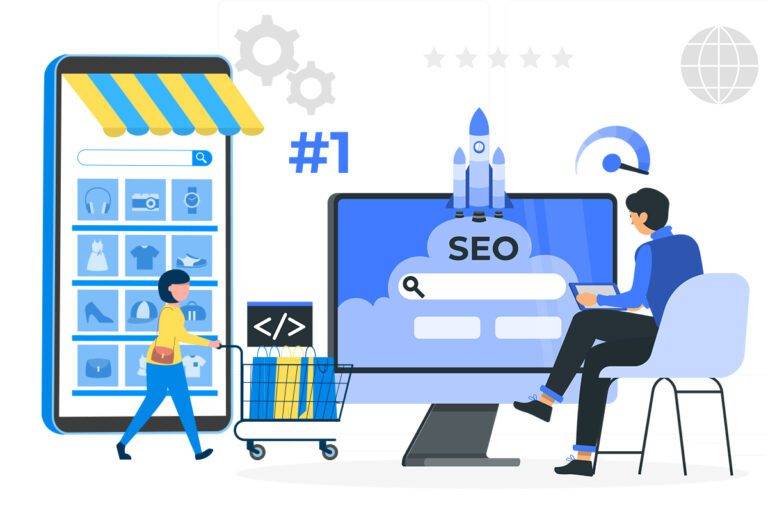
In the world of ecommerce, staying ahead of the competition means optimizing every aspect of your online store. One of the most effective ways to enhance your store’s visibility is by using structured data. But how do you ensure your structured data is correctly implemented? This is where the structured data tester ecommerce tool comes into play. This article will guide you through the importance of structured data and how to test it effectively.
Understanding Structured Data
Structured data is a standardized format for providing information about a page and classifying the page content. It helps search engines understand the information presented on a webpage. By using structured data, you can improve your site’s search engine visibility and potentially increase your click-through rate.
Why Use Structured Data?
Using structured data can significantly enhance your ecommerce site’s performance. Here’s why:
- Enhanced Search Visibility: Structured data can help your products appear in rich snippets, which are more attractive and informative than regular search results.
- Better User Experience: It provides detailed information to users before they even click on your site, improving the overall user experience.
- Increased Click-Through Rates (CTR): Rich snippets can lead to higher CTRs by making your listing more appealing in search results.
Role of a Structured Data Tester
A structured data tester is a tool that helps you validate your structured data. It checks whether the structured data markup on your site is correct and follows the recommended guidelines. This ensures that search engines can properly interpret and display your data.
Benefits of Using a Structured Data Tester
Using a tester comes with several benefits:
- Error Detection: It identifies errors in your structured data markup, allowing you to fix them before they affect your search ranking.
- Guideline Compliance: Ensures your structured data adheres to search engine guidelines, which is crucial for maintaining visibility.
- Improved SEO: By verifying your structured data, you can optimize your sites SEO, leading to better visibility and traffic.
How to Use a Structured Data Tester for Ecommerce
To effectively use a structured data tester, follow these steps:
Step 1: Identify Your Data
Begin by identifying the structured data elements necessary for your ecommerce site. Common elements include product, review, and offer data.
Step 2: Implement Markup
Implement the structured data markup using JSON-LD, Microdata, or RDFa. JSON-LD is recommended by Google for its simplicity and flexibility.
Step 3: Validate with a Tester
Use a structured data tester to validate your markup. This tool will check for errors and provide suggestions for improvements.
Common Errors in Structured Data
While implementing structured data, you may encounter some common errors:
- Invalid Syntax: Ensure your markup is correctly formatted to avoid syntax errors.
- Missing Fields: All required fields should be present for the structured data type you are using.
- Incorrect Field Values: Ensure that field values are correct and follow the recommended format.
Best Practices for Structured Data in Ecommerce
Following best practices ensures your structured data is effective:
Use Relevant Markup Types
Choose markup types that are most relevant to your products and services. For ecommerce, focus on product, review, and offer markups.
Keep Data Updated
Regularly update your structured data to reflect changes in product information, prices, and availability.
Test Regularly
Regular testing of your structured data ensures it remains error-free and compliant with guidelines.
Tools for Testing Structured Data
Several tools can help test and validate your structured data:
These tools provide detailed insights and guidelines to optimize your structured data.
Integrating Structured Data with Other SEO Strategies
Structured data should be part of a broader SEO strategy. Consider integrating it with other methods like Voice Commerce SEO and YouTube SEO for Ecommerce to maximize your store’s visibility.
Future of Structured Data in Ecommerce
The future of structured data in ecommerce looks promising with advanced technologies like AI and voice search on the rise. Keeping up with these trends can give you a competitive edge.
Conclusion
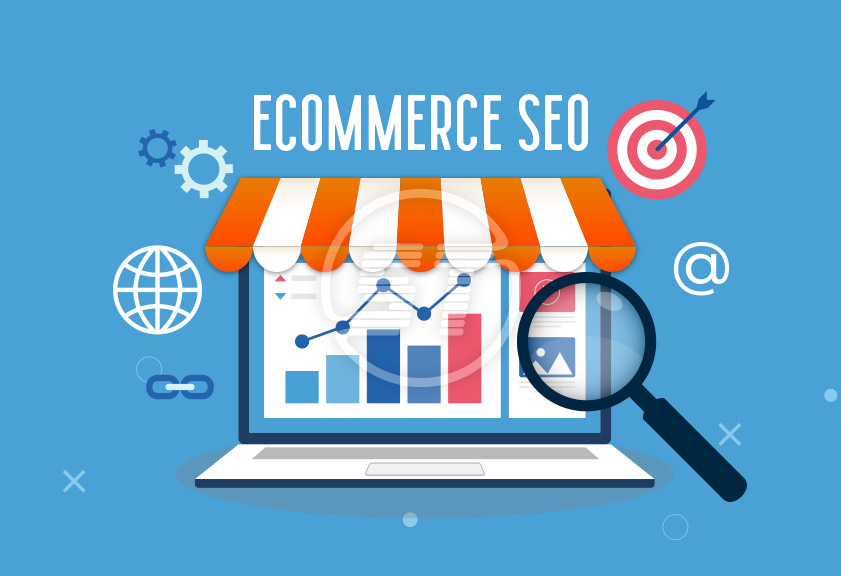
Incorporating structured data into your ecommerce strategy can significantly improve your search engine rankings and user experience. By using a structured data tester ecommerce tool, you can ensure your data is accurate and effective, ultimately driving more traffic to your online store. For more strategies to improve your ecommerce SEO, consider exploring Organic Traffic vs PPC and Linkable Assets for Ecommerce.
FAQs
What is structured data in ecommerce?
Structured data in ecommerce refers to a standardized format used to describe products, reviews, and other key elements of an online store to search engines.
How does structured data benefit ecommerce sites?
Structured data enhances search visibility, improves user experience, and increases click-through rates by providing detailed information in search results.
Which tool is best for testing structured data?
Google’s Structured Data Testing Tool is widely regarded as one of the best tools for testing and validating structured data.
1, Jul 2025
SEO Issues with E-commerce Platforms: Challenges and Solutions
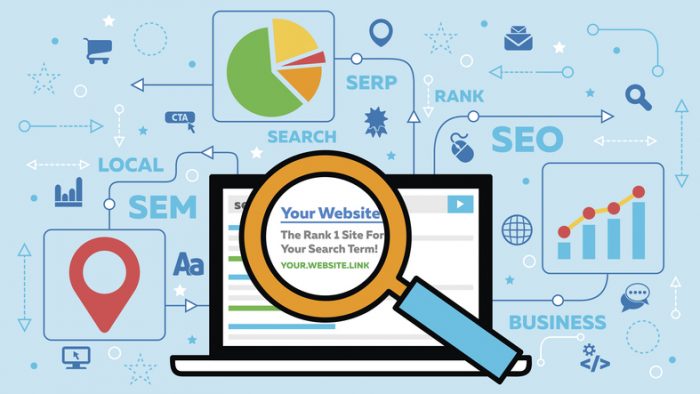
When managing an online store, understanding SEO issues with e-commerce platforms is crucial. E-commerce SEO involves optimizing product pages, categories, and content to rank higher in search engines. This can be challenging due to a variety of factors inherent in e-commerce platforms.

Understanding SEO in E-commerce
The first step is understanding what SEO means for e-commerce. It’s about ensuring that your products can be found in search engines. The main goal is to increase visibility, which leads to more traffic and sales.
Importance of SEO for E-commerce
SEO is vital for online stores because it helps drive organic traffic. Unlike paid ads, organic traffic is sustainable and cost-effective. It ensures that potential customers find your store when searching for products you offer.
Common SEO Issues
Many online businesses face SEO challenges on e-commerce platforms. These issues can hinder their online visibility and affect sales.
Duplicate Content
One major issue is duplicate content. E-commerce sites often have similar product descriptions across different pages, leading to duplication. This can confuse search engines and lower rankings.
Poor Site Structure
Another common problem is poor site structure. If a site is not well-organized, it can be difficult for search engines to crawl and index it properly. This affects how well the site ranks in search results.
Slow Page Load Speed
Page load speed is crucial. Slow-loading pages can lead to a poor user experience and high bounce rates, negatively impacting search rankings.
Addressing E-commerce SEO Challenges
Addressing these SEO issues is essential for improving e-commerce performance. Here are some strategies to consider.
Unique Product Descriptions
To combat duplicate content, create unique descriptions for each product. This not only helps with SEO but also provides a better user experience.
Optimized Site Structure
Ensure your site structure is logical and easy to navigate. Use clear categories and subcategories to help both users and search engines understand your content.
Improve Page Speed
Improve page load speed by optimizing images, using a content delivery network (CDN), and minimizing code. Faster pages lead to better rankings and user experiences.
Technical SEO Considerations
Technical SEO is a vital component of optimizing e-commerce platforms. It involves ensuring that your website’s infrastructure is conducive to search engine crawling and indexing.
Mobile Optimization
With increasing mobile users, ensure your e-commerce site is mobile-friendly. A responsive design can improve user experience and search rankings.
Secure Website
Having a secure website (HTTPS) is important for user trust and SEO. Google prioritizes secure sites, so make sure your platform is updated with an SSL certificate.
Utilizing SEO Tools
Several SEO tools can help identify and fix issues on your e-commerce platform. Tools like Google Analytics and SEMrush provide insights into site performance and areas for improvement.
Google Analytics
Use Google Analytics to track traffic sources, user behavior, and conversion rates. This data can guide your SEO strategy.
SEMrush
SEMrush is another valuable tool for analyzing competitors and finding keywords to target. It offers comprehensive insights to improve your strategy.
Content Marketing for E-commerce
Content marketing is an effective way to enhance SEO for e-commerce platforms. It involves creating valuable content that attracts and engages your audience.
Blog Posts
Writing blog posts related to your products can drive traffic and improve SEO. For example, if you sell outdoor gear, writing about hiking tips can attract potential customers.
Product Guides
Create product guides that educate customers about your offerings. These can improve user experience and provide valuable information that enhances SEO.
Link Building Strategies
Link building is another critical aspect of e-commerce SEO. It involves obtaining backlinks from other reputable sites, which can help improve your store’s authority and rankings.
Partner with Influencers
Partnering with influencers in your industry can lead to valuable backlinks. Influencers can review your products and link to your site, boosting your SEO.
Guest Blogging
Write guest posts for other blogs in your niche. This can help you gain exposure and build backlinks to your e-commerce site.
Local SEO for E-commerce
For businesses with physical locations, local SEO is important. It ensures that local customers can find your store when searching online.
Google My Business
Create a Google My Business listing to improve local visibility. Ensure your business information is accurate and up-to-date.
Local Keywords
Incorporate local keywords into your content and metadata. This can improve your rankings for location-based searches.
Future Trends in E-commerce SEO
The world of SEO is constantly evolving. Staying ahead of trends is key to maintaining a competitive edge in e-commerce.
Voice Search Optimization
With the rise of voice-activated devices, optimizing for voice search is becoming essential. Focus on natural language and long-tail keywords.
AI and Machine Learning
AI and machine learning are influencing SEO strategies. These technologies can help analyze data and predict trends, enabling more effective optimization.
Conclusion
Addressing SEO issues with e-commerce platforms is vital for success in the digital marketplace. By understanding common challenges and implementing effective solutions, businesses can improve their online visibility and drive more sales.

Frequently Asked Questions
What are common SEO issues in e-commerce?
Common issues include duplicate content, poor site structure, and slow page load speed.
How can I improve my e-commerce site’s SEO?
Focus on unique product descriptions, optimize site structure, and improve page load speed. Utilize SEO tools for insights and improvements.
Why is local SEO important for e-commerce?
Local SEO helps businesses with physical locations attract local customers through online searches. It’s crucial for improving visibility in specific geographic areas.
For more information on improving your e-commerce SEO strategy, check out this guide from Google Developers.
Additionally, explore strategies for increasing organic traffic to your e-commerce store.

1, Jul 2025
How to Audit Ecommerce SEO for Optimal Store Performance
In today’s digital landscape, understanding how to audit ecommerce SEO is crucial for businesses aiming to excel online. Conducting a thorough SEO audit can significantly enhance your ecommerce store’s visibility and performance. In this guide, we will dive into the essential steps and strategies for auditing your ecommerce SEO, ensuring your store remains competitive and successful.

Understanding the Importance of SEO Audits
An SEO audit is a comprehensive evaluation of your website’s search engine friendliness. It helps identify any issues that might be hindering your site’s performance. Regular audits are vital as they ensure your ecommerce site is optimized for search engines, which can lead to increased traffic, better user experience, and higher conversion rates.
Setting Clear Objectives for Your SEO Audit
Before starting your audit, it’s essential to set clear objectives. Determine what you aim to achieve, whether it’s improving your site’s ranking, increasing organic traffic, or enhancing user experience. Having specific goals will guide your audit process and ensure you focus on the most critical areas.
Analyzing Your Website’s Structure
A well-structured website is easier for search engines to crawl and index. Evaluate your site’s architecture, ensuring it’s logical and user-friendly. Check that your URLs are clean and descriptive, and that your site uses a clear hierarchy with appropriate header tags like H1, H2, and H3.
Reviewing Site Navigation and Internal Linking
Effective site navigation and internal linking not only improve user experience but also help search engines understand your site’s structure. Ensure your menus are intuitive and that important pages are easily accessible. Use internal links strategically to guide users and distribute link equity across your site. For more on this, you can explore linkable assets.
Evaluating On-Page SEO Elements
On-page SEO involves optimizing individual pages to rank higher in search engines. Key components include:
Title Tags and Meta Descriptions
Ensure your title tags and meta descriptions are unique, compelling, and include relevant keywords. These elements are crucial as they represent your page in search engine results.
Header Tags
Use header tags (H1, H2, H3) to structure your content. This not only improves readability but also helps search engines understand the hierarchy of your content.
Image Optimization
Optimize images by using descriptive file names and alt tags. This improves accessibility and helps search engines understand the content of your images.
Assessing Technical SEO Aspects
Technical SEO focuses on your site’s backend structure. Key areas to audit include:
Site Speed
A fast-loading site provides a better user experience and is favored by search engines. Use tools like Google’s PageSpeed Insights to assess and improve your site’s speed.
Mobile-Friendliness
With mobile usage on the rise, it’s crucial your site is mobile-friendly. Ensure your site uses a responsive design that adapts to different screen sizes.
Secure Connection (HTTPS)
Security is a top priority for both users and search engines. Ensure your site uses HTTPS to protect user data and improve trustworthiness.
Analyzing Off-Page SEO Factors
Off-page SEO involves activities outside your website that impact your rankings. Key components include:
Backlink Profile
Backlinks are a significant ranking factor. Analyze your backlink profile to ensure your links are from reputable sources. Disavow any toxic links that may harm your site’s reputation.
Brand Mentions
Monitor brand mentions across the web. Engaging with mentions can improve your brand’s visibility and reputation.
Utilizing SEO Tools for Auditing
Various SEO tools can aid in your audit process. Tools like Google Analytics, Ahrefs, and SEMrush provide valuable insights into your site’s performance and areas for improvement. For more insights, visit SEMrush’s ecommerce SEO guide.
Implementing and Monitoring Changes
Once you’ve identified areas for improvement, implement changes strategically. Prioritize critical issues and monitor the impact of your changes. Regular monitoring ensures your site continues to perform well and adapts to any changes in search engine algorithms.

FAQs
What is an ecommerce SEO audit?
An ecommerce SEO audit is a thorough evaluation of your online store to ensure it is optimized for search engines. It helps identify areas for improvement to boost rankings and visibility.
How often should I conduct an SEO audit?
It’s advisable to conduct an SEO audit at least twice a year. Regular audits help keep your site up-to-date with the latest SEO best practices.
Can I perform an SEO audit myself?
Yes, with the right tools and knowledge, you can perform an SEO audit yourself. However, hiring an SEO expert can provide a more in-depth analysis and tailored recommendations.
In conclusion, understanding how to audit ecommerce SEO is essential for maintaining and improving your online store’s performance. By following the steps outlined in this guide, you can ensure your ecommerce site remains optimized and competitive in the ever-evolving digital landscape.

1, Jul 2025
Content Marketing for B2B: Strategies and Insights
In the ever-evolving world of business, content marketing for B2B stands out as a crucial strategy for success. As companies strive to connect with other businesses, the role of content marketing becomes increasingly significant. This article aims to provide a comprehensive guide on how B2B businesses can effectively leverage content marketing to achieve their goals.

Understanding the Basics of B2B Content Marketing
At its core, content marketing for B2B involves creating and distributing valuable, relevant, and consistent content to attract and retain a clearly defined audience. Unlike B2C, where the focus is on individual consumers, B2B content marketing targets businesses, aiming to build long-term relationships and drive profitable customer action.
The Importance of B2B Content Marketing
B2B content marketing is essential for several reasons. Firstly, it helps establish authority and credibility within an industry. By consistently providing insightful and helpful content, businesses can position themselves as thought leaders. Secondly, it enhances brand visibility, ensuring that a business remains top-of-mind when potential partners or clients are ready to make a decision. Lastly, effective content marketing can significantly boost lead generation and conversion rates.
Key Components of a Successful B2B Content Strategy
Developing a robust content marketing for B2B strategy involves several key components:
- Identify Your Target Audience: Understanding who your ideal clients are is crucial. This involves creating detailed buyer personas that outline their challenges, needs, and preferences.
- Create High-Quality Content: The content should address the specific pain points of your target audience. Whether it’s blog posts, whitepapers, or webinars, the focus should be on delivering value.
- Utilize Multiple Channels: To reach a broader audience, it’s important to distribute content across various platforms. This can include social media, email newsletters, and industry-specific forums.
- Measure and Analyze Performance: Regularly tracking content performance helps in understanding what works and what doesn’t, allowing for continuous improvement. Check out this guide on how to track content performance.
Creating Engaging B2B Content: Tips and Tricks
Creating content that resonates with a B2B audience requires a strategic approach. Here are some tips:
Focus on Educational Content
B2B audiences appreciate content that educates and informs. This can include how-to guides, case studies, and industry reports. The goal is to provide actionable insights that can help businesses overcome their challenges.
Leverage Data and Research
Backing your content with data and research adds credibility. Use statistics, case studies, and expert opinions to support your claims and provide a solid foundation for your arguments.
Tailor Content for Different Stages of the Buyer Journey
Not all content will appeal to every stage of the buyer journey. Create content that addresses the specific needs of prospects at different stages, from awareness to consideration to decision.
Effective B2B Content Distribution Strategies
Once your content is created, the next step is distribution. A well-planned distribution strategy ensures your content reaches the right audience. Here are some strategies to consider:
Utilize Social Media Platforms
While LinkedIn is a popular platform for B2B marketing, don’t overlook other platforms like Twitter and Facebook. They can also be effective for sharing content and engaging with your audience.
Email Marketing
Email remains a powerful tool for content distribution. Regular newsletters and targeted email campaigns can help keep your audience engaged and informed.
Collaborate with Industry Influencers
Partnering with industry influencers can amplify your content’s reach. Influencers can share your content with their audience, providing an opportunity to tap into new networks. Learn more about influencer collaboration.
Measuring the Success of Your B2B Content Marketing
Measuring the impact of your content marketing efforts is crucial for refining your strategy. Key metrics to consider include:
Website Traffic and Engagement
Analyze the amount of traffic your content generates and how visitors engage with it. Metrics like page views, time spent on page, and bounce rate provide valuable insights.
Lead Generation and Conversion Rates
Track the number of leads generated through your content and the conversion rates of those leads. This helps in assessing the effectiveness of your content in driving business results.
Brand Awareness and Reach
Evaluate how your content contributes to brand awareness and reach. Social media shares, mentions, and backlinks are indicators of your content’s impact in the digital landscape.
Common Challenges in B2B Content Marketing
While content marketing for B2B offers numerous benefits, it also comes with its set of challenges. These include:
Long Sales Cycles
B2B sales cycles are often lengthy, requiring a sustained content marketing effort to nurture leads over time.
Complex Decision-Making Processes
In B2B, decision-making often involves multiple stakeholders, making it essential to create content that addresses the concerns of different decision-makers.
Limited Resources
Many B2B companies face resource constraints, making it challenging to produce high-quality content consistently. Learn how to overcome this with effective content automation strategies.
Future Trends in B2B Content Marketing
As the digital landscape continues to evolve, so too will B2B content marketing. Here are some trends to watch:
Personalization and AI
Personalized content experiences powered by AI will become increasingly prevalent, allowing businesses to deliver tailored content to specific audience segments.
Interactive Content
Interactive content, such as quizzes, polls, and assessments, will gain popularity as a way to engage audiences and gather valuable data.
Video Content
Video content will continue to dominate, with businesses leveraging platforms like YouTube and Vimeo to share engaging and informative content.
Conclusion
Content marketing for B2B is a powerful tool for building relationships, generating leads, and driving business growth. By understanding the unique dynamics of B2B marketing and implementing effective strategies, businesses can harness the full potential of content marketing to achieve their goals.

FAQs
What is the primary goal of B2B content marketing?
The primary goal of B2B content marketing is to build long-term relationships with other businesses, establish credibility, and drive profitable customer action.
Why is content marketing important for B2B businesses?
Content marketing is important for B2B businesses as it helps in establishing authority, enhancing brand visibility, and boosting lead generation and conversion rates.
How can B2B companies measure the success of their content marketing efforts?
B2B companies can measure the success of their content marketing efforts by analyzing metrics such as website traffic, lead generation, conversion rates, and brand awareness.
For further insights on content marketing for B2B, you can visit this external resource.
1, Jul 2025
SEO for Digital Product Stores: Boost Your Online Presence
In today’s digital age, having a strong online presence is crucial for any business. For those running digital product stores, mastering SEO for digital product stores is of paramount importance. This ensures your products reach the right audience and helps you stand out in a competitive market. Whether you’re selling software, ebooks, or any other form of digital content, optimizing your store for search engines is essential for success.

What is SEO for Digital Product Stores?
When we talk about SEO for digital product stores, we’re referring to the process of enhancing your online store’s visibility on search engine results pages (SERPs). This involves a series of strategies and techniques designed to improve your site’s ranking, thereby driving more traffic and increasing sales. Unlike physical products, digital products have unique characteristics which require specialized SEO strategies.
Understanding the Basics of SEO
Before diving into strategies specific to digital products, it’s important to grasp the basics of SEO. At its core, SEO involves optimizing various elements of your website to align with search engine algorithms. This includes on-page elements like keywords and meta tags, as well as off-page factors such as backlinks and social media presence.
Why SEO Matters for Digital Products
Digital products are intangible, and customers rely heavily on search engines to find products that meet their needs. Effective SEO for digital product stores ensures that your offerings appear prominently when potential customers search for related terms. This visibility is crucial for driving sales and building brand awareness in a crowded marketplace.
Key Strategies for Optimizing Your Digital Product Store
Keyword Research and Optimization
Keywords are the foundation of any successful SEO campaign. For digital product stores, identifying the right keywords involves understanding what terms potential customers are using to search for products like yours. Utilize tools like Google Keyword Planner to discover high-volume, low-competition keywords that can give you an edge.
On-Page SEO Techniques
On-page SEO focuses on optimizing individual pages to rank higher. This includes crafting compelling meta descriptions, using header tags effectively, and ensuring your content is keyword-rich without being spammy. Additionally, make sure your site’s design is user-friendly and mobile-responsive, as these factors also influence rankings. For more insights on on-page strategies, check out this guide to on-page SEO.
Content Marketing and Link Building
Creating high-quality, informative content is essential for attracting and retaining customers. Blog posts, tutorials, and videos can all serve as valuable resources for your audience. Furthermore, building links to your site from reputable sources can significantly enhance your SEO efforts. Consider guest blogging or collaborating with influencers to expand your reach.
Technical SEO Considerations
Site Speed and Performance
In the world of digital commerce, every second counts. Slow-loading sites can deter potential customers and negatively impact your rankings. Ensure your site loads quickly by optimizing images, leveraging browser caching, and utilizing content delivery networks (CDNs).
Mobile Optimization
With an increasing number of consumers using mobile devices to shop online, having a mobile-friendly site is critical. Implement responsive design to ensure your site looks and functions well on all devices. This not only improves user experience but also boosts your SEO performance.
Security and HTTPS
Security is a top priority for both customers and search engines. Implementing HTTPS encrypts data exchanged between your site and users, providing a secure shopping experience. Moreover, Google considers HTTPS a ranking factor, making it a must-have for any digital product store.
Leveraging Analytics and Testing
Using Analytics to Inform Decisions
Analytics tools like Google Analytics provide invaluable insights into your site’s performance. By tracking metrics like page views, bounce rates, and conversion rates, you can identify areas for improvement and make data-driven decisions to enhance your SEO strategy.
A/B Testing for Optimization
A/B testing involves comparing two versions of a webpage to determine which one performs better. This technique can be used to optimize various elements of your site, from call-to-action buttons to product descriptions. Regular testing and iteration are key to maintaining a competitive edge. For more information on A/B testing, visit this SEO A/B testing guide.
Common Challenges in SEO for Digital Products
Overcoming Competition
The digital marketplace is highly competitive, with countless stores vying for consumer attention. To stand out, focus on offering unique products, exceptional customer service, and a seamless shopping experience.
Adapting to Algorithm Changes
Search engine algorithms are constantly evolving, and staying up-to-date with these changes is crucial. Regularly review your SEO strategy and be prepared to adapt as new trends and updates emerge. Check out this voice commerce SEO resource for insights into emerging trends.
Conclusion
Mastering SEO for digital product stores is an ongoing process that requires dedication and adaptability. By implementing the strategies outlined in this article, you can enhance your store’s visibility, attract more customers, and ultimately drive sales. Remember, the digital landscape is ever-changing, and staying informed is key to long-term success.

FAQs
What are the best tools for SEO analysis?
There are several tools available to help with SEO analysis, including Google Analytics, SEMrush, and Moz. These tools provide insights into your site’s performance and suggest areas for improvement.
How often should I update my SEO strategy?
It’s recommended to review and update your SEO strategy at least quarterly. This allows you to stay current with algorithm changes and adapt to shifts in consumer behavior.
Can I do SEO for my digital store myself?
While it’s possible to manage your own SEO efforts, working with an experienced professional can provide valuable expertise and save you time. Consider hiring an SEO specialist if you’re looking to maximize your results.


