


7, Jul 2025
SSL Certificate and Ecommerce SEO: Why They Matter
In the fast-paced world of online shopping, ensuring your website is secure is crucial. An SSL certificate plays a vital role in safeguarding customer data and establishing trust. Alongside this, having a robust ecommerce SEO strategy is essential for driving traffic and increasing sales. This article explores the significance of both elements in creating a successful online store.
Understanding SSL Certificates
An SSL certificate is a digital certificate that authenticates a website’s identity and enables an encrypted connection. It ensures that data passed between the web server and browsers remain private and integral. For ecommerce websites, this is particularly important as they handle sensitive customer information such as credit card details.
Why SSL Certificates are Essential for Ecommerce
Without an SSL certificate, customers are at risk of data breaches, which can lead to a loss of trust and potential sales. Browsers label sites without SSL as ‘Not Secure,’ deterring potential customers. Therefore, having an SSL certificate is not just about security but also about enhancing customer confidence.
Importance of Ecommerce SEO
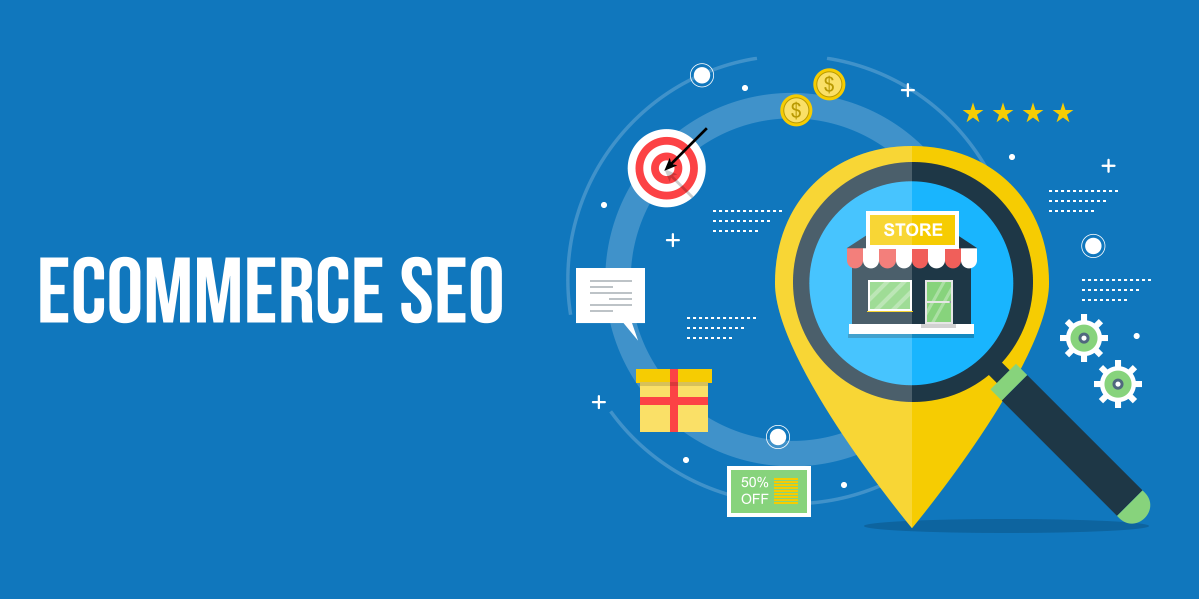
Ecommerce SEO involves optimizing your online store to rank higher in search engine results pages (SERPs). It is crucial for visibility and attracting organic traffic. With the right SEO strategies, your ecommerce store can appear in front of the right audience, increasing the chances of conversions.
Key Elements of Ecommerce SEO
Some key elements include optimizing product pages, using SEO-friendly URLs, and implementing high-quality content. Additionally, leveraging keywords strategically throughout your site can significantly impact your rankings.
Integrating SSL and Ecommerce SEO
Combining an SSL certificate with ecommerce SEO efforts can amplify your online store’s success. While SSL secures your site, SEO ensures it reaches potential customers. This integration enhances user experience and trust, ultimately boosting sales.
Enhancing User Experience
A secure and optimized site provides a seamless shopping experience. This includes fast loading times, easy navigation, and mobile-friendliness. By focusing on user experience, you can reduce bounce rates and encourage repeat visits.
Building Trust with Customers
Trust is a critical factor in online shopping. An SSL certificate assures customers that their data is safe, while effective ecommerce SEO builds credibility and authority through content and search visibility. Together, they create a trustworthy brand image.
Challenges and Solutions
Implementing both SSL certificates and ecommerce SEO can be challenging due to technical complexities and the ever-changing digital landscape. However, regular updates and staying informed about the latest trends can help overcome these hurdles.
Overcoming Technical Challenges
Technical challenges such as SSL installation and SEO optimization require expert intervention. Consider consulting with professionals or using tools that simplify these processes. Regular audits can also help identify areas for improvement.
Staying Updated with Trends
The digital world is constantly evolving, and keeping up with trends is essential. Engage in continuous learning through resources like SEO blogs and online courses to stay ahead.
Future of SSL and Ecommerce SEO
As technology advances, the role of SSL and ecommerce SEO will continue to grow. Future trends may include AI-driven SEO strategies and more sophisticated security measures, further enhancing the ecommerce landscape.
Preparing for Future Developments
Adaptability is key to success in the digital world. Stay proactive by anticipating changes and preparing your ecommerce store for future developments. This includes investing in new technologies and updating your strategies regularly.
Embracing Change
Change is inevitable, and embracing it can lead to new opportunities. By keeping an open mind and being willing to adapt, you can ensure your ecommerce store remains competitive in the future.
Conclusion
In conclusion, an SSL certificate and ecommerce SEO are essential components of a successful online store. They work together to create a secure, visible, and trustworthy platform for customers. By prioritizing these elements, you can enhance your ecommerce business and achieve long-term success.

FAQs
What is an SSL certificate?
An SSL certificate is a digital certificate that authenticates a website’s identity and enables an encrypted connection, ensuring data privacy and security.
Why is ecommerce SEO important?
Ecommerce SEO is important for improving a website’s visibility in search engine results, attracting organic traffic, and increasing sales.
How do SSL certificates and ecommerce SEO work together?
SSL certificates provide security, while ecommerce SEO enhances visibility and trust, creating a secure and credible online shopping experience.
- 0
- By Katelynn S.


6, Jul 2025
Crawlability Issues Ecommerce: How to Overcome Them?
The digital world is ever-evolving, and for ecommerce businesses, staying ahead of the curve is crucial. One of the most significant challenges they face is crawlability issues ecommerce. Ensuring that search engines can efficiently crawl and index your website is vital for visibility. If search engines can’t access your site, potential customers won’t be able to find you. In this article, we will delve into the common crawlability issues that ecommerce sites encounter and provide insights on how to resolve them.

Understanding Crawlability in Ecommerce
To begin with, it’s essential to understand what crawlability means. In the context of ecommerce, it refers to how easily search engines can navigate and index the pages of an online store. If a website is not crawled effectively, it can lead to decreased visibility in search engine results, affecting traffic and sales.
What Causes Crawlability Issues in Ecommerce?
Several factors can cause crawlability issues. These can range from complex website structures to technical errors. Here are some common causes:
- Broken Links: These are links that lead to non-existent pages.
- Duplicate Content: Having identical content on multiple pages.
- Improper Use of Robots.txt: This file is used to guide search engines on which pages to crawl.
- Complex Navigation: If your sites navigation is too complicated, search engines may struggle to index all pages.
Impact of Crawlability Issues on SEO
Crawlability issues can significantly impact an ecommerce site’s SEO. If search engines can’t crawl your site effectively, it won’t rank well, leading to a decrease in organic traffic. Additionally, it can affect the user experience, which is a critical factor for search engine rankings.
Common Crawlability Issues in Ecommerce Sites
Let’s explore some common crawlability issues encountered by ecommerce sites:
1. Broken Links
Broken links can be a major issue. They not only hinder search engines but also frustrate users. Regularly auditing your site for broken links is crucial.
2. Duplicate Content
Duplicate content can confuse search engines. It’s vital to ensure each page has unique content. For more on fixing duplicate issues, visit our guide on SEO duplicate tag fixes.
3. Improper Use of Robots.txt
A misconfigured robots.txt file can block essential pages from being crawled. Regularly check this file to ensure that important pages are not being excluded.
4. Complex Site Structure
An overly complex site structure can confuse search engines. Simplifying navigation can improve crawlability.
How to Resolve Crawlability Issues
Conduct Regular Audits
Regular audits can help identify and resolve crawlability issues. Use tools like Google Search Console to monitor your site’s health.
Fix Broken Links
Regularly check for and fix broken links. This can significantly improve your site’s crawlability and user experience.
Address Duplicate Content
Ensure each page has unique content. Use canonical tags to indicate the original version of a page when necessary.
Optimize Robots.txt
Regularly review your robots.txt file to ensure important pages are not blocked.
Best Practices for Improving Crawlability
Optimize Site Structure
Simplify your site’s navigation. Ensure that important pages are easily accessible.
Use XML Sitemaps
Create and submit an XML sitemap to search engines. This helps them discover and index all your pages.
Implement a Clean URL Structure
Use a clean and straightforward URL structure. This makes it easier for search engines to crawl your site.
Tools to Help with Crawlability
Several tools can assist with crawlability issues:
Google Search Console
Provides insights into your site’s health and crawlability issues.
Screaming Frog
A powerful tool for identifying crawlability issues.
The Importance of Mobile Crawlability
With the rise of mobile commerce, ensuring your site is mobile-friendly is essential. Mobile-friendly sites are prioritized by search engines, improving visibility.
The Role of Content in Crawlability
High-quality content is crucial for crawlability. Ensure your content is engaging and relevant to improve your site’s visibility.
Conclusion
Addressing crawlability issues ecommerce is essential for any online store looking to succeed. By understanding and resolving these issues, you can improve your site’s visibility, enhance user experience, and boost sales. For more insights into ecommerce SEO, check out this external guide.
FAQs
1. What is crawlability in ecommerce?
Crawlability refers to how easily search engines can navigate and index the pages of an ecommerce site.
2. How do I identify crawlability issues?
Use tools like Google Search Console and Screaming Frog to identify crawlability issues.
3. Why is mobile crawlability important?
With the increase in mobile users, ensuring your site is mobile-friendly improves visibility and user experience.

6, Jul 2025
Paid vs Organic Content Promotion: Understanding the Differences
In today’s digital landscape, businesses are constantly seeking effective ways to promote their content. A common debate that arises in this realm is the choice between paid vs organic content promotion. Each approach offers its unique advantages and challenges, and understanding these can significantly impact a business’s marketing strategy.
As small businesses strive to make informed decisions, it’s crucial to comprehend the nuances of paid vs organic content promotion. This article aims to shed light on both methods, helping you determine which is best suited for your business needs.

What is Paid Content Promotion?
Paid content promotion involves spending money to push content to a broader audience. This can be done through various platforms, including social media ads, pay-per-click (PPC) campaigns, and sponsored content. The primary goal is to achieve quick visibility and drive immediate engagement.
Understanding Organic Content Promotion
Organic content promotion, on the other hand, relies on non-paid strategies to increase visibility. This includes leveraging search engine optimization (SEO), social media engagement, and content sharing. The focus here is on building a loyal audience over time through valuable and engaging content.
Advantages of Paid Content Promotion
- Immediate Results: Paid promotion offers fast visibility, allowing content to reach a larger audience quickly.
- Targeted Reach: Businesses can target specific demographics, ensuring the content reaches the right people.
Challenges of Paid Content Promotion
- Cost: Continuous investment is required to maintain visibility.
- Ad Fatigue: Audiences may become desensitized to ads over time.
Advantages of Organic Content Promotion
- Cost-Effective: Organic promotion requires minimal financial investment.
- Builds Trust: Content perceived as organic often generates more trust among consumers.
Challenges of Organic Content Promotion
- Time-Consuming: Building an audience organically takes time and consistent effort.
- Unpredictable Reach: Organic reach can be inconsistent and less predictable.
Choosing Between Paid and Organic
The decision between paid vs organic content promotion largely depends on a business’s goals, budget, and resources. For immediate results, paid promotion might be the way to go. However, for long-term engagement and trust-building, organic methods are essential.
Integrating Paid and Organic Strategies
Many successful businesses find value in integrating both paid and organic strategies. This balanced approach can maximize reach and engagement, combining the strengths of both methods.
Examples of Successful Integration
Companies that effectively blend paid and organic strategies often see enhanced visibility and engagement. For instance, a business might use paid ads to launch a new product while simultaneously building organic content around its benefits.
Measuring Success in Content Promotion
Regardless of the strategy chosen, measuring success is crucial. Key performance indicators (KPIs) such as engagement rates, conversion rates, and ROI can provide insights into the effectiveness of your promotional efforts.
Tools for Measuring Success
There are numerous tools available for tracking content promotion success. Google Analytics, for example, offers detailed insights into website traffic and user behavior. Similarly, social media platforms provide analytics to assess engagement and reach.
Adapting to Changing Trends
The world of content promotion is dynamic, with trends continually evolving. Staying informed about the latest developments can help businesses adapt their strategies for optimal results.
The Future of Content Promotion
Looking ahead, the lines between paid and organic promotion are likely to blur even further. As algorithms and consumer behaviors change, businesses must remain agile, ready to adjust their strategies as needed.
Conclusion
In the debate of paid vs organic content promotion, there is no one-size-fits-all solution. Each business must evaluate its unique needs and resources to determine the optimal approach. By understanding the strengths and limitations of both methods, businesses can craft effective strategies to achieve their marketing goals.
For more insights on content promotion strategies, check out this content refresh guide or explore the benefits of content marketing to enhance your approach.

FAQ
What is the main difference between paid and organic promotion?
Paid promotion involves financial investment for immediate visibility, while organic promotion focuses on building engagement over time without direct costs.
Can small businesses benefit from paid promotion?
Yes, small businesses can benefit from paid promotion by targeting specific audiences and achieving quick results, provided they manage their budgets effectively.
Is it possible to use both strategies simultaneously?
Absolutely. Many businesses integrate both paid and organic strategies for a comprehensive approach to content promotion.
6, Jul 2025
Local SEO for gyms: Boosting Your Gym’s Visibility
In today’s digital world, Local SEO for gyms is essential for attracting new clients and staying ahead of competitors. Whether you’re a small, independent gym or part of a larger chain, understanding how to effectively utilize local SEO can significantly enhance your visibility within your community. This article will guide you through everything you need to know about optimizing your gym’s online presence and ensure that you attract more local clientele.
Understanding the Importance of Local SEO
Local SEO is crucial for any business that relies on local customers, and gyms are no exception. By employing local SEO strategies, gyms can appear in search results when potential clients look for fitness centers nearby. This not only increases visibility but also drives foot traffic and membership sales.
What is Local SEO?
Local SEO is a branch of search engine optimization that focuses on optimizing a website to be found in local search results. This involves strategies like claiming your business listing, managing online reviews, and optimizing your website for location-based keywords.
Why Gyms Need Local SEO
Gyms are inherently local businesses, often serving customers within a specific geographic area. By focusing on Local SEO for gyms, you ensure that your gym appears in search results when potential members in your area search for fitness options.
Steps to Optimize Your Gym’s Local SEO
Claim Your Google Business Profile
One of the first steps in local SEO is to claim and optimize your Google Business Profile. This free tool allows your gym to appear in Google Maps and the local section of Google Search. Ensure that all your information, such as address, phone number, and business hours, is accurate and up-to-date. For more detailed guidance, check out Google Business Profile tips.
Optimize for Local Keywords
Incorporate location-specific keywords throughout your website’s content. This includes using terms like ‘gym near me’ or ‘fitness center in [your city].’ Ensure these keywords are naturally integrated into your website’s metadata, headings, and body text.
Encourage Customer Reviews
Customer reviews play a significant role in local SEO. Encourage your members to leave positive reviews on platforms like Google and Yelp. Respond to all reviews, both positive and negative, to show potential clients that you value feedback.
Leveraging Online Maps
Ensure Accurate Map Listings
Make sure your gym’s address is correctly listed on online maps. This will help potential clients find you easily. Inaccurate listings can lead to confusion and lost business opportunities. Learn more about leveraging maps for SEO here.
Use High-Quality Images
Images can greatly impact a potential client’s decision to visit your gym. Use high-quality images of your facilities, classes, and community events to attract potential customers. These images should be optimized for SEO by including relevant keywords in their file names and alt text.
Integrating Local SEO with Other Marketing Strategies
Combine SEO with Social Media
Social media platforms are powerful tools for engaging with your community and promoting your gym. Share content that highlights your gym’s unique offerings and community events. This not only boosts your online presence but also supports your local SEO efforts.
Utilize Video Marketing
Video content is highly engaging and can boost your SEO. Create videos showcasing your gym’s facilities, classes, and members’ success stories. For tips on integrating video marketing with local SEO, visit this resource.
Common Local SEO Mistakes to Avoid
Avoiding common SEO mistakes can save your gym time and resources. Ensure you’re not making errors like inconsistent information across listings or neglecting mobile optimization. For more on common SEO pitfalls, visit this article.
Neglecting Mobile Optimization
Many potential clients will search for gyms using their smartphones. Ensure your website is mobile-friendly to provide a seamless user experience and improve your local SEO rankings.
Ignoring Local Competitors
Keep an eye on your local competitors to understand what strategies they’re using effectively. This can provide insights into your own local SEO strategy and help you stay competitive.
Measuring the Success of Your Local SEO Strategy
Track Your Rankings
Regularly monitor your gym’s search engine rankings for relevant local keywords. This will help you assess the effectiveness of your local SEO efforts and make necessary adjustments.
Analyze Website Traffic
Use tools like Google Analytics to track the amount of traffic your website receives from local searches. A steady increase in traffic can indicate successful local SEO strategies.
FAQs on Local SEO for Gyms
What is the importance of local SEO for gyms?
Local SEO is vital for gyms as it helps attract local clientele by increasing online visibility in local search results.
How can I optimize my gym for local SEO?
Claim your Google Business Profile, optimize for local keywords, encourage customer reviews, and ensure accurate map listings.
What are common local SEO mistakes to avoid?
Avoid neglecting mobile optimization, inconsistent information across listings, and ignoring local competitors.

6, Jul 2025
SEO for Dropshipping Websites: Essential Guide to Boost Your Store
In the rapidly evolving world of e-commerce, SEO for dropshipping websites has become an indispensable tool for businesses looking to enhance their online visibility and attract more customers. Whether you’re a small business owner or a seasoned entrepreneur, understanding the intricacies of SEO can significantly impact your dropshipping success.
By optimizing your website for search engines, you can ensure that your products reach the right audience, ultimately driving traffic and increasing sales. In this article, we will explore the essential strategies for mastering SEO for dropshipping websites and how you can leverage them to boost your store’s performance.

Understanding Dropshipping and SEO
What is Dropshipping?
Dropshipping is a retail fulfillment method where a store doesn’t keep the products it sells in stock. Instead, when a store sells a product, it purchases the item from a third party and has it shipped directly to the customer. As a result, the seller doesn’t have to handle the product directly.
Why is SEO Important for Dropshipping?
SEO plays a crucial role in the success of a dropshipping business. Unlike traditional retail, where location can drive foot traffic, e-commerce relies heavily on online visibility. Implementing SEO strategies ensures your dropshipping store ranks well in search engine results pages (SERPs), making it easier for potential customers to find your products.
Key SEO Strategies for Dropshipping Websites
1. Keyword Research
Effective keyword research forms the foundation of any successful SEO campaign. Identify keywords that are relevant to your products and have a high search volume but low competition. Utilize tools like Surfer SEO to find the best keywords for your dropshipping website.
2. On-Page SEO Optimization
On-page SEO involves optimizing individual pages of your website to rank higher in search results. This includes optimizing title tags, meta descriptions, headers, and ensuring your content is valuable and relevant to your target audience.
3. High-Quality Content
Creating high-quality, engaging content is crucial for SEO success. Content that provides value to your audience will naturally attract more visitors, increasing your chances of generating sales. Consider writing blog posts, guides, and product descriptions that answer common customer questions and provide helpful information.
4. Optimize for Mobile
With a significant percentage of online shopping occurring on mobile devices, ensuring your dropshipping website is mobile-friendly is essential. A responsive design and fast loading times can improve user experience and positively impact your SEO rankings.
Advanced SEO Techniques
1. Link Building
Building a strong backlink profile is vital for boosting your website’s authority and improving its ranking in search results. Seek opportunities to earn backlinks through guest blogging, partnerships, and social media engagement.
2. Technical SEO
Technical SEO refers to optimizing your website’s infrastructure to ensure search engines can crawl and index your site efficiently. This includes optimizing site speed, ensuring a secure connection (HTTPS), and creating an XML sitemap.
3. User Experience (UX)
User experience is a critical factor in SEO. A positive UX can lead to higher engagement and lower bounce rates, which in turn can improve your search rankings. Focus on creating a seamless and intuitive shopping experience for your visitors.
4. Local SEO
If your dropshipping business targets specific geographical areas, implementing local SEO strategies can be beneficial. Optimize your site for local searches by including location-based keywords and creating a Google My Business listing.
Common SEO Mistakes to Avoid
1. Ignoring Analytics
Regularly analyzing your website’s performance is essential for understanding what works and what doesn’t. Use tools like Google Analytics to track your traffic, conversions, and other important metrics.
2. Overlooking Technical Issues
Technical issues such as broken links, duplicate content, and slow loading times can negatively impact your SEO efforts. Regularly audit your website to identify and fix any technical problems.
3. Neglecting Social Media
Social media can significantly boost your SEO efforts by driving traffic to your website and increasing your online presence. Engage with your audience on platforms like Facebook, Instagram, and Twitter to build a strong brand presence.
Leveraging Tools and Resources
1. SEO Tools
Utilize SEO tools like Moz, SEMrush, and Ahrefs to gain insights into your website’s performance and identify areas for improvement. These tools can help you track your rankings, analyze your competition, and find new keyword opportunities.
2. Learning Resources
Stay updated with the latest SEO trends and best practices by following reputable SEO blogs and attending webinars. Websites like Backlinko offer valuable insights into e-commerce SEO strategies.
Conclusion
Mastering SEO for dropshipping websites is a continuous process that requires dedication and a willingness to adapt to changing trends. By implementing the strategies outlined in this guide, you can improve your store’s visibility, attract more customers, and ultimately drive more sales. Remember to stay informed about the latest SEO developments and continuously optimize your website to maintain a competitive edge in the dynamic world of e-commerce.

FAQs
1. What are the main benefits of SEO for dropshipping websites?
SEO helps improve your website’s visibility, attract more organic traffic, and increase sales by ensuring your products reach potential customers through search engines.
2. How often should I update my SEO strategy for my dropshipping store?
It’s important to regularly review and update your SEO strategy to keep up with changing algorithms and trends. Aim to audit your strategy at least every six months.
3. Can I do SEO for my dropshipping website myself, or should I hire a professional?
While you can certainly learn and implement SEO strategies yourself, hiring a professional can save time and ensure more effective results. Consider your budget and expertise before making a decision.

6, Jul 2025
Analytics Dashboards for Content: Essential for Success
In the fast-paced world of content marketing, analytics dashboards for content have become indispensable tools for understanding and enhancing performance. Whether you’re a small business owner or a seasoned marketer, these dashboards can provide valuable insights that can lead to better decision-making and improved strategies.

What are Analytics Dashboards for Content?
At its core, an analytics dashboard for content is a visual representation of key performance metrics. These dashboards compile data from various sources, offering a centralized view of how your content is performing across different channels. By using these dashboards, you can track engagement, understand audience behavior, and measure the success of your marketing efforts.
Why are Analytics Dashboards Important?
The importance of analytics dashboards cannot be overstated. They provide a comprehensive view of your content’s performance, enabling you to make informed decisions. By analyzing data from these dashboards, you can identify what works, what doesn’t, and where there are opportunities for improvement.
Benefits of Using Analytics Dashboards
- Improved Decision-Making: With clear data insights, you can make more strategic decisions that align with your business goals.
- Increased Efficiency: Dashboards streamline the process of data analysis, saving you time and resources.
- Better ROI: By understanding what content drives engagement, you can focus your efforts on high-performing strategies.
Key Features of an Effective Content Analytics Dashboard
When selecting a dashboard, consider the following features:
Real-Time Data
Real-time data allows you to monitor performance as it happens, enabling quick adjustments to your marketing strategies.
Customizable Metrics
A dashboard should offer customizable metrics that align with your specific business objectives.
Integration with Other Tools
Ensure that your dashboard can integrate seamlessly with other tools you use, such as social media platforms and CRM systems.
How to Choose the Right Analytics Dashboard for Your Business
Choosing the right dashboard can be daunting, but focusing on the following factors can guide your decision:
Define Your Goals
Understand what you want to achieve with your content and select a dashboard that can help you meet those objectives.
Evaluate Your Budget
Consider the cost of the dashboard and ensure it offers a good return on investment.
Test Usability
Ensure the dashboard is user-friendly and offers support and training if needed.
Implementing Analytics Dashboards in Your Content Strategy
Once you’ve selected the right dashboard, it’s time to integrate it into your content strategy:
Set Up Your Dashboard
Configure your dashboard to track the metrics that matter most to your business.
Regularly Review Data
Make it a habit to review your dashboard data regularly to stay on top of trends and make necessary adjustments.
Use Insights to Guide Content Creation
Leverage the insights gained from your dashboard to create content that resonates with your audience.
Common Challenges and Solutions
Implementing analytics dashboards can come with challenges:
Data Overload
With so much data available, it can be overwhelming. Focus on key metrics that align with your goals to avoid data overload.
Technical Difficulties
Technical issues can hinder your ability to effectively use dashboards. Ensure you have a reliable support system in place.
Future Trends in Content Analytics
As technology advances, so do the capabilities of content analytics dashboards. Future trends may include enhanced AI integration and more personalized user experiences.
Conclusion
In conclusion, analytics dashboards for content are crucial for any business looking to optimize their content strategy. By providing valuable insights and simplifying the data analysis process, these dashboards enable businesses to make informed decisions and achieve their marketing goals.

FAQs
What is an analytics dashboard for content?
An analytics dashboard for content is a tool that visualizes data to help track and assess the performance of your content.
How do dashboards improve content strategy?
Dashboards provide insights into what content works, enabling you to focus on successful strategies and improve ROI.
Are there free options for analytics dashboards?
Yes, there are free options available, but they may offer limited features compared to paid versions.
For more tips on creating engaging content, check out writing engaging content and content writing strategies on WebTown USA. Additionally, learn about the benefits of content marketing on BrightEdge.

5, Jul 2025
SEO Migration Checklist Ecommerce: Essential Steps for Success
In today’s fast-paced digital world, ensuring a smooth transition during an ecommerce website migration is crucial for maintaining your site’s SEO performance. Whether you’re redesigning your website or changing platforms, following a comprehensive SEO migration checklist can help you avoid potential pitfalls and ensure that your website remains visible and accessible to your target audience.

Understanding the Importance of SEO Migration
Website migration can be a complex process, involving several changes that can impact your site’s search engine rankings. From URL structure updates to content modifications, each step needs careful execution to prevent any negative effects on your SEO. The primary goal of an SEO migration checklist is to protect your website’s search visibility and organic traffic.
Planning Your Ecommerce SEO Migration
Before diving into the technical aspects of migration, it’s essential to plan thoroughly. Start by auditing your current website’s SEO performance. Identify pages that drive the most traffic and note down their keywords. This will help you prioritize pages that need special attention during the migration process.
Conducting a Pre-Migration Audit
A pre-migration audit is a crucial first step. Analyze your website’s current SEO metrics to understand its strengths and weaknesses. Use tools like Google Analytics and Google Search Console to gather data on your site’s performance, including traffic sources, top-performing pages, and backlinks.
Setting Clear Migration Goals
Define clear objectives for your migration. Are you looking to improve site speed, enhance mobile responsiveness, or update the design? Understanding your goals will guide your decisions throughout the migration process.
Technical Aspects of SEO Migration
The technical side of migration involves several critical steps that can significantly impact your SEO. Ensuring a seamless transition requires attention to detail and strategic planning.
Updating URL Structures
One of the most common changes during a migration is updating URL structures. Ensure that any changes to URLs are properly redirected using 301 redirects. This helps preserve link equity and ensures that users and search engines are directed to the correct pages.
Implementing 301 Redirects
301 redirects are essential for maintaining your site’s SEO during migration. They inform search engines that your pages have permanently moved, allowing them to update their indexes accordingly. Without proper redirects, you risk losing valuable traffic and rankings.
Optimizing On-Page Elements
During migration, review and optimize on-page elements such as meta tags, headers, and image alt texts. Make sure they align with your target keywords and reflect any changes made to your site’s structure.
Testing and Monitoring Post-Migration
After completing the technical steps, thorough testing and monitoring are crucial to ensure a successful migration. Regularly check your site’s performance and make necessary adjustments to address any issues that arise.
Conducting Post-Migration Audits
Once your new site is live, perform a post-migration audit to evaluate its performance. Check for broken links, missing pages, and any SEO inconsistencies. Use tools like Screaming Frog to crawl your site and identify potential issues.
Monitoring Traffic and Rankings
Keep a close eye on your website’s traffic and rankings post-migration. Compare the data with your pre-migration metrics to ensure that there are no significant drops. If you notice any issues, investigate and address them promptly.
Best Practices for a Smooth Migration
Following best practices can significantly contribute to a successful SEO migration. Here are some key tips to keep in mind:
Communicating with Stakeholders
Effective communication with stakeholders is vital throughout the migration process. Keep them informed of the changes, timelines, and potential impacts. This ensures everyone is aligned and can address any concerns promptly.
Creating a Backup Plan
Always have a backup plan in case any issues arise during migration. This includes backing up your current website and database to restore data if needed.
Testing Before Launch
Before launching your migrated site, conduct thorough testing to ensure all elements are functioning correctly. Test on different devices and browsers to guarantee a seamless user experience.
Common Challenges in SEO Migration
Despite careful planning, challenges can arise during migration. Being aware of these potential issues can help you address them effectively.
Handling Duplicate Content
Duplicate content can harm your SEO efforts. Ensure that your new site doesn’t have any duplicate content issues by using canonical tags to indicate the preferred version of a page.
Resolving Crawl Errors
Crawl errors can prevent search engines from indexing your site properly. Check your Google Search Console for any crawl errors and address them promptly.
Leveraging SEO Tools for Migration
Several SEO tools can assist you in a successful migration. These tools provide valuable insights and help you monitor your site’s performance throughout the process.
Using Google Search Console
Google Search Console is an essential tool for monitoring your site’s performance. It provides data on search queries, impressions, and crawl errors, helping you identify and resolve any issues.
Employing SEO Auditing Tools
SEO auditing tools like SEMrush and Ahrefs offer comprehensive insights into your site’s SEO health. Use these tools to track changes, identify opportunities, and address potential issues.
Case Studies of Successful SEO Migrations
Learning from successful SEO migrations can provide valuable insights and inspire your approach. Here are a few case studies to consider:
Case Study 1: E-commerce Platform Migration
An online retailer successfully migrated from one e-commerce platform to another, maintaining their SEO rankings by meticulously following a migration checklist. By implementing 301 redirects and optimizing on-page elements, they preserved their search visibility.
Case Study 2: Website Redesign
A business undergoing a website redesign managed to enhance their SEO performance by aligning their content with target keywords and implementing best practices for on-page optimization.
Conclusion
A well-executed SEO migration is essential for maintaining your site’s visibility and organic traffic during a website transition. By following a comprehensive SEO migration checklist, you can ensure a smooth and successful migration process. Remember to plan thoroughly, address technical aspects, and conduct post-migration audits to monitor performance.
FAQs on SEO Migration
What is an SEO migration checklist for ecommerce?
An SEO migration checklist for ecommerce is a comprehensive guide that outlines the necessary steps to ensure a smooth website transition while preserving your site’s SEO performance.
Why is it important to follow an SEO migration checklist?
Following an SEO migration checklist helps prevent potential issues that could negatively impact your site’s search visibility and organic traffic during a migration.
What are the key steps in an SEO migration process?
Key steps in an SEO migration process include conducting pre-migration audits, implementing 301 redirects, optimizing on-page elements, and conducting post-migration audits to monitor performance.
5, Jul 2025
404 Errors in Ecommerce SEO: Impact and Solutions
In the fast-paced world of ecommerce, ensuring that your site is free from 404 errors is crucial for maintaining a seamless user experience and optimizing search engine visibility. When potential customers encounter a 404 error, it can lead to frustration, decreased trust in your brand, and ultimately, lost sales. In this article, we will explore the significance of 404 errors in ecommerce SEO, how they impact your online store, and effective strategies to address and prevent them.
Understanding 404 Errors
A 404 error signifies that the server could not find the requested page on your website. This usually happens when a URL has been changed or deleted without a proper redirect in place. For ecommerce sites, where products and pages frequently change, managing these errors becomes even more essential.
The Impact of 404 Errors on Ecommerce
When it comes to ecommerce SEO, 404 errors can have a significant negative impact. Here are some of the ways they can affect your site:
1. User Experience and Trust
Encountering a 404 error can frustrate users, leading them to leave your site and potentially never return. This directly affects user experience and can damage your brand’s reputation.
2. SEO Rankings
Search engines like Google consider 404 errors as a sign of poor site maintenance. This can lead to lower rankings in search engine results pages (SERPs), making it harder for customers to find your products.
3. Loss of Potential Sales
Every visitor who encounters a 404 error is a potential lost sale. Ensuring smooth navigation through proper redirects and updated links is essential for converting visitors into customers.
Common Causes of 404 Errors in Ecommerce
Understanding the common causes of 404 errors can help you prevent them. Here are some typical scenarios:
1. Product Page Deletion
Products that go out of stock or are discontinued without proper redirection can lead to 404 errors. Ensure that any removed product pages are redirected to relevant categories or similar products.
2. URL Changes
Changing URLs without setting up appropriate 301 redirects causes 404 errors. Always use 301 redirects to guide search engines and users to the new page.
3. Typographical Errors
Typos in URLs or internal links can easily cause 404 errors. Regularly audit your site for such errors and correct them promptly.
How to Fix 404 Errors
Addressing 404 errors involves a combination of proactive and reactive strategies:
1. Regular Audits
Conduct regular site audits using tools like Google Search Console to identify and fix 404 errors. This will help maintain a healthy site structure.
2. Implement 301 Redirects
Set up 301 redirects for pages that have been moved or deleted. This ensures that both users and search engines are directed to the right pages.
3. Maintain a Custom 404 Page
Design a user-friendly custom 404 page that guides users back to relevant content or suggests similar products. This can reduce bounce rates and improve user experience.
Preventing 404 Errors
Prevention is always better than cure. Here are some proactive steps to prevent 404 errors:
1. Use SEO-Friendly URLs
Ensure that your URLs are concise, descriptive, and reflect the content of the page. For more tips on optimizing URLs for SEO, check out SEO URLs.
2. Consistent URL Structure
Maintain a consistent URL structure across your site. This makes it easier to manage and reduces the risk of broken links.
3. Monitor Product Stock
Regularly update your product inventory and ensure that out-of-stock or discontinued products are properly redirected. Learn more about managing product pages effectively at Rank Product Pages.
Tools to Help Identify 404 Errors
Several tools can assist in identifying and resolving 404 errors:
1. Google Search Console
Google Search Console provides insights into crawl errors, including 404 errors, and offers suggestions for fixing them.
2. Screaming Frog SEO Spider
This tool can crawl your site and identify broken links, making it easier to address 404 errors.
3. Ahrefs or SEMrush
These comprehensive SEO tools can help you monitor your site’s health, track 404 errors, and suggest fixes.
The Role of Ecommerce Platforms
Choosing the right ecommerce platform can mitigate the risk of 404 errors. Here are some considerations:
1. Built-in SEO Tools
Opt for platforms that offer robust SEO tools to manage redirects and URL changes effectively. For a list of recommended plugins, visit SEO Plugins.
2. Customization Options
Ensure your platform allows for customization of URLs and error pages to reduce 404 errors.
Case Studies
Let’s explore some case studies of ecommerce businesses that effectively managed 404 errors:
1. Example Store A
This store implemented regular audits and 301 redirects, resulting in improved search rankings and user experience.
2. Example Store B
By creating a custom 404 page, this store reduced bounce rates and increased customer retention.
Conclusion
In conclusion, managing 404 errors in ecommerce SEO is vital for maintaining a healthy website, enhancing user experience, and boosting search engine rankings. By understanding the causes, impacts, and solutions for 404 errors, you can ensure a seamless shopping experience for your customers and safeguard your online business’s success.
FAQs
1. How do 404 errors affect SEO?
404 errors can negatively impact SEO by lowering your site’s authority and affecting search engine rankings. They signal to search engines that your site may be poorly maintained.
2. How can I prevent 404 errors on my ecommerce site?
Regular audits, implementing redirects, and maintaining a consistent URL structure can help prevent 404 errors.
3. What is a custom 404 page, and why is it important?
A custom 404 page provides users with helpful information and navigation options when they encounter a broken link, reducing bounce rates and improving user experience.
For more detailed guidance on ecommerce SEO, you can visit WebFX Ecommerce SEO or Neil Patel’s Guide.

4, Jul 2025
Zero Click Content Strategy: Boosting Online Engagement
In the fast-paced world of digital marketing, businesses are constantly seeking new ways to capture the attention of their target audience. One innovative approach that has gained traction is the zero click content strategy. This strategy focuses on providing valuable information directly within the search results, eliminating the need for users to click through to a website. By crafting content that answers questions and provides solutions within search engine results pages (SERPs), businesses can enhance their online presence and engage with a broader audience.
Implementing a zero click content strategy can be a game-changer for small businesses. It allows them to connect with potential customers in a more direct and efficient manner. By leveraging this strategy, businesses can establish themselves as industry authorities and build trust with their audience.

Understanding the Zero Click Content Strategy
The zero click content strategy is all about optimizing your content to appear in search results in a way that provides immediate value to users. This means crafting content that answers common questions, provides quick tips, or offers snippets of valuable information. The goal is to give users the information they need without requiring them to navigate away from the search results page.
Why It Matters
With the rise of voice search and mobile browsing, users are increasingly looking for quick answers. By implementing a zero click content strategy, businesses can meet this demand and improve their visibility in search results. This approach not only enhances user experience but also positions businesses as leaders in their respective industries.
How to Implement a Zero Click Content Strategy
1. Research Common Questions
Start by identifying the common questions and concerns of your target audience. Tools like Googles People Also Ask feature can provide valuable insights into what users are searching for. By understanding these queries, you can create content that addresses these specific needs.
2. Optimize for Featured Snippets
Featured snippets are a prime real estate in SERPs. By crafting concise and informative answers to common questions, you increase the chances of your content being featured. Use clear and structured formatting, such as bullet points or numbered lists, to enhance readability and improve your chances of being selected as a featured snippet.
3. Leverage Structured Data
Structured data helps search engines understand the content on your website better. By implementing schema markup, you can provide additional context to your content, increasing the likelihood of it being featured in rich snippets.
4. Create Engaging Visual Content
Visual content, such as infographics and videos, can capture users’ attention and provide valuable information. Incorporate relevant visuals into your content to enhance its appeal and increase user engagement. Visuals are more likely to be featured in search results, improving your chances of a successful zero click content strategy.
Benefits of the Zero Click Content Strategy
1. Increased Visibility
By appearing directly in search results, your content is exposed to a wider audience. This increased visibility can lead to higher brand recognition and more opportunities for engagement. As users become familiar with your brand, they are more likely to trust your expertise and seek out your products or services.
2. Enhanced User Experience
The zero click content strategy focuses on providing immediate value to users. By delivering relevant and concise information, you improve the overall user experience. This positive interaction can lead to increased user satisfaction and higher chances of conversion.
3. Establishing Authority
When your content consistently appears in search results as a trusted source of information, it establishes your brand as an authority in the industry. This credibility can lead to increased customer trust and loyalty.
Challenges of the Zero Click Content Strategy
1. Limited Traffic to Website
While the zero click content strategy increases visibility, it may result in fewer clicks to your website. To mitigate this, ensure that your website provides additional value and encourages further exploration.
2. Constant Updates
Search algorithms and user behavior are constantly evolving. To maintain the effectiveness of your zero click content strategy, you need to stay updated with the latest trends and continuously optimize your content.
Best Practices for a Successful Zero Click Content Strategy
1. Focus on Quality
High-quality content is essential for a successful zero click content strategy. Ensure that your content is well-researched, accurate, and provides genuine value to users.
2. Monitor Performance
Regularly monitor the performance of your content in search results. Analyze metrics such as click-through rates and user engagement to identify areas for improvement.
3. Adapt to Changes
The digital landscape is constantly changing. Stay informed about updates in search algorithms and user preferences to ensure your zero click content strategy remains effective.
Conclusion
Implementing a zero click content strategy can significantly enhance your online presence and engage a broader audience. By providing valuable information directly in search results, businesses can establish themselves as industry leaders and build trust with their audience. For small businesses, this strategy offers a cost-effective way to compete with larger brands and connect with potential customers.

FAQs
What is a zero click content strategy?
A zero click content strategy involves creating content that provides immediate value to users within search results, eliminating the need for them to click through to a website.
How can I optimize my content for featured snippets?
To optimize for featured snippets, focus on providing concise and informative answers to common questions. Use clear formatting, such as bullet points or numbered lists, to enhance readability.
Why is the zero click content strategy important for small businesses?
The zero click content strategy allows small businesses to increase their visibility in search results, establish authority, and connect with potential customers in a cost-effective manner.
For more insights on content strategies, visit this article on SEMRush or WebFX’s guide on content marketing benefits.
For additional resources related to content strategies, consider exploring project management for content teams or how to write engaging content on WebTownUSA.
4, Jul 2025
SEO Checklist for Shopify: Elevate Your Online Store
In today’s digital age, having a strong online presence is essential for any business, especially for small businesses operating on Shopify. An effective SEO checklist for Shopify is crucial to ensure your online store not only attracts visitors but also converts them into customers. In this article, we will explore a detailed SEO checklist tailored specifically for Shopify stores, guiding you through the steps to optimize your site and improve your search engine rankings.

Understanding the Importance of SEO for Shopify Stores
Before diving into the SEO checklist for Shopify, it’s important to understand why SEO is vital for your online store. Search Engine Optimization (SEO) is the process of improving your website to increase its visibility on search engines like Google. A well-optimized Shopify store will attract more organic traffic, leading to higher sales and revenue.
Keyword Research: Laying the Foundation
Why Keywords Matter
Keywords are the words and phrases that potential customers use to search for products or services online. Conducting keyword research is the first step in any SEO strategy. By identifying the right keywords, you can optimize your Shopify store to appear in relevant search results.
Tools for Keyword Research
There are several tools available to help you with keyword research. Some popular options include Google Keyword Planner, SEMrush, and Ahrefs. These tools provide insights into search volume, competition, and related keywords.
On-Page SEO: Optimizing Your Shopify Store
Title Tags and Meta Descriptions
Title tags and meta descriptions are critical components of on-page SEO. They provide search engines with information about your page’s content. Ensure that each page on your Shopify store has a unique and descriptive title tag and meta description that includes relevant keywords.
Product Descriptions
Well-written product descriptions not only inform potential customers but also help with SEO. Use relevant keywords naturally within your product descriptions to improve your chances of ranking in search results.
Image Optimization
Images are an essential part of any e-commerce store, but they can also slow down your website if not optimized. Use descriptive file names and alt tags for your images to enhance your site’s SEO.
Technical SEO: Ensuring a Smooth User Experience
Site Speed
Site speed is a crucial factor in both user experience and SEO. A slow-loading website can lead to higher bounce rates and lower search engine rankings. Use tools like Google PageSpeed Insights to analyze and improve your site’s speed.
Mobile Optimization
With more people using mobile devices to browse the internet, ensuring your Shopify store is mobile-friendly is vital. A responsive design that adapts to different screen sizes will enhance user experience and improve your SEO.
Building High-Quality Backlinks
Why Backlinks Matter
Backlinks are links from other websites to your Shopify store. They are a crucial part of off-page SEO and can significantly impact your search engine rankings. Focus on building high-quality backlinks from reputable sources to boost your site’s authority.
Strategies for Acquiring Backlinks
Some effective strategies for acquiring backlinks include guest blogging, collaborating with influencers, and reaching out to industry-specific websites for partnerships. Remember, quality is more important than quantity when it comes to backlinks.
Content Marketing: Engaging Your Audience
Blogging for SEO
Blogging is an excellent way to engage your audience and improve your SEO. Create valuable and informative content that addresses your customers’ needs and includes relevant keywords. For more insights, you can check out this article on SEO for eCommerce Blogs.
Pillar Content
Pillar content is comprehensive, long-form content that covers a specific topic in-depth. It serves as a cornerstone for your content marketing strategy. To learn more about creating effective pillar content, visit Pillar Content Strategy for eCommerce.
Local SEO: Targeting Your Local Audience
Google My Business
If you have a physical store, optimizing your Google My Business profile is essential for local SEO. Ensure your business information is accurate and up-to-date to attract local customers.
Local Keywords
Incorporate local keywords into your content to target customers in your area. This strategy helps improve your visibility in local search results.
Monitoring and Analytics: Measuring Your Success
Google Analytics
Google Analytics is a powerful tool for tracking your website’s performance. Use it to monitor your traffic, user behavior, and conversion rates. Regularly analyze this data to identify areas for improvement.
SEO Tools
There are several SEO tools available to help you monitor your site’s performance. Some popular options include Google Search Console, Moz, and Ahrefs. These tools provide insights into your site’s visibility and help you identify and fix any issues.
FAQs
What is the first step in optimizing my Shopify store for SEO?
The first step in optimizing your Shopify store for SEO is conducting thorough keyword research. Identifying the right keywords will guide your entire SEO strategy.
How can I improve my Shopify store’s site speed?
To improve your Shopify store’s site speed, consider optimizing images, reducing server response time, and using a content delivery network (CDN).
Why are backlinks important for SEO?
Backlinks are important for SEO because they signal to search engines that other websites trust your content. High-quality backlinks can boost your site’s authority and improve your search engine rankings.
For more information on eCommerce SEO, consider exploring resources like SEMrush’s eCommerce SEO Guide.


