



9, Jul 2025
Predictive Content Analytics: The Future of Marketing Strategy
In today’s digital age, businesses are constantly seeking innovative ways to stay ahead of the competition. One of the most promising advancements in this field is predictive content analytics. This powerful tool enables companies to make data-driven decisions that enhance their marketing strategies and optimize content performance.
By leveraging predictive content analytics, businesses can anticipate trends, understand audience preferences, and deliver personalized content that resonates with their target audience. In this article, we will explore the various aspects of predictive content analytics and how it can revolutionize your marketing efforts.

What is Predictive Content Analytics?
Predictive content analytics is a sophisticated method of using data analysis and machine learning algorithms to forecast future content performance. It involves examining historical data, such as user behavior, engagement metrics, and market trends, to predict which types of content will perform best in the future.
The Importance of Data Analysis
Data analysis is at the heart of predictive content analytics. By analyzing vast amounts of data, businesses can uncover valuable insights that inform their content creation and distribution strategies. This data-driven approach ensures that content is not only relevant but also aligns with the preferences and needs of the target audience.
Machine Learning and AI in Predictive Content Analytics
Machine learning and artificial intelligence (AI) play a crucial role in predictive content analytics. These technologies enable businesses to automate the analysis process and generate accurate predictions. By continuously learning from new data, machine learning algorithms can refine their predictions, leading to more effective content strategies.
Benefits of Predictive Content Analytics
Enhanced Content Strategy
One of the primary benefits of predictive content analytics is the ability to enhance content strategy. By identifying content themes and formats that are likely to resonate with the audience, businesses can create more engaging and impactful content that drives results.
For more insights on building a robust content strategy, you can visit content personas.
Improved Audience Targeting
With predictive content analytics, businesses can gain a deeper understanding of their audience’s preferences and behaviors. This knowledge allows for more precise audience targeting, ensuring that content reaches the right people at the right time.
Increased Engagement and Conversions
By delivering content that aligns with audience interests, businesses can significantly increase engagement and conversions. Predictive content analytics helps identify the types of content that are most likely to captivate and convert, leading to higher ROI.
Implementing Predictive Content Analytics
Choosing the Right Tools
Implementing predictive content analytics requires the right set of tools. Many platforms offer analytics solutions that integrate seamlessly with existing marketing systems. It’s essential to choose a tool that aligns with your business goals and provides the necessary insights.
Integrating with Existing Systems
For optimal results, predictive content analytics should be integrated with existing marketing systems. This integration ensures that data flows smoothly and insights can be easily accessed and acted upon.
Training and Skill Development
To effectively utilize predictive content analytics, businesses may need to invest in training and skill development. Understanding how to interpret analytics data and make informed decisions is crucial for maximizing the benefits of this technology.
Challenges and Considerations
Data Privacy and Security
With the increasing reliance on data, privacy and security concerns have become paramount. Businesses must ensure that they handle data responsibly and comply with relevant regulations to protect user information.
Interpreting Analytics Data
Interpreting analytics data can be challenging, especially for those without a background in data analysis. It’s essential to have skilled professionals who can accurately interpret data and provide actionable insights.
The Future of Predictive Content Analytics
The future of predictive content analytics is bright, with continuous advancements in technology and data analysis techniques. As businesses increasingly adopt this approach, we can expect more personalized and effective marketing strategies that drive success.
For more information on content marketing, you can visit content marketing basics.

FAQ
What is the main advantage of predictive content analytics?
The main advantage of predictive content analytics is the ability to make data-driven decisions that enhance content strategy and improve audience targeting.
How does predictive content analytics increase engagement?
By identifying the types of content that resonate with the audience, predictive content analytics helps businesses create more engaging content that captivates and converts.
What challenges are associated with predictive content analytics?
Some challenges include data privacy concerns, the need for skilled professionals to interpret data, and the integration of analytics tools with existing systems.
- 0
- By Katelynn S.

9, Jul 2025
SEO Funnel for Ecommerce: Guide to Boost Sales and Traffic
In the bustling world of online retail, crafting a successful SEO funnel for ecommerce is essential for driving sales and increasing website traffic. With countless businesses vying for consumer attention, understanding how to strategically navigate the ecommerce landscape can set your business apart from the competition.
Understanding the SEO Funnel
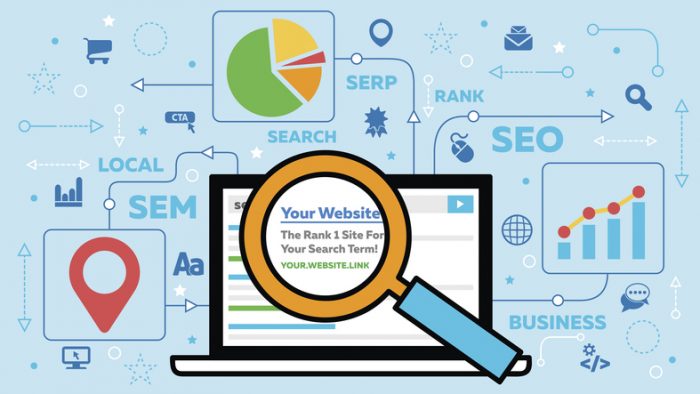
The SEO funnel is a systematic approach to attract, engage, and convert potential customers through organic search. It involves optimizing each stage of the customer journey to ensure that your ecommerce platform is easily discoverable and provides value at every step.
Stages of the SEO Funnel for Ecommerce
The SEO funnel consists of four main stages: Awareness, Consideration, Decision, and Loyalty. Each stage requires specific strategies to nurture leads and encourage conversions.
Awareness Stage
In the Awareness stage, potential customers become aware of your brand. This is where you capture their interest through targeted keywords, engaging content, and strong online presence. Utilizing voice commerce SEO can be particularly effective in this stage.
Consideration Stage
During the Consideration stage, prospects evaluate their options. Providing detailed product descriptions, reviews, and comparison guides can help sway their decision in your favor. Implementing ecommerce SEO best practices ensures that your products stand out in search results.
Decision Stage
At the Decision stage, prospects are ready to make a purchase. Streamlining the checkout process, offering promotions, and ensuring a seamless user experience are crucial. Learn about SEO A/B testing for optimizing conversion rates.
Loyalty Stage
Finally, the Loyalty stage focuses on retaining customers. Encourage repeat purchases through personalized marketing, loyalty programs, and exceptional customer service. Explore strategies for SEO vs paid traffic to maintain engagement.
Creating Optimized Content
Content is king in the digital realm. Creating high-quality, relevant content tailored to each stage of the funnel is vital. This includes blog posts, product pages, and landing pages that utilize keywords effectively.
Keyword Research
Conduct thorough keyword research to identify terms that resonate with your audience and align with their search intent. Tools like Google’s Keyword Planner and SEMrush can aid in uncovering valuable keywords.
Content Types
Utilize a mix of content types, including informative blogs, engaging videos, and interactive infographics, to keep your audience engaged and informed. Consider using split testing titles for maximum impact.
Technical SEO for Ecommerce
Technical SEO ensures that your ecommerce site is easily accessible to search engines and provides a smooth user experience. Focus on improving site speed, mobile responsiveness, and structured data.
Site Speed
Optimize images, leverage browser caching, and minimize code to enhance site speed. A fast-loading site can significantly improve user experience and search rankings.
Mobile Responsiveness
With mobile commerce on the rise, ensuring your site is mobile-friendly is crucial. Responsive design and mobile optimization are key factors for success.
Link Building Strategies
Building a strong backlink profile is essential for improving your site’s authority and search visibility. Focus on acquiring high-quality, relevant backlinks from reputable sources.
Guest Blogging
Contribute guest posts to industry-related blogs to gain exposure and build valuable backlinks. This enhances your brand’s credibility and expands your reach.
Measuring Success
Track the performance of your SEO funnel using analytics tools. Monitor key metrics such as organic traffic, conversion rates, and keyword rankings to assess the effectiveness of your strategies.
Analytics Tools
Utilize tools like Google Analytics and Google Search Console to gain insights into your site’s performance and identify areas for improvement.
Continuous Optimization
SEO is an ongoing process. Continuously optimize your strategies based on data insights and industry trends to stay ahead of the competition.
FAQ
Q: What is an SEO funnel for ecommerce?
A: An SEO funnel for ecommerce is a strategy that aims to attract, engage, and convert potential customers through organic search, optimizing each stage of the customer journey.
Q: How can I improve my ecommerce site’s SEO?
A: Improve your ecommerce site’s SEO by conducting keyword research, creating high-quality content, optimizing technical aspects, and building a strong backlink profile.
Q: Why is content important in an SEO funnel?
A: Content is crucial in an SEO funnel as it provides value to potential customers at each stage, guiding them from awareness to conversion.
9, Jul 2025
SEO Meta Tags for Ecommerce: A Guide for Small Businesses
In the bustling world of online commerce, understanding SEO meta tags for ecommerce can significantly impact your store’s visibility and success. If you’re a small business owner, optimizing your meta tags is crucial for attracting potential customers and enhancing your online presence.
Meta tags are snippets of text that describe a page’s content. They don’t appear on the page itself but in the page’s code. Their primary function is to help search engines understand the page content, which is essential for ranking in search results. By mastering the art of meta tags, you can boost your ecommerce site’s visibility.

What Are SEO Meta Tags?
SEO meta tags are HTML elements that provide information about a webpage to search engines and visitors. These tags help define how your content appears in search engine results, influencing click-through rates and traffic. For ecommerce, these tags are vital in showcasing your products effectively.
Types of Meta Tags
There are several types of meta tags to consider:
- Title Tags: These are crucial for SEO. They appear as the clickable headline in search results and should be descriptive yet concise.
- Description Tags: These provide a summary of the page content. A compelling description can increase the likelihood of a click.
- Keyword Tags: Although less important than they used to be, they can still help with internal search engines.
- Robots Meta Tags: These instruct search engines on how to index the page.
Importance of Title Tags in Ecommerce
Title tags are perhaps the most important meta tag. They are the first impression of your page and play a significant role in SEO. An effective title tag for an ecommerce page should include the product name and a unique selling point, making it irresistible for users to click.
Crafting Effective Description Tags
Your description tags should be informative and enticing. They need to summarize the content in a way that makes the user want to visit your page. This is your chance to stand out from competitors.
How to Use Keyword Tags Effectively
While keyword tags are not as critical as they once were for Google, they can still be useful. Use them to target specific, less competitive keywords that are relevant to your products.
Implementing Robots Meta Tags
With robots meta tags, you can control how search engines index your site. This is particularly useful for ecommerce sites with numerous product pages, ensuring that only the most relevant pages are indexed.
Best Practices for Ecommerce SEO Meta Tags
Here are some best practices to follow:
- Keep title tags under 60 characters.
- Ensure meta descriptions are between 150-160 characters.
- Use primary keywords naturally.
- Write for humans first, search engines second.
- Regularly update your tags to reflect changes in your products or services.
Common Mistakes to Avoid
Some common pitfalls include using duplicate meta tags, keyword stuffing, and neglecting to update tags. Avoid these to maintain a healthy SEO strategy.
Advanced Tips for Small Businesses
Small businesses should focus on localization in their meta tags to attract local customers. Additionally, consider using structured data to enhance your search visibility further.
Tools for Managing Meta Tags
There are several tools available to help manage your SEO meta tags. Tools like Yoast SEO for WordPress can simplify the process, ensuring your tags are optimized for search engines.
Case Study: Successful Ecommerce Meta Tags
Consider a small business that revamped its SEO meta tags. By focusing on unique, keyword-rich title and description tags, they saw a 25% increase in traffic within three months.
Conclusion
Optimizing SEO meta tags for ecommerce is an essential step for any small business looking to thrive online. By understanding and implementing effective meta tags, you can significantly improve your site’s visibility and attract more customers. For further reading, consider exploring resources like Google’s SEO Starter Guide.

FAQ
What are SEO meta tags?
SEO meta tags are HTML elements that provide information about a webpage to search engines and visitors. They help define how your content appears in search engine results.
Why are title tags important?
Title tags are important because they are the first impression of your page in search results. They play a significant role in SEO and influence click-through rates.
How can I improve my ecommerce site’s SEO?
Improve your ecommerce site’s SEO by optimizing your meta tags, using relevant keywords, and regularly updating your content. Explore tools and plugins that can assist in managing your SEO strategies. Check out our article on SEO-friendly ecommerce URLs for more insights.
9, Jul 2025
Voice Search Optimization Ecommerce: A Key to Online Success
In the fast-paced world of ecommerce, staying ahead of technological trends is crucial for businesses. One such trend that has gained significant traction is voice search optimization. With the rise of voice-activated devices and virtual assistants, understanding how to optimize for voice search can provide a competitive edge. This article delves into the intricacies of voice search optimization ecommerce to help businesses thrive in the digital age.

Understanding Voice Search in Ecommerce
Voice search is revolutionizing how consumers interact with technology. Instead of typing queries, users are now speaking them, making the process faster and more convenient. For ecommerce businesses, this means adapting to a new way of capturing customer interest.
The Rise of Voice-Activated Devices
Devices like Amazon Echo, Google Home, and Apple’s Siri have become household staples. As these devices grow in popularity, so does the use of voice search. According to a Shopify report, nearly 40% of adults now use voice search daily.
Why Voice Search Matters for Ecommerce
For ecommerce, voice search is not just a trendit’s a necessity. It changes the way consumers search for products and how they make purchasing decisions. Businesses that ignore this shift risk being left behind.
Strategies for Voice Search Optimization
Focusing on Natural Language
When optimizing for voice search, businesses need to consider how people speak. Unlike text-based searches, voice queries are often more conversational. This requires a shift in the way SEO is approached, emphasizing natural language and long-tail keywords.
Improving Ecommerce Product Pages
Product pages should be optimized to answer common voice queries. This includes providing detailed product information and using SEO-friendly URLs (learn more at SEO pages).
Utilizing Structured Data
Structured data helps search engines understand content better, making it crucial for voice search. Implementing schema markup can improve visibility and ranking in voice search results.
The Impact of Voice Search on SEO
Shifting SEO Tactics
The rise of voice search demands a reevaluation of traditional SEO strategies. Businesses must adapt to longer, more conversational queries. This means optimizing for questions and focusing on providing concise, relevant answers.
Mobile Optimization
As voice search is predominantly mobile-driven, ensuring your website is mobile-friendly is essential. Fast loading times and responsive design play a critical role in improving voice search SEO.
Challenges of Voice Search Optimization
Adapting to New Algorithms
Search engines are continually evolving their algorithms to better cater to voice search. Staying updated with these changes is vital for maintaining a competitive edge in ecommerce.
Creating Quality Content
Content that answers specific voice queries clearly and concisely will perform better in voice search results. This requires a focus on quality over quantity.
Future of Voice Search in Ecommerce
Growing Importance
As voice search continues to grow, its impact on ecommerce will only increase. Businesses that prioritize voice search optimization now will be well-positioned for future success.
Integration with AI
AI advancements will further enhance the capabilities of voice search, making it even more integral to ecommerce operations.
Conclusion
Incorporating voice search optimization into ecommerce strategies is no longer optionalit’s essential. By understanding and implementing the strategies outlined in this article, businesses can ensure they are at the forefront of this technological revolution.
FAQs
What is voice search optimization?
Voice search optimization involves adjusting content and SEO strategies to cater to voice queries, focusing on natural language and conversational search patterns.
How does voice search impact ecommerce?
Voice search changes how consumers search and shop online, requiring businesses to adapt their SEO strategies to capture these queries effectively.
Why is mobile optimization important for voice search?
Since voice search is primarily conducted on mobile devices, ensuring fast and responsive mobile sites is crucial for capturing voice search traffic.
8, Jul 2025
Infographics for Ecommerce SEO: Boost Your Online Presence
In the dynamic world of digital marketing, infographics for ecommerce SEO have emerged as a powerful tool to enhance your online presence. As a small business, leveraging the potential of infographics can significantly improve your organic traffic and lead to higher engagement rates. This article aims to delve into how you can effectively use infographics to optimize your ecommerce SEO strategy.
Understanding the Importance of Infographics
Infographics combine visual elements with concise text to convey information in an easily digestible format. They are particularly effective in the ecommerce sector, where attention spans are short, and competition is fierce. Infographics can help simplify complex concepts, making them more appealing to your target audience.
Why Infographics Matter in SEO
The use of infographics can boost your SEO efforts by encouraging backlinks, increasing time spent on your site, and improving user engagement. These factors are crucial for search engine ranking algorithms, which prioritize websites that offer valuable and engaging content.
Creating Engaging Infographics
Creating an engaging infographic involves several key steps. First, identify the core message you want to convey and gather relevant data to support it. Next, design your infographic with a focus on clarity and visual appeal. Using tools like Canva or Adobe Spark can simplify the design process.
Design Tips for Effective Infographics
When designing infographics, keep the layout simple and the color scheme consistent. Use icons and illustrations to break up text and highlight key points. Ensure that your infographic is mobile-friendly, as a significant portion of web traffic comes from mobile devices.
Optimizing Infographics for SEO
To optimize your infographics for SEO, make sure to include alt text, descriptive file names, and relevant keywords. These elements help search engines understand the content of your infographic, improving its visibility in search results.
Using Keywords Effectively
Incorporate keywords strategically within your infographic to enhance its searchability. Focus on long-tail keywords that are specific to your niche, as they often have less competition and higher conversion rates.
Promoting Your Infographics
Once your infographic is ready, promote it across various platforms to maximize its reach. Share it on social media, include it in blog posts, and submit it to infographic directories. Encourage others to share it by including an embed code on your website.
Social Media Strategies
Using platforms like Pinterest and Instagram can be particularly effective for promoting infographics. These platforms are visually oriented, making them ideal for showcasing your infographic to a broader audience.
Measuring the Impact of Infographics
To assess the impact of your infographics, track metrics such as website traffic, time spent on page, and social media engagement. These metrics provide insights into how well your infographic resonates with your audience and its contribution to your SEO efforts.
Analyzing Engagement Metrics
Use tools like Google Analytics to monitor engagement metrics. Pay attention to metrics like bounce rate and conversion rate, as these can indicate how effectively your infographic is driving desired actions on your website.
Challenges and Solutions in Infographic SEO
While infographics are a powerful SEO tool, they come with challenges. Ensuring that your infographic is accessible to search engines and users with disabilities is crucial. Use descriptive alt text and provide a text-only version of the infographic when possible.
Overcoming Common Obstacles
One common challenge is ensuring that your infographic is mobile-friendly. Use responsive design techniques to ensure that your infographic displays correctly on all devices. Additionally, keep file sizes small to reduce load times.
Case Studies: Successful Infographic Campaigns
Examining successful infographic campaigns can provide valuable insights. Many businesses have seen significant increases in traffic and engagement by effectively using infographics. These case studies highlight the potential of infographics to enhance your SEO strategy.
Lessons Learned from Industry Leaders
Learn from industry leaders who have successfully used infographics to boost their SEO. These examples demonstrate the importance of creativity, data-driven insights, and strategic promotion in achieving success.
Conclusion: The Future of Infographics in Ecommerce SEO
As the digital landscape continues to evolve, infographics will remain a valuable asset for ecommerce businesses. By creating compelling, data-driven visuals, small businesses can enhance their SEO efforts and stand out in a crowded market.
Embracing Innovation
Embrace the potential of infographics to tell your brand’s story and engage your audience. As consumer preferences shift towards visual content, infographics offer a unique opportunity to connect with your audience and drive meaningful results.
FAQ Section
What are infographics, and why are they important for ecommerce SEO?
Infographics are visual representations of information designed to make complex data more accessible. They are important for ecommerce SEO because they enhance user engagement and encourage sharing, leading to improved search rankings.
How can I create effective infographics for my ecommerce website?
To create effective infographics, focus on clear messaging, compelling visuals, and strategic keyword placement. Use design tools like Canva to simplify the creation process and ensure your infographics are mobile-friendly.
What metrics should I track to measure the success of my infographics?
Track metrics such as website traffic, time spent on page, social media shares, and conversion rates to measure the success of your infographics. These metrics provide insights into user engagement and the overall impact on your SEO strategy.
For further reading on ecommerce SEO, visit Google’s Ecommerce SEO Guide.
Additionally, explore how Voice Commerce is influencing SEO strategies in ecommerce today.

8, Jul 2025
Google Search Console for Ecommerce: A Guide for Businesses
For small businesses venturing into the realm of online selling, understanding how to utilize Google Search Console for ecommerce can be a game-changer. This tool is essential for anyone looking to enhance their website’s visibility, monitor its performance, and ultimately drive more traffic and sales.

What is Google Search Console?
Google Search Console is a free tool provided by Google that allows website owners to monitor their site’s presence in Google search results. It’s particularly beneficial for ecommerce businesses as it provides insights into how Google’s search engine views your site.
Why Ecommerce Businesses Need It
For ecommerce platforms, Google Search Console offers vital information on search traffic and performance. It can help identify issues affecting your site’s search engine rankings, which is crucial for maintaining and improving your online visibility.
Setting Up Google Search Console
Setting up Google Search Console for your ecommerce site is a straightforward process. Once you verify your site ownership, you unlock access to a wealth of data about how your website is performing on Google search.
Verification Process
The verification process involves confirming that you own the website you’re adding to the Google Search Console. This can be done via several methods, including HTML file upload, domain name provider, or Google Analytics.
Analyzing Performance Data
One of the primary advantages of using Google Search Console is the ability to analyze your website’s performance data. This includes tracking how often your site appears in Google search results, the number of clicks, and the average position of your keywords.
Understanding Click-Through Rates
Your site’s click-through rate (CTR) is a critical metric. It measures the percentage of users who click on your site after seeing it in search results. Improving your CTR can lead to more visitors and potential sales.
Identifying and Fixing Issues
Google Search Console provides insights into technical issues that may be affecting your site’s performance. Common issues include mobile usability problems, broken links, and server errors. Resolving these can improve your site’s overall performance.
Mobile Usability
With more users accessing websites from mobile devices, ensuring your ecommerce site is mobile-friendly is crucial. Google Search Console offers tools to identify and fix mobile usability issues.
Enhancing Ecommerce SEO
Effective use of Google Search Console can significantly enhance your ecommerce SEO strategy. By analyzing the data and insights provided, you can optimize your website for better performance in search engine results.
Using Keywords Effectively
Keywords are the backbone of SEO. By identifying which keywords are driving traffic to your site, you can tailor your content and product descriptions to match search intent more closely.
Integration with Other Tools
Integrating Google Search Console with other tools like Google Analytics can provide a more comprehensive view of your site’s performance and user behavior.
Google Analytics
By linking Google Search Console with Google Analytics, you gain access to more detailed data about how users interact with your site, helping you make informed decisions to improve your ecommerce strategy.
Regular Monitoring and Updates
Regularly monitoring your Google Search Console data is essential for keeping your site optimized. It allows you to stay ahead of potential issues and adapt to changes in search engine algorithms.
Algorithm Changes
Google frequently updates its search algorithms. Staying informed about these changes and adjusting your strategy accordingly can help maintain your site’s search engine ranking.
Conclusion
Utilizing Google Search Console for ecommerce is not just beneficial; it’s essential for any business aiming to succeed online. By leveraging the insights and tools provided, businesses can enhance their SEO efforts, increase visibility, and drive more sales.
FAQs
What is the main benefit of using Google Search Console for ecommerce?
The main benefit is gaining insights into how your site performs in search results, allowing you to optimize for better visibility and traffic.
How often should I check my Google Search Console data?
It’s recommended to check your data regularly, at least once a month, to stay on top of potential issues and performance trends.
Can Google Search Console help improve my site’s SEO?
Yes, by providing data on keywords, site performance, and technical issues, it helps you make informed decisions to improve your site’s SEO.
For more in-depth resources on ecommerce SEO, you can visit Yoast’s guide on Ecommerce SEO. Additionally, delve into strategies for optimizing your ecommerce content with SEO A/B testing and learn how to effectively create content with a pillar content strategy.

8, Jul 2025
SEO for Physical Product Stores: Boost Your Online Presence
In today’s digital age, having a strong online presence is crucial, especially for physical product stores. A strategic approach to SEO for physical product stores can significantly enhance visibility, attract more customers, and ultimately increase sales. This article explores the various strategies and techniques that can help your store stand out in the crowded online marketplace.

Understanding SEO for Physical Product Stores
Before diving into strategies, it’s essential to understand what SEO means for physical product stores. SEO, or Search Engine Optimization, is the process of improving your website’s visibility on search engines like Google. For physical product stores, this means optimizing your online presence to attract more local and global customers.
The Importance of Local SEO
Local SEO is crucial for physical stores as it helps you reach customers in your vicinity. By optimizing for local search terms, you can appear in search results when potential customers look for products near them.
Keyword Research for Physical Stores
Conducting keyword research helps you understand what potential customers are searching for. Use tools like Google Keyword Planner to find relevant keywords for your products and location.
Optimizing Your Website
Your website is the cornerstone of your online presence. Ensure it’s optimized for search engines by following these tips:
Mobile Optimization
With more people using smartphones to shop, having a mobile-friendly website is crucial. Ensure your site is responsive and loads quickly on all devices.
Product Descriptions and Titles
Write detailed and unique product descriptions. Use relevant keywords naturally, and include them in product titles.
SEO-Friendly URLs
Ensure your URLs are clean and descriptive. Avoid using complex strings of numbers and characters.
Leveraging Content Marketing
Content marketing is a powerful tool for building your brand and boosting SEO. Consider these strategies:
Blogging
Start a blog to share industry news, product updates, and tips. This not only attracts more visitors but also establishes your store as an authority in your niche.
Visual Content
Use high-quality images and videos to showcase your products. Visual content is engaging and can improve your site’s SEO.
Building Backlinks
Backlinks are links from other websites to yours. They are crucial for SEO as they indicate your site’s credibility to search engines.
Guest Posting
Write guest posts for reputable blogs in your industry. This helps you reach a wider audience and earn valuable backlinks.
Partner with Influencers
Collaborate with influencers to promote your products. They can provide backlinks and increase your store’s reach.
Utilizing Social Media
Social media platforms are excellent for promoting your products and driving traffic to your website.
Engage with Customers
Interact with your audience on platforms like Facebook, Instagram, and Twitter. Respond to comments and messages promptly.
Share User-Generated Content
Encourage customers to share photos of your products. Share these on your social media channels to build community and trust.
Analyzing and Improving SEO Performance
Regularly analyze your SEO performance to identify areas for improvement.
Use Analytics Tools
Tools like Google Analytics can help you track your website’s performance. Look at metrics like traffic, bounce rate, and conversion rate.
Regularly Update Content
Keep your website content fresh and relevant. Regular updates can improve your SEO rankings.
For more information on improving your ecommerce store’s SEO, consider checking out ecommerce SEO strategies from industry experts.
Conclusion
Implementing effective SEO strategies is vital for the success of physical product stores. By optimizing your website, leveraging content marketing, building backlinks, and utilizing social media, you can improve your online visibility and attract more customers.
FAQ
What is local SEO, and why is it important?
Local SEO helps physical stores appear in local search results, attracting nearby customers.
How can I improve my website’s mobile optimization?
Ensure your site is responsive and loads quickly on all devices for better mobile optimization.
Why are backlinks important for SEO?
Backlinks indicate your site’s credibility to search engines, improving your search rankings.
To delve deeper into related topics, explore our articles on SEO issues with Shopify and voice commerce and SEO.

8, Jul 2025
Content Strategy Framework: Your Guide To Success
Creating a successful content strategy framework is essential for any small business aiming to thrive in today’s competitive digital landscape. This framework serves as a comprehensive guide, helping businesses plan, develop, and manage their content effectively. In this article, we’ll explore the key components of a content strategy framework, why it’s crucial, and how small businesses can benefit from implementing it.

Understanding the Content Strategy Framework
The content strategy framework is a structured plan that outlines how content will be created, managed, and delivered. It ensures that every piece of content aligns with the business goals, resonates with the target audience, and provides value. A well-structured framework includes various elements such as audience analysis, content creation, distribution channels, and performance measurement.
Key Elements of a Content Strategy Framework
Audience Analysis
Knowing your audience is the foundation of any successful content strategy. By understanding their needs, preferences, and behaviors, you can create content that truly resonates with them. This involves conducting market research, creating buyer personas, and analyzing customer feedback.
Content Creation
Content creation is at the heart of the content strategy framework. It involves developing high-quality, relevant, and engaging content that addresses the needs of your audience. This includes blog posts, videos, infographics, and more. The key is to maintain consistency and align the content with your brand voice and message.
Distribution Channels
Choosing the right distribution channels is crucial for reaching your target audience effectively. This could include social media platforms, email newsletters, or your website. Identifying the most suitable channels ensures that your content reaches the right people at the right time.
Performance Measurement
Measuring the performance of your content strategy is vital for continuous improvement. This involves analyzing key metrics such as website traffic, engagement rates, and conversion rates. By evaluating these metrics, you can identify what’s working and make data-driven decisions to enhance your strategy.
Why Small Businesses Need a Content Strategy Framework
For small businesses, a content strategy framework is not just an option; it’s a necessity. Here’s why:
Building Brand Awareness
By consistently delivering valuable content, small businesses can increase their visibility and establish themselves as industry leaders. This helps build trust and credibility with potential customers.
Driving Organic Traffic
Implementing a well-structured content strategy can significantly boost organic traffic to your website. By optimizing content for search engines, businesses can attract more visitors and potential customers.
Enhancing Customer Engagement
Engaging content encourages interaction and fosters a sense of community among your audience. This leads to higher customer retention and loyalty, ultimately driving sales and revenue.
Steps to Develop a Content Strategy Framework
Define Your Goals
Start by setting clear and measurable goals for your content strategy. Whether it’s increasing brand awareness, driving traffic, or generating leads, having defined objectives will guide your efforts.
Conduct an Audit
Perform a content audit to evaluate your existing content. Identify what’s working well and what needs improvement. This will help you align future content with your goals and audience needs.
Create a Content Plan
Develop a comprehensive content plan that outlines the types of content you’ll create, the topics you’ll cover, and the schedule for publishing. This plan should align with your business goals and audience preferences.
Implement and Monitor
Once your content strategy framework is in place, start implementing it and monitor the results. Use analytics tools to track performance and make adjustments as needed.
The Role of SEO in Content Strategy
Search Engine Optimization (SEO) plays a crucial role in the success of a content strategy framework. By optimizing content for relevant keywords, businesses can improve their search engine rankings and increase visibility.
Keyword Research
Conduct thorough keyword research to identify the terms your audience is searching for. This will guide your content creation and ensure that your content aligns with search intent.
On-Page Optimization
Optimize your content for on-page SEO by using relevant keywords in titles, headings, and throughout the content. Additionally, ensure that your website is user-friendly and mobile-responsive.
Link Building
Building high-quality backlinks is essential for improving your website’s authority and search engine rankings. Focus on acquiring links from reputable sources within your industry.
Common Challenges and How to Overcome Them
While implementing a content strategy framework, businesses may encounter challenges. Here are some common obstacles and how to overcome them:
Resource Limitations
Small businesses often have limited resources for content creation. To overcome this, prioritize quality over quantity and focus on creating evergreen content that remains relevant over time.
Keeping Up with Trends
The digital landscape is constantly evolving, and staying updated with the latest trends can be challenging. To stay ahead, regularly conduct market research and be open to experimenting with new content formats.
Measuring ROI
Measuring the return on investment (ROI) of your content strategy can be complex. To address this, use analytics tools to track key performance indicators (KPIs) and adjust your strategy based on data insights.
Conclusion
In conclusion, a well-designed content strategy framework is a powerful tool for small businesses aiming to succeed in the digital world. By understanding the key elements and implementing effective strategies, businesses can build brand awareness, drive organic traffic, and engage their audience. Start developing your content strategy framework today and unlock the potential for growth and success.

FAQs
Q: What is a content strategy framework?
A: A content strategy framework is a structured plan that outlines how content will be created, managed, and delivered to achieve business goals.
Q: Why is a content strategy framework important for small businesses?
A: A content strategy framework helps small businesses build brand awareness, drive traffic, and engage their audience effectively.
Q: How can I measure the success of my content strategy?
A: Use analytics tools to track key performance indicators (KPIs) such as website traffic, engagement, and conversion rates to measure the success of your content strategy.

8, Jul 2025
Local SEO Success Stories: Inspiring Journeys for Small Businesses
In the dynamic world of digital marketing, Local SEO stands as a beacon for small businesses aiming to thrive in their communities. By mastering Local SEO tactics, businesses can significantly enhance their online visibility, attracting more customers and driving growth. This article delves into real-life Local SEO success stories, showcasing how companies have leveraged these strategies to achieve remarkable results. Through their experiences, we aim to inspire other small businesses to embark on their own Local SEO journeys.

Understanding Local SEO
Before diving into the success stories, it’s crucial to understand what Local SEO entails. Local SEO refers to optimizing a business’s online presence to attract more customers from relevant local searches. This involves improving visibility on search engines, especially for geographically-related searches. To get started, businesses can explore our guide on Getting Started with Local SEO.
The Power of Local SEO
The impact of Local SEO on small businesses is profound. It not only helps in boosting search engine rankings but also builds a loyal customer base. With the right techniques, businesses can achieve a significant return on investment. For instance, understanding the Cost of Local SEO Services can help in planning effective strategies.
Story 1: The Bakery That Rose to Fame
Consider the story of a quaint bakery in Austin, Texas. By optimizing their Google My Business profile and encouraging customer reviews, they saw a 400% increase in foot traffic within six months. Their success was further amplified by leveraging maps for SEO, as detailed in our article on Leveraging Maps for SEO.
Story 2: A Gyms Transformative Journey
Another inspiring example is a local gym that utilized Local SEO to increase membership by 50%. They focused on creating location-specific content and utilized video marketing to engage potential clients. For gyms looking to follow this path, our piece on Local SEO for Gyms offers valuable insights.
Key Elements of Local SEO Success
Optimizing Google My Business
Creating and maintaining a robust Google My Business page is crucial. It helps businesses manage their online presence across Google, including Search and Maps. Accurate information and engaging content are vital components.
Embracing Customer Reviews
Positive reviews are a powerful tool in Local SEO. They enhance credibility and influence potential customers’ decisions. Encouraging satisfied customers to leave reviews should be an integral part of any Local SEO strategy.
Common Local SEO Mistakes to Avoid
While there are numerous paths to success, there are also pitfalls to avoid. Businesses should be wary of common mistakes such as inconsistent NAP (Name, Address, Phone Number) information and neglecting mobile optimization. For more details, refer to this comprehensive guide on Common Local SEO Mistakes.
The Role of Content in Local SEO
Content plays a pivotal role in Local SEO. Producing relevant, location-focused content helps in attracting and retaining a local audience. This includes blog posts, local news, and community events.
Utilizing Social Media
Social media platforms are excellent venues for promoting local content and engaging with the community. Regular updates and interactions can significantly boost a business’s local presence.
Future of Local SEO
The future of Local SEO is promising, with continuous advancements in technology and consumer behavior. Businesses must stay updated with the latest trends and adapt to changes such as voice search and AI-driven optimization.
Conclusion
The success stories of businesses thriving through Local SEO are a testament to its power and efficacy. By embracing these strategies, small businesses can carve out a significant niche in their local markets, leading to sustained growth and success. We encourage businesses to take inspiration from these stories and embark on their own Local SEO journey today.

FAQs
What is the importance of Google My Business in Local SEO?
Google My Business is crucial as it helps businesses manage their online appearance in Google Search and Maps, making them more accessible to potential customers.
How can small businesses benefit from Local SEO?
Small businesses can benefit from increased visibility, higher search rankings, and a stronger local customer base, leading to increased sales and growth.
What are common mistakes in Local SEO?
Common mistakes include inconsistent NAP information, neglecting mobile optimization, and failing to encourage customer reviews.

7, Jul 2025
Podcasts as Content Marketing: A Strategy for Success
In todays digital landscape, businesses are constantly searching for innovative ways to connect with their audience. One such method gaining popularity is using podcasts as content marketing. This approach not only helps in building brand awareness but also establishes a strong connection with listeners. For small businesses, the integration of podcasts into their content marketing strategy can be a game-changer.

Why Choose Podcasts for Marketing?
Podcasts offer a unique, intimate form of communication. As more individuals seek convenient, on-the-go content, the popularity of podcasts has surged. Unlike traditional media, podcasts allow for a more personal touch, fostering a loyal audience base. Utilizing podcasts as content marketing enables businesses to tap into this growing trend, providing valuable content that resonates with listeners.
Understanding the Audience
Before launching a podcast, its essential to understand your target audience. What are their interests? What content do they find valuable? Answering these questions will help tailor your podcast to meet their needs, ensuring engagement and retention.
Creating Engaging Content
The success of a podcast hinges on its content. It should be informative, engaging, and relevant to the audience. Consider incorporating storytelling elements and guest interviews to diversify content and maintain listener interest.
Integrating Podcasts into Your Content Strategy
Podcasts should complement your existing content strategy. They can be used to expand on topics covered in blog posts or provide updates on industry trends. This synergy not only reinforces your brand message but also enhances your overall content offering. For more insights, explore how to create a social media content calendar that supports your podcasting efforts.
Promoting Your Podcast
Once your podcast is live, promotion is key. Utilize social media platforms, email newsletters, and your website to spread the word. Engaging with listeners through comments and feedback will also help build a community around your podcast.
Measuring Success
To gauge the effectiveness of your podcast, track metrics such as downloads, listener demographics, and engagement levels. These insights will inform future content decisions and highlight areas for improvement.
Leveraging SEO for Podcasts
Optimizing your podcast for search engines can increase visibility and attract new listeners. Use long-tail keywords in your podcast titles and descriptions to improve search rankings. For further guidance, check out how to utilize long-tail keywords for blogs.
Benefits of Podcasts in Content Marketing
Podcasts offer several benefits, including increased audience engagement, enhanced brand authority, and improved customer loyalty. They provide a platform to showcase expertise, share insights, and connect with listeners on a personal level. For additional benefits, consider reading this article on the advantages of content marketing.
Case Studies: Successful Podcast Marketing
Looking at successful cases can provide inspiration and insights. For instance, companies that have integrated podcasts into their marketing strategy have experienced growth in both brand awareness and customer engagement.
Challenges and Solutions
While podcasts offer numerous benefits, they also come with challenges such as content consistency and technical complexities. Planning and utilizing the right tools can mitigate these challenges, ensuring a smooth production process.
Future of Podcasting in Marketing
The future of podcasting is bright, with more businesses recognizing its potential. As technology advances, podcasts will continue to evolve, offering even more innovative ways to engage audiences.
Conclusion
For small businesses looking to enhance their content marketing strategy, podcasts offer a valuable opportunity. By understanding the audience, creating engaging content, and promoting effectively, businesses can harness the power of podcasts as content marketing to achieve significant growth.

FAQ
How do podcasts benefit small businesses?
Podcasts provide small businesses with a platform to reach a wider audience, establish authority, and engage with customers in a personal manner.
What type of content is best for podcasts?
Content that is informative, engaging, and relevant to the target audience works best for podcasts. Incorporating storytelling and expert interviews can enhance content quality.
How can I promote my podcast effectively?
Use social media, email newsletters, and your website to promote your podcast. Engaging with listeners and encouraging feedback also helps build a community.


