



11, Jul 2025
Social Media Captions Guide: Crafting Engaging Posts for Small Businesses
In today’s digital age, social media is a powerful tool for small businesses to connect with their audience. Crafting the perfect social media captions can significantly enhance your online presence. This social media captions guide is designed to help you create engaging and effective posts that resonate with your audience and boost your brand’s visibility.

Understanding the Importance of Captions
Captions are more than just words beneath your photos; they are an opportunity to communicate with your audience. A well-crafted caption can capture attention, convey your brand’s message, and encourage interaction. In a world where users are bombarded with content, standing out requires creativity and strategy.
What Makes a Good Caption?
A good caption is one that resonates with your audience. It should be relatable, informative, and align with your brand’s voice. Use humor, ask questions, or share interesting facts to engage your followers. Remember, the goal is to create a connection.
Length Matters
While there’s no one-size-fits-all rule for caption length, it’s essential to keep it concise. Aim for clarity and avoid unnecessary fluff. A precise message is more likely to be read and understood.
Incorporate Hashtags
Hashtags are crucial for increasing your visibility. They categorize your content and make it discoverable to a broader audience. Use relevant hashtags to reach users interested in your niche.
Tips for Crafting Engaging Captions
Know Your Audience
Understanding your audience is key to creating content that resonates. What are their interests? What kind of language do they use? Tailor your captions to reflect their preferences and engage them effectively.
Be Authentic
Authenticity fosters trust. Be genuine in your captions and let your brand’s personality shine through. This helps build a loyal community around your brand.
Use a Call-to-Action
Encourage your audience to take action by including a call-to-action in your captions. Whether it’s visiting your website, sharing their thoughts, or participating in a contest, a clear call-to-action can drive engagement.
Creating Captions for Different Platforms
Instagram is a visual platform, and your captions should complement your images. Use emojis, line breaks, and hashtags to make your captions visually appealing. Engage your followers by asking questions or sharing stories.
On Facebook, longer captions can be effective. Share detailed stories or insights that encourage comments and shares. Use a conversational tone to connect with your audience.
Twitter’s character limit requires brevity. Craft concise and impactful captions. Use hashtags and mentions to increase your content’s reach.
Measuring the Success of Your Captions
Analyzing the performance of your captions is crucial. Track metrics like engagement rates, click-through rates, and shares to gauge their effectiveness. Adjust your strategy based on what’s working best.
Common Mistakes to Avoid
Overusing hashtags, neglecting proofreading, and failing to engage with your audience are common pitfalls. Ensure your captions are error-free and encourage interaction.
Tools for Crafting Captions
Several tools can help streamline your caption creation process. Tools like Grammarly for grammar checks and Canva for designing visually appealing posts can enhance your captions.

FAQs
How often should I post on social media?
Consistency is key. Aim to post regularly, but focus on quality over quantity. Analyze your audience’s activity to determine the best posting times.
What is the ideal caption length?
The ideal length varies by platform, but concise and engaging captions generally perform well. Adapt your length based on your audience’s preferences.
Can I use the same caption across all platforms?
While it’s tempting to use the same caption, tailor your captions to fit each platform’s unique audience and style.
For more insights on crafting engaging content, check out Content Calendar Tips and Steps in Content Strategy.
Explore the value of content marketing at Content Marketing Value.
- 0
- By Jennifer R.


11, Jul 2025
Image CDN for Ecommerce: Boost Your Online Store Performance
In the fast-paced world of ecommerce, the speed and quality of images can significantly impact your online store’s performance. By incorporating an Image CDN for ecommerce, businesses can enhance their stores speed, improve user experience, and increase conversion rates. This article delves into the importance of using an Image CDN and how it can benefit your ecommerce platform.

What is an Image CDN?
An Image CDN, or Content Delivery Network, is a system of distributed servers that deliver images to users based on their geographic location. This means that images load faster because they are served from a server closer to the user, reducing latency and improving load times.
Why is Image CDN Important for Ecommerce?
For ecommerce websites, images are a crucial part of the user experience. High-quality images can showcase products effectively, but they can also slow down your website if not optimized. An Image CDN helps in optimizing image delivery, ensuring that your website remains fast and responsive even with large image files.
Enhancing User Experience
With an Image CDN, users experience faster load times, reducing bounce rates. Faster websites keep users engaged, leading to higher chances of conversion and customer satisfaction.
Improving Website Speed
Website speed is a critical factor in ecommerce SEO and overall performance. By serving images through a CDN, the load on the main server decreases, allowing your website to load quicker and handle more traffic efficiently.
How Does an Image CDN Work?
An Image CDN works by caching images on servers located around the world. When a user requests an image, the CDN serves it from the nearest server, ensuring that the image loads quickly. This process reduces the strain on your main server and speeds up image delivery.
Key Features of Image CDNs
- Global Coverage: Ensures fast image delivery regardless of user location.
- Image Optimization: Automatically compresses and optimizes images for faster loading.
- Scalability: Easily handles high traffic volumes, ensuring consistent performance.
Benefits of Using an Image CDN for Ecommerce
Using an Image CDN provides numerous benefits for ecommerce businesses, including:
Faster Load Times
As mentioned, faster load times are crucial for keeping users engaged. A CDN ensures that images load quickly, improving user experience and reducing bounce rates.
Increased SEO Ranking
Search engines prioritize fast-loading websites. By using a CDN, your ecommerce site can achieve better SEO rankings, leading to increased visibility and traffic. For more insights, check out this SEO guide.
Reduced Server Load
By offloading image delivery to a CDN, the load on your main server decreases, allowing it to handle more requests efficiently. This is particularly beneficial during peak traffic times.
Improved Security
CDNs often include security features such as DDoS protection and secure data transfer, enhancing the overall security of your ecommerce platform.
Choosing the Right Image CDN
When selecting an Image CDN for your ecommerce site, consider factors such as cost, features, and ease of integration. Conducting SEO A/B testing can help you determine the best solution for your specific needs.
Popular Image CDN Providers
- Cloudflare
- Amazon CloudFront
- Fastly
Integrating an Image CDN with Your Ecommerce Platform
Integrating a CDN with your ecommerce platform is typically straightforward. Most CDNs offer plugins or integrations for popular ecommerce platforms such as Shopify, Magento, and WooCommerce.
Step-by-Step Integration
Heres a general guide to integrating an Image CDN:
- Choose a CDN provider.
- Sign up and configure your account.
- Integrate the CDN with your ecommerce platform.
- Test the integration to ensure images are delivered via the CDN.
Monitoring and Maintaining Your Image CDN
Once integrated, its essential to monitor and maintain your Image CDN to ensure optimal performance. Regularly check for updates, monitor load times, and adjust settings as needed to keep your CDN running smoothly.
Conclusion
Implementing an Image CDN for ecommerce is a strategic move that can significantly enhance your online stores performance, improve user experience, and boost SEO rankings. By understanding how an Image CDN works and choosing the right provider, you can ensure your ecommerce site remains competitive in today’s digital marketplace.

FAQs
What is an Image CDN?
An Image CDN is a network of servers that delivers images to users based on their geographic location, improving load times and user experience.
How does an Image CDN improve SEO?
By reducing image load times, a CDN improves website speed, which is a factor in SEO rankings. Faster websites are favored by search engines.
Can I use an Image CDN with any ecommerce platform?
Yes, most CDNs offer integrations or plugins for popular ecommerce platforms, making it easy to incorporate into your existing setup.

11, Jul 2025
How to Use Schema for Product Reviews: A Complete Guide
In the digital era, where product reviews play a crucial role in the purchasing decisions of consumers, understanding how to use schema for product reviews is vital for enhancing your e-commerce business. Properly implementing schema markup can significantly improve your search engine visibility and ensure that your reviews reach a wider audience. Let’s dive into the details of schema markup and explore how you can make the most of it for your product reviews.

Understanding Schema Markup
Schema markup is a form of microdata that you can add to your HTML to improve the way search engines read and represent your page in SERPs. When applied to product reviews, it can enhance the appearance of your listings, making them more attractive to potential customers.
Types of Schema Markup
There are several types of schema markup, including Product, Review, and AggregateRating. Each serves a different purpose and can be used to provide search engines with detailed information about your products and reviews.
Why Schema Markup Matters for Product Reviews
Using schema for product reviews can help you stand out in search results by displaying rich snippets that include star ratings, reviewer information, and more. This not only attracts more clicks but also enhances the credibility of your products.
Boosting Click-Through Rates
Rich snippets with star ratings and reviews can significantly boost your click-through rates. By providing users with a quick overview of your product’s quality, you can encourage them to click on your link over others.
Enhancing Trust and Credibility
Displaying reviews and ratings directly in search results can enhance the trust and credibility of your brand. Consumers are more likely to purchase products with positive reviews and high ratings.
Implementing Schema for Product Reviews
Now that we understand the importance of schema markup, let’s discuss how to implement it for your product reviews. There are a few steps you need to follow to ensure proper implementation.
Identify the Schema Type
The first step is to identify the schema type that best suits your needs. For product reviews, you will typically use the Review and AggregateRating schema types.
Add Schema Markup to Your HTML
Once you’ve identified the appropriate schema type, you can add the markup to your HTML. This involves including specific tags that provide search engines with detailed information about your reviews and ratings.
Test Your Schema Markup
After adding the schema markup, it’s essential to test it to ensure it’s working correctly. You can use Google’s Rich Results Test tool to verify that your markup is properly structured and visible to search engines.
Common Mistakes to Avoid
While implementing schema for product reviews, there are some common mistakes you should avoid to ensure optimal results.
Incorrect Schema Type
Using the wrong schema type can lead to incorrect display of your reviews in search results. Make sure to choose the appropriate schema type for your product reviews.
Missing or Incorrect Data
Ensure that all required data is included in your schema markup. Missing or incorrect data can prevent search engines from properly displaying your reviews.
Benefits of Using Schema for Product Reviews
Implementing schema markup for product reviews offers numerous benefits that can enhance your online presence and boost your sales.
Improved Search Visibility
Schema markup can improve your search visibility by making your listings more attractive and informative, leading to higher click-through rates.
Increased Consumer Trust
Displaying reviews and ratings directly in search results can increase consumer trust in your brand, encouraging more purchases.
Higher Conversion Rates
By providing users with valuable information at a glance, you can increase your conversion rates and drive more sales.
Tools to Help You Implement Schema Markup
There are several tools available that can help you implement schema markup for your product reviews with ease.
Google’s Structured Data Markup Helper
Google’s Structured Data Markup Helper is a useful tool that can guide you through the process of adding schema markup to your site.
Schema.org
Schema.org provides a comprehensive list of schema types and properties that you can use to enhance your product reviews.
Conclusion
Incorporating schema for product reviews into your e-commerce strategy can significantly enhance your online visibility, boost consumer trust, and drive more sales. By understanding the types of schema markup and how to implement them, you can take full advantage of the benefits they offer.

FAQs
What is schema markup?
Schema markup is a form of microdata that helps search engines understand the content of your page and display it effectively in search results.
How does schema markup benefit e-commerce websites?
Schema markup can enhance the appearance of your product listings in search results, increase click-through rates, and boost consumer trust in your brand.
Can I implement schema markup without technical knowledge?
Yes, there are tools like Google’s Structured Data Markup Helper that can guide you through the process of adding schema markup to your site without requiring extensive technical knowledge.

10, Jul 2025
Mobile Crawl Issues Ecommerce: Overcoming Challenges
In todays fast-paced digital world, ecommerce businesses are increasingly reliant on mobile platforms to reach a broader audience. However, with the rise of mobile usage, mobile crawl issues in ecommerce have become a significant challenge. Understanding and resolving these issues is crucial for maintaining a competitive edge in the market. This article will explore the common mobile crawl issues faced by ecommerce websites and provide actionable insights to address them effectively.

Understanding Mobile Crawl Issues in Ecommerce
Before diving into the solutions, it is essential to understand what mobile crawl issues entail. These issues occur when search engines face difficulties accessing, crawling, or indexing the mobile version of an ecommerce website. As mobile devices account for a substantial portion of online traffic, any hindrance in crawling can significantly impact a websites visibility and ranking on search engine results pages (SERPs).
Why Mobile Optimization is Critical
Mobile optimization plays a vital role in ensuring that ecommerce websites perform well on mobile devices. With more than half of all web traffic coming from mobile devices, optimizing your site for mobile is no longer optional. A mobile-friendly website enhances the user experience, leading to higher engagement, reduced bounce rates, and ultimately, increased conversions. Additionally, search engines like Google prioritize mobile-friendly sites in their rankings, making mobile optimization crucial for SEO success.
Common Mobile Crawl Issues in Ecommerce
1. Blocked Resources
One of the most prevalent mobile crawl issues is the blocking of resources. This occurs when certain elements, such as images, CSS, or JavaScript files, are restricted from being accessed by search engine crawlers. Blocked resources can prevent search engines from rendering pages accurately, leading to indexing issues and a negative impact on rankings.
2. Slow Loading Speeds
Page speed is a critical factor for both user experience and SEO. Slow-loading pages can deter users from staying on a website, increasing bounce rates and reducing conversions. For search engines, slow loading speeds can hinder their ability to crawl and index pages efficiently. Ensuring your ecommerce site loads quickly on mobile devices is vital for overcoming this challenge.
3. Improper Redirects
Improper redirects, such as redirecting mobile users to irrelevant pages, can lead to a poor user experience and confusion for search engine crawlers. Implementing proper redirects that guide users to the correct mobile pages is essential for maintaining a seamless browsing experience and ensuring crawlers can index pages accurately.
4. Unoptimized Mobile User Experience
An unoptimized mobile user experience can lead to higher bounce rates and lower engagement. Elements such as small text, unclickable buttons, and non-responsive design can frustrate users and negatively impact your sites performance. Ensuring your ecommerce site is user-friendly on mobile devices is crucial for both user satisfaction and SEO.
Solutions to Overcome Mobile Crawl Issues
1. Audit and Optimize Resources
Conducting a thorough audit of your websites resources is the first step in resolving mobile crawl issues. Ensure that all essential elements, including images, CSS, and JavaScript files, are accessible to search engine crawlers. Use tools like Google Search Console to identify and unblock any restricted resources.
2. Improve Mobile Page Speed
Improving mobile page speed is crucial for both user experience and SEO. Consider implementing techniques such as image compression, browser caching, and minimizing JavaScript to enhance loading speeds. Googles PageSpeed Insights tool can provide valuable insights and recommendations for optimizing your sites speed.
3. Implement Proper Redirects
Ensure that your ecommerce site uses proper redirects to guide mobile users to the correct pages. Implementing 301 redirects for permanent changes and 302 redirects for temporary changes can help maintain a seamless user experience and ensure search engines can index pages accurately.
4. Enhance Mobile User Experience
Enhancing the mobile user experience involves optimizing your sites design and functionality for mobile devices. Focus on creating a responsive design, using larger fonts, and ensuring buttons are easily clickable. Regularly testing your sites mobile performance can help identify areas for improvement and ensure a positive user experience.
Additional Strategies for Mobile SEO Success
1. Leverage Accelerated Mobile Pages (AMP)
Accelerated Mobile Pages (AMP) is a technology designed to improve the performance of web pages on mobile devices. By implementing AMP, ecommerce sites can deliver faster-loading pages, enhancing the user experience and improving search engine rankings.
2. Monitor Mobile Performance
Regularly monitoring your sites mobile performance is crucial for identifying and resolving any mobile crawl issues. Utilize tools like Google Analytics and Search Console to track mobile traffic, identify potential issues, and measure the effectiveness of your optimization efforts.
Conclusion
Addressing mobile crawl issues in ecommerce is essential for maintaining a competitive edge in todays mobile-centric world. By understanding the common challenges and implementing the solutions outlined in this article, ecommerce businesses can enhance their mobile performance, improve search engine rankings, and ultimately drive more traffic and conversions. For more in-depth insights on ecommerce SEO, consider exploring resources from industry experts.
FAQs
1. What are mobile crawl issues?
Mobile crawl issues occur when search engines face difficulties accessing, crawling, or indexing the mobile version of a website. These issues can impact a site’s visibility and ranking on search engine results pages.
2. How can I improve my site’s mobile loading speed?
Improving mobile loading speed involves techniques such as image compression, browser caching, and minimizing JavaScript. Utilizing tools like Googles PageSpeed Insights can provide valuable recommendations for optimizing your sites speed.
3. Why is mobile optimization important for ecommerce?
Mobile optimization is crucial for ecommerce because more than half of all web traffic comes from mobile devices. A mobile-friendly website enhances user experience, leading to higher engagement, reduced bounce rates, and increased conversions.

10, Jul 2025
Long Tail Keywords for Ecommerce: Boost Your Sales Strategy
The world of ecommerce is highly competitive, and standing out requires a strategic approach. One effective strategy involves using long tail keywords for ecommerce. These keywords are specific phrases that potential customers are likely to use when searching for products online. By incorporating these into your ecommerce strategy, you can attract more targeted traffic to your site.
Why are long tail keywords for ecommerce so crucial? Simply put, they help you connect with the right audience. Unlike broad keywords, long tail keywords are highly specific and often indicate a buyer who is further along in the purchasing process. This makes them an invaluable tool for small businesses looking to optimize their online presence.

What Are Long Tail Keywords?
Long tail keywords are keyword phrases that are generally more than three words long. They are highly specific and less competitive compared to short-tail keywords. For instance, rather than using a keyword like ‘shoes,’ a long tail keyword might be ‘women’s running shoes for flat feet.’
The Benefits of Using Long Tail Keywords
Using long tail keywords offers several benefits:
- They are less competitive, making it easier to rank for them.
- They attract more qualified traffic, leading to higher conversion rates.
- They help in understanding customer intent, allowing for more tailored marketing strategies.
How to Find Long Tail Keywords for Ecommerce
Finding the right long tail keywords requires research and analysis. Here are some methods to discover these valuable keywords:
Use Keyword Research Tools
Tools like Google’s Keyword Planner, SEMrush, and Ahrefs are essential for identifying long tail keywords. They provide insights into search volumes, competition levels, and related keywords.
Analyze Customer Queries
Pay attention to the questions and queries your customers have. This can be done by reviewing customer emails, comments on your blog, and feedback forms. These queries often contain long tail keywords.
Competitor Analysis
Look at what your competitors are doing. Analyze the keywords they are targeting and identify gaps that you can fill with unique long tail keywords.
Implementing Long Tail Keywords in Your Ecommerce Strategy
Once you’ve identified your keywords, it’s time to incorporate them into your ecommerce strategy:
Optimize Product Descriptions
Include long tail keywords naturally within your product descriptions. This not only helps with SEO but also provides customers with more detailed information about your products.
Create Targeted Content
Develop blog posts, guides, and other content that addresses the specific needs and questions of your audience. For example, a blog post titled ‘The Best Women’s Running Shoes for Flat Feet’ could be valuable content that uses the long tail keyword effectively.
Enhance Meta Tags and URLs
Ensure that your meta titles, descriptions, and URLs include your long tail keywords. This enhances your site’s visibility and relevance in search engine results.
Measuring the Success of Your Long Tail Keyword Strategy
It’s essential to track the performance of your long tail keyword strategy to ensure it is effective. Use analytics tools to monitor:
- Website traffic and the source of traffic.
- Conversion rates from long tail keyword traffic.
- Search engine rankings for your targeted keywords.
Adjusting Your Strategy
Based on your analysis, you may need to adjust your strategy. This could involve refining your keyword list, optimizing content, or exploring new content opportunities.
Challenges of Using Long Tail Keywords
While highly beneficial, using long tail keywords comes with challenges. These include:
- Finding the right balance between specificity and search volume.
- Ensuring content remains natural and engaging while incorporating keywords.
- Keeping up with changes in search engine algorithms.
Overcoming These Challenges
To overcome these challenges, stay updated with SEO best practices and continually test and refine your keyword strategy. Engaging with SEO professionals or using advanced tools can also provide valuable insights.
Conclusion
Incorporating long tail keywords for ecommerce is a powerful strategy for small businesses looking to increase their online visibility and sales. By understanding and implementing these keywords effectively, you can connect with your target audience and achieve better results.
For more guidance on SEO strategies, consider visiting resources like the SEO for ecommerce guide or the Google SEO Starter Guide.

FAQ
What exactly are long tail keywords?
Long tail keywords are specific phrases that potential customers use when searching for something online. They typically consist of more than three words and are less competitive than short-tail keywords.
Why are long tail keywords important for ecommerce?
They are crucial because they attract more qualified traffic, leading to higher conversion rates. They also help businesses better understand customer intent and tailor their marketing strategies accordingly.
How can I find effective long tail keywords?
Utilize tools like Google’s Keyword Planner, pay attention to customer queries, and perform competitor analysis to discover valuable long tail keywords.

10, Jul 2025
Magento Ecommerce SEO Guide: Your Path to Online Success
Magento Ecommerce SEO Guide: Your Path to Online Success
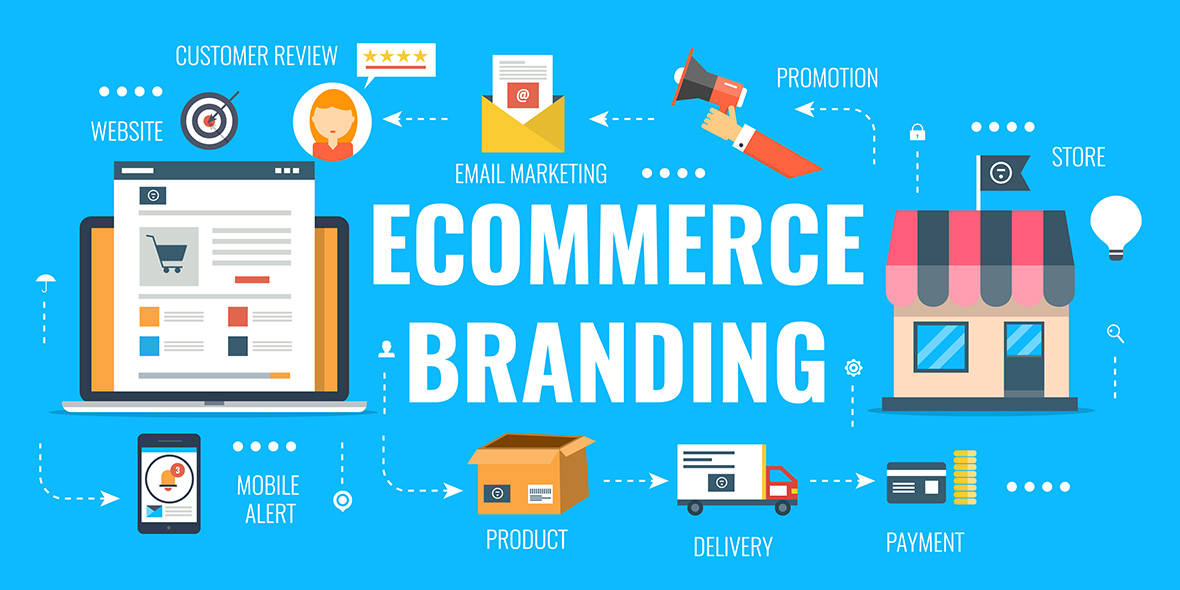
In today’s digital age, having a strong online presence is crucial for any business. For small businesses using Magento as their ecommerce platform, mastering SEO can be the key to unlocking online success. This magento ecommerce seo guide aims to provide you with the tools and strategies you need to optimize your online store, improve visibility, and drive more traffic. Whether you’re a seasoned entrepreneur or a newcomer, understanding the intricacies of SEO within the Magento framework is essential.
Understanding Magento and Its SEO Potential
Magento is a powerful ecommerce platform known for its flexibility and scalability. It offers a wide range of features that can be tailored to meet the needs of any online store. However, to truly harness its potential, it’s vital to optimize your Magento site for search engines. This involves a combination of technical SEO, content optimization, and strategic planning.
Setting Up Your Magento Store for SEO Success
1. Choosing the Right Domain Name
Your domain name is your online identity. Choosing a relevant and memorable domain name can significantly impact your SEO efforts. Ensure it reflects your brand and includes relevant keywords.
2. Optimizing URL Structure
A clean and logical URL structure helps search engines understand your site’s hierarchy. Utilize descriptive URLs that include keywords relevant to the page content. For more insights, you can refer to this [URL guide](https://webtownusa.com/seo-friendly-ecommerce-urls/) for ecommerce sites.
3. Implementing SSL Certificates
Security is a top priority for both search engines and users. An SSL certificate ensures that your site is secure, which can improve your rankings and build trust with your customers.
On-Page SEO Optimization
1. Crafting Compelling Product Descriptions
Product descriptions are your opportunity to engage customers and convince them to make a purchase. Use keywords naturally and focus on providing value. Highlight unique features and benefits.
2. Optimizing Meta Tags
Meta tags, including title tags and meta descriptions, play a crucial role in SEO. Ensure they are concise, relevant, and include primary keywords. This will improve click-through rates from search engine results.
3. Utilizing Header Tags
Header tags (
,
,
) help organize content and indicate its importance to search engines. Use them strategically to structure your content and include keywords where appropriate.
Technical SEO for Magento
1. Improving Site Speed
Site speed is a critical factor for both user experience and SEO. Optimize images, leverage browser caching, and consider using a content delivery network (CDN) to enhance loading times.
2. Mobile Optimization
With the rise of mobile shopping, ensuring your Magento site is mobile-friendly is essential. Responsive design and fast-loading pages are key. Learn more about [Mobile SEO](https://webtownusa.com/mobile-seo-for-ecommerce-sites/) for ecommerce sites.
3. XML Sitemap Submission
An XML sitemap helps search engines crawl and index your site more efficiently. Regularly update and submit your sitemap to search engines to ensure all pages are indexed.
Content Strategy for Magento SEO
1. Blogging for Ecommerce
Blogging is an effective way to drive traffic and engage with your audience. Create valuable and relevant content that answers customer questions and showcases your expertise.
2. Leveraging User-Generated Content
User-generated content, such as reviews and testimonials, can enhance your site’s credibility and improve SEO. Encourage customers to leave feedback and share their experiences.
3. Utilizing Long-Tail Keywords
Targeting long-tail keywords can help you capture niche audiences and improve rankings. For a deeper understanding, check out this [long-tail keywords guide](https://webtownusa.com/long-tail-keywords-for-ecommerce/).
Building Quality Backlinks
Backlinks are an essential component of SEO. Focus on acquiring high-quality, relevant links from reputable sources. This can boost your site’s authority and improve search engine rankings.
Monitoring and Analytics
Regularly monitor your site’s performance using tools like Google Analytics and Google Search Console. Analyze your data to identify areas for improvement and track the effectiveness of your SEO strategies.
Local SEO for Magento Stores
For businesses targeting local customers, optimizing for local SEO is crucial. Claim your Google My Business listing, encourage customer reviews, and ensure your contact information is consistent across all platforms. Learn from [local SEO success stories](https://webtownusa.com/local-seo-success-stories/).
Staying Updated with SEO Trends
The world of SEO is ever-evolving. Stay informed about the latest trends and algorithm updates to ensure your Magento site remains competitive. Explore [ecommerce SEO best practices](https://surferseo.com/blog/ecommerce-seo-best-practices/) for more insights.
Conclusion
Mastering SEO for your Magento ecommerce site can be a game-changer for your business. By following this magento ecommerce seo guide, you’ll be better equipped to improve your site’s visibility, attract more customers, and ultimately, drive more sales. Remember, SEO is a continuous process, and staying proactive will yield long-term results.

FAQs
1. Why is SEO important for Magento stores?
SEO is crucial for Magento stores because it enhances visibility on search engines, attracts organic traffic, and increases the chances of converting visitors into customers.
2. How can I improve my Magento site’s speed?
Improving site speed involves optimizing images, leveraging browser caching, and potentially using a content delivery network (CDN) to ensure faster loading times.
3. What are long-tail keywords and why should I use them?
Long-tail keywords are more specific phrases that attract niche audiences. They often have less competition and can improve your chances of ranking higher in search engine results.
9, Jul 2025
Anchor Text Optimization Ecommerce: A Guide to Boosting Online Sales
In the bustling world of ecommerce, the importance of anchor text optimization cannot be overstated. As online marketplaces grow, the competition becomes fiercer, making SEO strategies like anchor text optimization crucial for success. This article will delve into the nuances of this strategy, providing insights tailored for small businesses looking to enhance their online presence.

What is Anchor Text?
Anchor text is the clickable, hyperlinked text on a webpage. It is a vital part of SEO as it informs both users and search engines about the content of the linked page. Effective anchor text can improve your website’s search engine ranking and drive more traffic.
Importance of Anchor Text in Ecommerce
In the realm of ecommerce, anchor text optimization is essential for guiding potential customers to relevant products or services. By using descriptive and relevant anchor text, businesses can increase click-through rates and enhance user experience.
Types of Anchor Text
- Exact Match: Uses the exact keywords you aim to rank for.
- Partial Match: Includes variations of your target keywords.
- Branded: Uses your brand name as the anchor text.
- Generic: Uses non-descriptive terms like ‘click here’.
- Naked URLs: Uses the full URL as the link text.
How to Optimize Anchor Text for Ecommerce
To optimize anchor text for ecommerce, it’s crucial to maintain a natural and varied link profile. Avoid over-optimization by using a mix of anchor text types. Prioritize user intent and relevance to ensure your links are valuable and informative.
Best Practices for Anchor Text Optimization
1. Relevance is Key
Ensure that your anchor text accurately describes the linked content. This not only enhances user experience but also boosts your SEO performance.
2. Maintain Diversity
Use a variety of anchor text types to avoid penalties from search engines. A diverse link profile appears more natural and less manipulative.
3. Avoid Over-optimization
While it’s important to use keywords, excessive use can lead to SEO penalties. Balance keyword usage with natural language.
4. Prioritize User Experience
Your primary goal should be to create a seamless browsing experience for users. Ensure that your anchor text is informative and guides users effectively.
Common Mistakes in Anchor Text Optimization
Avoiding common pitfalls in anchor text optimization can significantly enhance your ecommerce strategy. Here are some mistakes to watch out for:
- Keyword Stuffing: Overloading anchor text with keywords.
- Generic Links: Overusing non-descriptive terms.
- Irrelevant Links: Linking to unrelated content.
Case Study: Successful Ecommerce Anchor Text Strategy
Consider the case of an online bookstore that effectively used anchor text optimization to increase sales. By linking author names and titles to specific book pages, they improved user navigation and increased their conversion rates.
The Future of Anchor Text in Ecommerce
As ecommerce continues to evolve, so too will anchor text strategies. Embracing these changes and staying informed about SEO trends will be key to maintaining a competitive edge.
Integrating Anchor Text with Other SEO Strategies
Combining anchor text optimization with other SEO strategies like content marketing and ecommerce blogging can amplify your online presence. Comprehensive SEO strategies are more effective than isolated efforts.
Conclusion
Anchor text optimization ecommerce is a powerful tool that can significantly impact your online business. By understanding and implementing effective strategies, small businesses can enhance their visibility and drive sales. For more insights on SEO in ecommerce, visit Neil Patel’s guide.

FAQ
What is anchor text optimization?
It involves selecting the most appropriate text to hyperlink, enhancing SEO and user experience.
How does anchor text affect SEO?
It informs search engines about the content of the linked page, affecting rankings.
Can anchor text optimization help small businesses?
Yes, it can drive more traffic and improve search engine rankings, leading to increased sales.

9, Jul 2025
Sustainable Content Strategies for Small Businesses
In today’s digital age, businesses, especially small ones, need to adopt sustainable content strategies to thrive. These strategies not only ensure a consistent online presence but also help in building a loyal customer base. As we delve into this topic, we’ll explore how these strategies benefit small businesses and help them grow in a competitive market.

Why Sustainability in Content Matters
In an era where content is king, the sustainability of content is crucial. It ensures that businesses are not just producing content for the sake of it but are creating meaningful and impactful content that resonates with their audience. Sustainable content strategies focus on quality over quantity, ensuring that every piece of content serves a purpose and provides value to the audience.
Understanding Your Audience
Identifying Target Demographics
For content to be effective, it must speak directly to its intended audience. Small businesses should identify their target demographics through market research and analytics. Understanding the age, gender, interests, and online behavior of your audience can significantly influence the type of content you produce.
Creating Buyer Personas
Developing detailed buyer personas helps businesses understand their customers better. These personas represent different segments of your audience, highlighting their needs, preferences, and challenges. By tailoring content to these personas, businesses can ensure that their content is relevant and engaging.
Content Planning and Strategy
Setting Clear Objectives
Before creating content, it’s essential to set clear objectives. These could range from increasing brand awareness to generating leads. Having defined goals helps in measuring the success of your content and refining strategies as needed.
Developing a Content Calendar
A content calendar is a tool that helps businesses plan and organize their content. It ensures consistency and timely delivery of content across various platforms. By scheduling content in advance, businesses can maintain a steady flow of information to their audience.
Quality Over Quantity
One of the core principles of sustainable content strategies is focusing on quality over quantity. High-quality content that provides value to the audience is more likely to be shared and engaged with, leading to better reach and impact.
Investing in Content Creation
Investing in professional content creation ensures that the content is well-researched, well-written, and visually appealing. This investment pays off in the long run as high-quality content tends to have a longer shelf life and continues to attract and engage audiences over time.
Utilizing SEO Best Practices
Keyword Research
Effective keyword research is the backbone of any sustainable content strategy. By identifying the right keywords, businesses can optimize their content to rank higher on search engines, increasing visibility and attracting more traffic.
On-page and Off-page SEO
On-page SEO involves optimizing individual web pages to rank higher and earn more relevant traffic in search engines. Off-page SEO involves activities like link building and social media marketing. Both are essential components of a comprehensive SEO strategy.
Repurposing Existing Content
Repurposing content is an efficient way to extend the life of your content. By updating and reformatting existing content, businesses can reach new audiences and maximize their content’s potential without starting from scratch.
Formats for Repurposing
Content can be repurposed into various formats such as infographics, videos, podcasts, and e-books. This not only diversifies the content but also caters to different audience preferences.
Leveraging Social Media
Social media platforms are powerful tools for promoting content. By sharing content across different platforms, businesses can increase their reach and engage with a broader audience.
Choosing the Right Platforms
Not all social media platforms are suitable for every business. It’s essential to identify the platforms that your audience frequents and tailor your content strategy accordingly.
Measuring Success
Key Metrics to Track
To evaluate the success of sustainable content strategies, businesses should track key metrics such as website traffic, engagement rates, conversion rates, and return on investment. These metrics provide insights into what’s working and what needs improvement.
Adjusting Strategies Based on Data
Data-driven decision-making is crucial for the success of any content strategy. By analyzing data, businesses can identify trends, understand audience preferences, and adjust their strategies to achieve better results.
Continuous Learning and Adaptation
The digital landscape is ever-evolving, and businesses must stay updated with the latest trends and technologies. Continuous learning and adaptation are key to maintaining a competitive edge in content marketing.
Staying Updated with Industry Trends
Attending industry conferences, webinars, and reading industry publications can help businesses stay informed about the latest trends and best practices in content marketing.

FAQ Section
What are the benefits of sustainable content strategies?
Sustainable content strategies help businesses maintain a consistent online presence, build brand loyalty, and achieve long-term success by focusing on quality content that resonates with the audience.
How can small businesses create effective content?
Small businesses can create effective content by understanding their audience, setting clear objectives, investing in quality content creation, utilizing SEO best practices, and leveraging social media platforms.
What role does SEO play in content strategy?
SEO is crucial in content strategy as it helps businesses optimize their content to rank higher in search engines, increasing visibility and attracting more traffic.
For more insights on how to write engaging content, you can visit Write Engaging Content. Additionally, you can explore Content Marketing for Businesses for an in-depth understanding.

9, Jul 2025
Scaling Content Production for Small Businesses Success
In today’s fast-paced digital world, scaling content production is crucial for small businesses aiming to reach a wider audience and drive growth. With the ever-increasing demand for fresh and engaging content, businesses need to find efficient ways to produce and distribute content that resonates with their target audience.

Understanding the Importance of Content Production
Content production lies at the heart of any successful digital marketing strategy. It involves creating valuable and relevant content that attracts and engages potential customers. For small businesses, producing high-quality content consistently can be challenging due to limited resources and time constraints.
Why Scale Content Production?
Scaling content production allows businesses to keep up with the growing demand for content while maintaining quality. By producing more content, businesses can increase their online presence, improve search engine rankings, and ultimately drive more traffic to their websites.
Strategies for Efficient Content Production
1. Develop a Content Plan
A well-thought-out content plan is essential for scaling production. It involves identifying key topics, setting goals, and establishing a content calendar. This helps ensure that content is created consistently and aligns with the business’s objectives.
2. Leverage Content Automation
Utilizing content automation tools can significantly enhance efficiency. These tools help streamline the content creation process, from idea generation to publishing. For more insights on content automation, visit content automation strategies.
3. Collaborate with Influencers
Partnering with influencers can boost content reach and credibility. Influencers have established audiences that trust their recommendations. Consider exploring influencer content collaboration for effective partnerships.
4. Repurpose Existing Content
Repurposing existing content is a cost-effective way to maximize resources. Transform blog posts into videos, podcasts, or infographics to reach different audience segments.
Tools and Resources for Scaling Content Production
1. Content Management Systems (CMS)
CMS platforms like WordPress and HubSpot enable efficient content creation and management. They offer features such as scheduling, analytics, and SEO optimization.
2. Graphic Design Tools
Design tools like Canva and Adobe Spark simplify the creation of visually appealing graphics. These tools are user-friendly and do not require extensive design skills.
3. SEO Tools
SEO tools like SEMrush and Ahrefs help identify keywords and optimize content for search engines. These tools provide valuable insights into competitors’ strategies and performance.
4. Social Media Management Platforms
Platforms like Hootsuite and Buffer allow businesses to schedule and publish content across multiple social media channels. They also provide analytics to measure engagement and reach.
Measuring Success and Iterating
1. Analyze Performance Metrics
Regularly analyze performance metrics such as website traffic, engagement rates, and conversion rates. This data helps identify what’s working and where improvements are needed.
2. Gather Audience Feedback
Feedback from the audience is invaluable for refining content strategies. Use surveys, comments, and social media interactions to gather insights into audience preferences.
3. Adjust Content Strategy
Based on performance data and audience feedback, adjust the content strategy to better align with business goals and audience needs.
Overcoming Challenges in Content Scaling
1. Resource Constraints
Small businesses often face resource limitations. Prioritize hiring skilled freelancers or part-time staff to expand the content team.
2. Maintaining Quality
Quality should never be compromised for quantity. Establish clear guidelines and conduct thorough reviews to ensure content meets the desired standards.
3. Staying Relevant
Staying updated with industry trends and audience interests is essential. Regularly research and adapt content to remain relevant and valuable.
The Future of Content Production
As technology evolves, the future of content production looks promising. Artificial intelligence and machine learning will play a significant role in automating tasks and enhancing content personalization.
Conclusion
Scaling content production is a strategic move for small businesses to thrive in the digital landscape. By implementing efficient strategies, leveraging tools, and continuously iterating, businesses can meet the demand for engaging content and achieve their growth objectives.

FAQs
What is content production scaling?
Content production scaling involves increasing the volume of content produced without compromising quality, allowing businesses to meet growing demands.
How can small businesses benefit from scaling content production?
Small businesses can benefit by enhancing their online presence, improving search rankings, and reaching a broader audience.
What tools can help in scaling content production?
Content management systems, graphic design tools, SEO tools, and social media management platforms are essential for efficient scaling.
For more information on the benefits of content marketing, you can visit this external link.

9, Jul 2025
Audience Research for Content Marketing Success
In the ever-evolving world of content marketing, understanding your audience is crucial. Conducting audience research for content marketing is the first step towards creating content that truly resonates. By focusing on audience research, businesses can tailor their messages to meet the specific needs and preferences of their target demographic. This article delves deep into the importance of audience research and how it can enhance your content marketing strategy.

Understanding Audience Research
Audience research involves gathering information about your target audience. This can include demographics, interests, behaviors, and preferences. By understanding these factors, businesses can create content that is more likely to engage and convert their audience.
Why Audience Research Matters
Effective content marketing isn’t just about producing content; it’s about producing the right content. Without audience research, businesses are essentially operating in the dark. Understanding what your audience wants and needs allows you to craft messages that are not only relevant but also compelling.
Identifying Your Target Audience
The first step in audience research is identifying who your target audience is. This involves looking at your current customer base and analyzing what they have in common. Consider factors such as age, gender, location, and buying habits.
Tools for Conducting Audience Research
There are several tools available to help businesses with audience research. Some popular options include Google Analytics, social media insights, and customer surveys. These tools provide valuable data that can inform your content marketing strategy.
Applying Audience Research to Content Marketing
Once you’ve gathered data about your audience, it’s time to apply it to your content marketing strategy. Use the insights gained from your research to create content that addresses the specific needs and interests of your audience.
Creating Targeted Content
With the information from your audience research, you can create content that speaks directly to your audience. This might involve writing blog posts that address common questions or creating videos that showcase your products in action.
Personalizing Your Content
Personalization is key in today’s digital landscape. Use your audience research to tailor your content to individual preferences. This can lead to higher engagement rates and better conversion rates.
Measuring the Success of Your Content Marketing
It’s important to track the performance of your content to ensure it’s meeting your goals. Tools like Google Analytics can provide insights into how your content is performing and where there might be room for improvement.
Adjusting Your Strategy
If your content isn’t performing as expected, don’t be afraid to adjust your strategy. Use the data from your audience research to make informed changes that can help improve your results.
Common Challenges in Audience Research
While audience research is essential, it can also be challenging. Common issues include a lack of data, difficulty analyzing data, and keeping up with changing audience preferences. However, these challenges can be overcome with the right tools and strategies.
Staying Updated with Trends
Audience preferences can change rapidly, so it’s important to stay updated with the latest trends. Regularly conduct audience research to ensure your content marketing strategy remains relevant.
Utilizing Feedback
Customer feedback is a valuable resource for audience research. Encourage your audience to provide feedback on your content and use this information to make improvements.
Conclusion
Audience research is a vital component of any successful content marketing strategy. By understanding your audience, you can create content that truly resonates and drives results. For more insights on improving your content marketing strategy, consider checking out this external guide on the differences between blogging and content marketing.

FAQs
Why is audience research important?
Audience research helps businesses understand the needs and preferences of their target audience, allowing them to create more effective content.
How can I conduct audience research?
There are various methods for conducting audience research, including surveys, social media insights, and analytics tools.
What tools can help with audience research?
Tools like Google Analytics, social media platforms, and customer feedback forms can provide valuable insights for audience research.
For further reading on enhancing your content strategy, you can explore some useful insights on content distribution, tracking performance, and content refresh strategies.


