



30, Jul 2025
Content Marketing in Healthcare: A Path to Patient Engagement
In today’s digital age, content marketing in healthcare is emerging as a crucial strategy for engaging patients and improving health outcomes. By leveraging digital platforms, healthcare providers can create valuable content that informs, engages, and empowers patients. This article explores the significance of content marketing in the healthcare sector, its benefits, and effective strategies for implementation.

Understanding Content Marketing in Healthcare
Content marketing involves the creation and distribution of valuable, relevant, and consistent content to attract and retain a clearly defined audience. In healthcare, this means providing patients with information that can help them make informed decisions about their health.
The Importance of Patient-Centric Content
Patient-centric content is at the heart of healthcare content marketing. By focusing on the needs and concerns of patients, healthcare providers can create content that resonates with their audience, leading to increased engagement and trust.
Building Trust Through Authentic Content
Trust is a critical component of the patient-provider relationship. By delivering authentic and accurate content, healthcare providers can build trust with their patients, leading to improved patient satisfaction and loyalty.
Benefits of Content Marketing in Healthcare
Content marketing offers numerous benefits for healthcare providers, including increased brand awareness, improved patient engagement, and enhanced patient education. By providing valuable content, healthcare providers can position themselves as thought leaders and trusted sources of information.
Enhancing Patient Education
Educational content allows patients to better understand their health conditions and treatment options. This empowers patients to take an active role in their healthcare journey, leading to better health outcomes.
Driving Patient Engagement
Engaging content encourages patients to interact with healthcare providers, whether through social media, blogs, or other digital platforms. This interaction can lead to stronger patient-provider relationships and improved patient loyalty.
Effective Strategies for Content Marketing in Healthcare
Implementing a successful content marketing strategy in healthcare requires careful planning and execution. Here are some strategies to consider:
Developing a Content Calendar
A content calendar helps healthcare providers plan and organize their content, ensuring a consistent flow of information to their audience. This can include blog posts, social media updates, and newsletters.
Leveraging Social Media
Social media platforms provide an excellent opportunity for healthcare providers to reach and engage with their audience. By sharing valuable content and interacting with patients, providers can build a strong online presence and foster community engagement.
Utilizing SEO Best Practices
Optimizing content for search engines is essential for increasing visibility and attracting new patients. By incorporating relevant keywords and phrases, healthcare providers can improve their search engine rankings and reach a wider audience.
Creating Engaging Multimedia Content
Multimedia content, such as videos and infographics, can enhance patient engagement by providing information in a more digestible format. This type of content can be particularly effective for explaining complex medical concepts.
Challenges in Healthcare Content Marketing
Despite its benefits, content marketing in healthcare presents several challenges, including regulatory constraints, maintaining patient privacy, and staying current with medical advancements.
Navigating Regulatory Requirements
Healthcare providers must adhere to strict regulations when creating and distributing content. This includes ensuring that all information is accurate, evidence-based, and compliant with industry standards.
Protecting Patient Privacy
Patient privacy is a top priority in healthcare. Providers must ensure that all content respects patient confidentiality and complies with privacy laws.
Future of Content Marketing in Healthcare
The future of content marketing in healthcare looks promising, with advancements in technology and data analytics providing new opportunities for personalized and targeted content. By staying ahead of industry trends, healthcare providers can continue to engage and educate their patients effectively.
Embracing New Technologies
Emerging technologies, such as artificial intelligence and machine learning, are set to revolutionize healthcare content marketing. These tools can help providers create more personalized and relevant content for their audience.
Adapting to Changing Patient Needs
As patient expectations continue to evolve, healthcare providers must adapt their content strategies to meet these changing needs. This includes providing more personalized and interactive content that resonates with patients.
Conclusion
Content marketing in healthcare offers a powerful way for providers to engage with patients, enhance education, and build trust. By implementing effective strategies and staying abreast of industry trends, healthcare providers can leverage content marketing to improve patient outcomes and drive business success.

FAQs
What is content marketing in healthcare?
Content marketing in healthcare involves creating and sharing valuable content to engage and educate patients, ultimately building trust and improving health outcomes.
How does content marketing benefit healthcare providers?
Content marketing benefits healthcare providers by increasing brand awareness, enhancing patient education, and fostering patient engagement.
What challenges do healthcare providers face with content marketing?
Challenges include navigating regulatory requirements, protecting patient privacy, and staying updated with medical advancements.
For more insights on content creation and distribution strategies, visit distribution checklist or explore content marketing benefits.
- 0
- By Jennifer R.


30, Jul 2025
Blog Content Ideas: Create Engaging and Viral Content
In the vibrant world of digital marketing, having a plethora of blog content ideas is crucial for any small business aiming to thrive. Whether you’re just starting or looking to revamp your content strategy, understanding how to generate engaging and viral content can set you apart. This article will dive deep into various concepts and techniques to enrich your blog with fresh and compelling content.

Why Are Blog Content Ideas Important?
Creating relevant and engaging content is the backbone of any successful blog. It not only helps in attracting visitors but also keeps them engaged, ensuring they return for more. In today’s digital age, content is king, and having a steady stream of unique blog content ideas can increase your website traffic, boost your SEO rankings, and improve customer loyalty.
Understanding Your Audience
Knowing Your Target Audience
Before generating blog content ideas, it’s essential to know who your audience is. Understanding their interests, needs, and pain points can guide you in creating content that resonates with them.
Creating a Buyer Persona
Developing a buyer persona helps in tailoring your content to meet the specific needs of different segments of your audience. It’s a fictional representation of your ideal customer, based on market research and real data about your existing customers.
Generating Blog Content Ideas
Brainstorming Sessions
Conduct regular brainstorming sessions with your team to come up with a variety of blog content ideas. Encourage creativity and think outside the box to generate unique and engaging content topics.
Keyword Research
Performing keyword research is a critical step in identifying what your audience is searching for. Use tools like Google Keyword Planner or SEMrush to find popular keywords related to your niche.
Types of Blog Content Ideas
How-To Guides
How-to guides are evergreen content that provides step-by-step instructions on a particular topic. They are highly valuable to readers and can drive significant traffic to your site.
Listicles
Listicles, or list-based articles, are easy to read and provide information in a digestible format. They are great for capturing attention and are often shared widely on social media.
Case Studies
Case studies offer detailed insights into a specific instance of success or failure. They provide real-world examples of how a product or service has helped a customer, making them highly persuasive.
Optimizing Your Blog Content
SEO Best Practices
Ensure your content is optimized for search engines by including relevant keywords, using proper headings, and creating meta descriptions. This will improve your content’s visibility and ranking on search engine results pages.
Using Multimedia
Incorporate images, videos, and infographics to make your content more engaging. Multimedia elements can help break up text and make your articles more visually appealing.
Promoting Your Blog Content
Social Media
Leverage social media platforms to share your blog posts and reach a larger audience. Use catchy headlines and appealing visuals to capture attention and encourage sharing.
Email Marketing
Include links to your blog posts in your email newsletters to drive traffic from your existing subscribers. Personalize your emails to make them more engaging and relevant.
Measuring Success of Your Blog Content
Analytics Tools
Use analytics tools like Google Analytics to track the performance of your blog posts. This will help you understand what content resonates with your audience and guide future content creation.
Feedback and Engagement
Encourage readers to leave comments and provide feedback on your blog posts. This interaction can provide valuable insights and help you refine your content strategy.
Conclusion
Generating and implementing effective blog content ideas is a continuous process that requires creativity, research, and analysis. By understanding your audience, exploring different types of content, and optimizing your blog for SEO, you can create a successful blog that engages readers and supports your business goals.

FAQ
How do I come up with new blog content ideas?
Regular brainstorming sessions, keyword research, and understanding your audience’s needs can help generate fresh blog content ideas.
What are the best types of content for a blog?
Popular content types include how-to guides, listicles, and case studies. Each serves a different purpose and caters to different audience needs.
How can I improve my blog’s SEO?
Use relevant keywords, optimize your headings and meta descriptions, and incorporate multimedia elements to enhance your blog’s SEO.

29, Jul 2025
YouTube SEO for Ecommerce Success: A Guide for Small Businesses
In the fast-paced world of ecommerce, leveraging platforms like YouTube can be a game-changer. With millions of users worldwide, YouTube offers an immense opportunity for small businesses to reach new customers and boost sales. This article will explore the importance of YouTube SEO for ecommerce and provide actionable strategies to enhance your online presence.

Why YouTube SEO Matters for Ecommerce
Before diving into the specifics of YouTube SEO, it’s important to understand why it matters for ecommerce. YouTube is the second largest search engine after Google, making it a critical platform for visibility. By optimizing your videos for search, you can increase your chances of appearing in search results, thereby attracting more potential customers.
Understanding YouTube’s Algorithm
The first step in mastering YouTube SEO is understanding how the platform’s algorithm works. YouTube’s algorithm considers various factors, including video titles, descriptions, tags, and engagement metrics like views, likes, and comments. By optimizing these elements, you can improve your video’s ranking in search results.
Optimizing Video Titles and Descriptions
Video titles and descriptions play a significant role in YouTube SEO. Titles should be concise, descriptive, and include relevant keywords. Descriptions offer more space to elaborate on your video’s content and include additional keywords for better visibility.
Utilizing Tags Effectively
Tags help YouTube understand the context of your videos. Use a mix of broad and specific tags to reach a wider audience. Remember, tags should be relevant to your content and reflect the keywords your target audience is likely to search for.
Engagement Metrics
Engagement metrics such as likes, comments, and shares are crucial for YouTube SEO. Encourage viewers to engage with your content by asking questions, prompting discussions, and reminding them to like and share your videos.
Creating Quality Content for Your Audience
Quality content is the cornerstone of successful YouTube SEO. Creating videos that are informative, engaging, and valuable to your audience can increase watch time and boost your video’s ranking. Focus on creating content that resonates with your target audience and encourages them to take action.
Know Your Audience
Understanding your audience is key to creating content that resonates. Conduct research to identify the needs, preferences, and pain points of your target audience. This information will guide your content strategy and help you create videos that address their specific needs.
Video Production Tips
High-quality video production is essential for maintaining viewer interest. Invest in good equipment, ensure proper lighting, and focus on clear audio. Additionally, use engaging visuals and storytelling techniques to keep your audience engaged.
Promoting Your YouTube Channel
Promotion is a critical aspect of YouTube SEO. By effectively promoting your channel and videos, you can reach a larger audience and increase your chances of success. Utilize social media, email marketing, and collaborations with other creators to boost your visibility.
Social Media Promotion
Leverage social media platforms to share your videos and engage with your audience. Platforms like Facebook, Instagram, and Twitter offer opportunities to reach a wider audience and drive traffic to your YouTube channel.
Email Marketing
Email marketing is another effective way to promote your YouTube videos. Send newsletters to your subscribers with links to your latest videos, and encourage them to share your content with others.
Collaborations and Partnerships
Collaborating with other creators can help you reach new audiences and gain valuable exposure. Look for creators in your niche with a similar audience and propose collaboration opportunities.
Analyzing and Improving Your Strategy
Continuous analysis and improvement are essential for successful YouTube SEO. Regularly review your video’s performance metrics and adjust your strategy as needed to achieve better results.
Utilizing YouTube Analytics
YouTube Analytics offers valuable insights into your video’s performance. Use this data to understand what works and what doesn’t, and make informed decisions about your content strategy.
Adapting to Changes
The digital landscape is constantly evolving, and staying up-to-date with the latest trends and algorithm changes is crucial. Be prepared to adapt your strategy to meet the changing needs of your audience and the platform.
Conclusion
In conclusion, YouTube SEO for ecommerce offers immense potential for small businesses. By understanding the platform’s algorithm, creating quality content, and promoting your channel effectively, you can enhance your online presence and drive more sales. Remember, success on YouTube requires patience, persistence, and a willingness to adapt to change.

FAQs
What is the importance of YouTube SEO for ecommerce?
YouTube SEO is crucial for ecommerce as it helps increase visibility, reach a larger audience, and drive more traffic to your website, ultimately boosting sales.
How can I improve my YouTube SEO strategy?
Focus on optimizing video titles, descriptions, and tags, creating quality content, and promoting your channel through social media, email marketing, and collaborations.
What tools can help with YouTube SEO?
Tools like TubeBuddy, VidIQ, and YouTube Analytics can help you optimize your videos, track performance, and improve your YouTube SEO strategy.
For more insights on ecommerce SEO strategies, visit this Coursera article.

29, Jul 2025
Bounce Rate in Content Marketing: How It Impacts Your Strategy
In the realm of content marketing, understanding the dynamics of the bounce rate is crucial for every business aiming to optimize its online presence. The bounce rate is a metric that many marketers find challenging, yet it holds significant insights into user engagement and the quality of your content. Addressing the bounce rate is essential, especially for small businesses looking to build sustainable growth through content marketing.

What is Bounce Rate?
The bounce rate refers to the percentage of visitors who navigate away from your website after viewing only one page. A high bounce rate might indicate that your website or content isnt engaging enough to encourage further interaction. Understanding this metric helps you tailor your content marketing strategies to better meet the needs and interests of your audience.
Why Bounce Rate Matters in Content Marketing
For small businesses, the importance of bounce rate cannot be overstated. It serves as a direct reflection of how effectively your content resonates with your audience. A lower bounce rate typically suggests that visitors are finding your content relevant and engaging, which can lead to higher conversion rates.
Impact on SEO
Google considers bounce rate as a factor when ranking websites. A high bounce rate could negatively impact your SEO efforts, making it harder for potential customers to find you online. On the other hand, a low bounce rate can enhance your sites visibility in search engine results.
User Engagement
The bounce rate provides insights into user engagement. It helps you determine whether your content is compelling enough to hold visitors’ attention and encourage them to explore further. High engagement levels often translate into better customer relationships and increased sales.
How to Analyze Bounce Rate
Analyzing the bounce rate involves looking at various factors that contribute to a visitor leaving the site. These include the quality of your content, page load speed, and the overall user experience. Tools such as Google Analytics can provide detailed reports on your bounce rate and help identify areas for improvement.
Strategies to Reduce Bounce Rate
Reducing the bounce rate is a vital goal for improving your content marketing strategy. Here are some strategies to consider:
Improve Content Quality
Ensure your content is engaging, informative, and tailored to your audiences needs. High-quality content can effectively reduce the bounce rate by keeping visitors on your site longer. Consider refreshing strategies for existing content to maintain its relevance.
Enhance User Experience
User experience plays a significant role in the bounce rate. A website thats easy to navigate and aesthetically pleasing can encourage visitors to stay longer. Ensure your site is mobile-friendly and loads quickly to improve the user experience.
Engage with Visual Content
Incorporating visual elements such as videos, images, and infographics can make your content more engaging. Visual content often has the power to capture attention and reduce the bounce rate.
Encourage Internal Linking
Internal links are a great way to guide visitors to other relevant pages on your site. By doing so, you increase the chances of them exploring more of your content rather than leaving after a single page view. Consider linking to track content performance for better insights.
Monitoring Bounce Rate Over Time
Regularly monitoring your bounce rate allows you to measure the effectiveness of your content marketing strategies over time. It helps you understand what’s working and what needs adjustment. Consistent analysis and updates ensure your content remains engaging and aligned with your audience’s expectations.
Conclusion
Understanding and optimizing the bounce rate is essential for any business looking to enhance its content marketing strategy. By focusing on high-quality content, improving user experience, and continually monitoring performance, small businesses can significantly reduce their bounce rate and achieve better engagement. For more insights on how to improve your strategy, visit content marketing benefits.

FAQ
What is a good bounce rate?
A bounce rate between 26% to 40% is considered excellent. However, this can vary depending on the industry and type of website.
How can I track my bounce rate?
Tools like Google Analytics provide comprehensive reports on your bounce rate, helping you track and analyze visitor behavior on your site.
What factors influence bounce rate?
Several factors influence the bounce rate, including content quality, page load speed, user experience, and relevance to the visitor’s search intent.

29, Jul 2025
SEO A/B Testing for Ecommerce: Boosting Your Online Store’s Success
In today’s fast-paced digital world, having a successful online store is crucial for businesses of all sizes. One of the most effective strategies to enhance your ecommerce store’s performance is through SEO A/B Testing for Ecommerce. This method allows you to optimize your website’s elements by comparing different versions and determining which one performs better. By incorporating SEO A/B Testing into your ecommerce strategy, you can significantly improve your store’s visibility, user experience, and ultimately, your sales.

What is SEO A/B Testing?
SEO A/B Testing involves creating two versions of a webpage, known as version A and version B, and testing them against each other to see which performs better in terms of SEO metrics. This process helps identify which elements of your website contribute to higher search engine rankings and increased organic traffic. By continually testing and optimizing, you can ensure that your ecommerce store remains competitive and successful.
Why is A/B Testing Important for Ecommerce?
For ecommerce businesses, the goal is to attract and convert as many customers as possible. A/B Testing allows you to make data-driven decisions about your website’s design, content, and functionality. This not only improves your SEO strategy but also enhances the overall user experience. By understanding what works best for your audience, you can make informed changes that lead to higher conversion rates and increased revenue.
Key Elements to Test
- Headlines and Subheadings
- Call-to-Action Buttons
- Product Descriptions
- Images and Videos
- Navigation Menus
- Page Layout and Design
How to Conduct SEO A/B Testing for Ecommerce?
Conducting SEO A/B Testing for Ecommerce involves several steps. First, identify the specific elements you want to test, such as headlines or call-to-action buttons. Next, create variations for these elements and split your website traffic equally between the different versions. Use tools like Google Analytics to track the performance of each version. Analyze the data to determine which version performs better in terms of SEO metrics like bounce rate, time on page, and conversion rate. Finally, implement the winning version and continue testing other elements.
Best Practices for SEO A/B Testing
To ensure the success of your SEO A/B Testing efforts, follow these best practices:
- Test one element at a time to accurately measure its impact.
- Use a large enough sample size to obtain reliable results.
- Run tests for a sufficient duration to account for variations in traffic.
- Focus on testing elements that directly impact SEO and user experience.
- Regularly review and update your testing strategy based on new data.
Common Challenges in A/B Testing
While A/B Testing offers numerous benefits, it also presents several challenges. These include:
- Ensuring that test results are statistically significant.
- Avoiding changes that negatively impact SEO.
- Balancing short-term tests with long-term goals.
- Addressing technical issues that may arise during testing.
The Role of SEO in Ecommerce Success
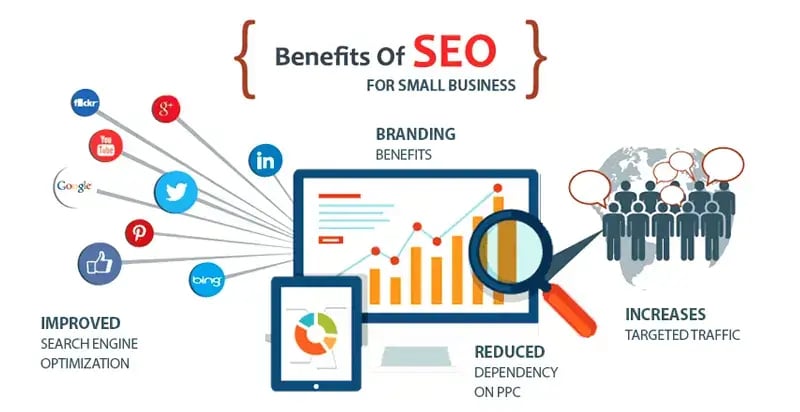
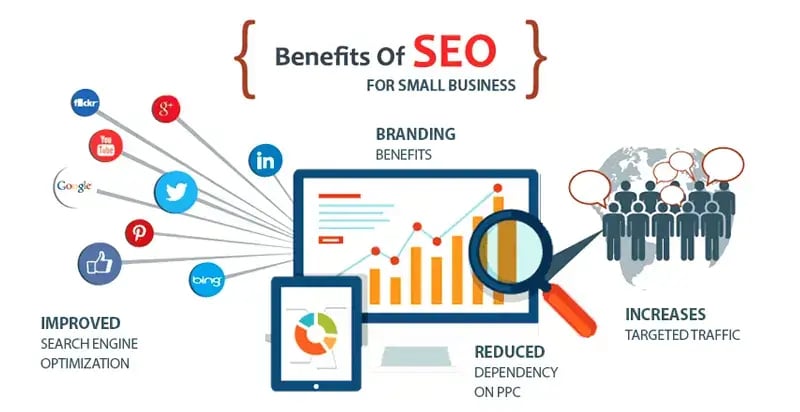
SEO plays a vital role in the success of any ecommerce business. By optimizing your website for search engines, you can attract more visitors, increase brand visibility, and drive more traffic to your store. SEO A/B Testing is an essential component of this process, as it allows you to fine-tune your website’s elements for maximum impact.
Integrating A/B Testing with Other SEO Strategies
To maximize the effectiveness of your ecommerce SEO efforts, consider integrating A/B Testing with other strategies, such as SEO-friendly URLs and multilingual SEO. These strategies work together to improve your website’s search engine rankings and overall user experience.
Conclusion
In conclusion, implementing SEO A/B Testing for Ecommerce is a powerful way to enhance your online store’s performance. By continually testing and optimizing your website’s elements, you can improve your SEO strategy, boost user engagement, and ultimately increase your sales. Stay ahead of the competition by embracing the power of A/B Testing and making data-driven decisions for your ecommerce business.

FAQs
What is the main benefit of SEO A/B Testing for Ecommerce?
The main benefit of SEO A/B Testing for Ecommerce is that it allows businesses to optimize their website’s elements based on real user data. By identifying which variations perform better, businesses can make informed decisions that lead to improved search engine rankings, user experience, and conversion rates.
How often should I conduct A/B Testing on my ecommerce site?
It’s recommended to conduct A/B Testing regularly as part of your ongoing SEO strategy. This ensures that your website remains optimized for search engines and user preferences. Depending on your resources, you can schedule tests monthly, quarterly, or bi-annually.
Can A/B Testing negatively impact my SEO?
While A/B Testing is generally beneficial for SEO, there are potential pitfalls. Implementing changes based on incorrect data or testing too many elements at once can lead to negative impacts. To avoid this, ensure that your tests are well-designed, statistically significant, and focused on elements that directly affect SEO.
29, Jul 2025
SEO vs Paid Traffic for Ecommerce: Which is Best?
In the world of ecommerce, choosing between SEO and paid traffic is a critical decision for business success. Both strategies offer unique benefits and challenges, and knowing which is best for your business can significantly impact your bottom line. In this article, we’ll explore the nuances of SEO vs paid traffic for ecommerce to help you make an informed choice.

Understanding SEO
SEO, or Search Engine Optimization, is the process of optimizing your website to rank higher on search engine results pages (SERPs). This organic approach focuses on improving visibility through techniques like keyword optimization, content creation, and link building. The goal is to attract more visitors to your site without paying for ads.
Benefits of SEO for Ecommerce
One of the primary benefits of SEO is its long-term effectiveness. Once your site ranks well, it can maintain its position with consistent effort. Additionally, SEO tends to build trust with consumers, as users often perceive organic results as more credible than paid ads.
Challenges of SEO
However, SEO is not without challenges. It can take time to see results, and the competition for popular keywords can be fierce. Furthermore, search engine algorithms change frequently, requiring businesses to continually update their strategies.
Exploring Paid Traffic
Paid traffic involves purchasing ads to drive visitors to your ecommerce site. This strategy can include pay-per-click (PPC) advertising, display ads, and social media promotions. Paid traffic offers instant visibility and can be highly targeted to reach specific audiences.
Advantages of Paid Traffic
The main advantage of paid traffic is its immediacy. Unlike SEO, which can take months to show results, paid ads can generate traffic quickly. This makes it ideal for promoting time-sensitive offers or new product launches.
Drawbacks of Paid Traffic
On the downside, paid traffic can be expensive, especially for competitive keywords. Once you stop paying for ads, the traffic stops as well. Additionally, consumers may distrust ads, leading to lower conversion rates compared to organic traffic.
Comparing SEO and Paid Traffic
When comparing SEO vs paid traffic for ecommerce, consider your business goals, budget, and timeline. SEO is a long-term investment that can yield sustainable results, while paid traffic offers quick gains but requires ongoing financial commitment.
Cost Considerations
SEO typically requires an upfront investment in content creation and site optimization, while paid traffic involves ongoing costs for ad placements. Evaluate your budget to determine which strategy aligns best with your financial resources.
Target Audience
If your target audience frequently uses search engines to find products, SEO may be more effective. Conversely, if your audience is active on social media or other platforms, paid traffic could be more beneficial.
Integrating SEO and Paid Traffic
Many successful ecommerce businesses use a combination of SEO and paid traffic to maximize their reach. By leveraging both strategies, you can benefit from the long-term advantages of SEO while still capitalizing on the immediacy of paid traffic.
Case Studies
For instance, a company might use SEO to establish a strong online presence and supplement it with targeted ads during peak shopping seasons. This approach allows them to capture both organic and paid traffic effectively.
Conclusion
Choosing between SEO vs paid traffic for ecommerce depends on various factors, including your business goals, budget, and target audience. Both strategies have their merits, and a balanced approach can often yield the best results. By understanding the strengths and limitations of each, you can create a marketing plan that drives traffic and boosts sales for your ecommerce business.
FAQ
What is the main difference between SEO and paid traffic?
SEO focuses on organic search results, while paid traffic involves purchasing ads to drive visitors to a site.
How long does it take to see results from SEO?
SEO results can take several months to become evident, as it involves building a site’s authority and visibility over time.
Is paid traffic more expensive than SEO?
The cost of paid traffic can be higher than SEO due to ongoing ad expenses, but it offers immediate results.
For more insights on ecommerce strategies, you can visit BigCommerce’s ecommerce SEO guide. Additionally, learn about SEO issues with Shopify and explore voice commerce and SEO for ecommerce growth.
29, Jul 2025
How to Boost eCommerce SEO for Better Online Success
In today’s digital world, mastering the art of SEO is essential for any online business. Knowing how to boost eCommerce SEO can be a game changer, especially for small businesses hoping to stand out in a crowded market. This guide will provide you with practical and effective strategies to enhance your online presence.

Understanding eCommerce SEO
Before diving deep into techniques, it’s crucial to understand what eCommerce SEO is. Essentially, it involves optimizing your online store to rank higher in search engine results pages (SERPs). A higher ranking means more visibility and potentially more customers. For a comprehensive understanding, visit this eCommerce SEO guide.
Keyword Research: The Foundation
Importance of Keyword Research
Keywords are the backbone of any SEO strategy. Identifying the right keywords can significantly impact your store’s visibility. Use tools like Google Keyword Planner and SEMrush to find keywords that your potential customers are searching for.
Long-Tail Keywords
Long-tail keywords are more specific and usually less competitive. They may not have a high search volume, but they attract more targeted traffic, leading to higher conversion rates. Incorporate these into your SEO strategy to capture niche markets.
On-Page SEO Techniques
Optimizing Product Pages
Your product pages are the heart of your online store. Ensure each page is optimized by including relevant keywords in titles, descriptions, and meta tags. This will help improve their ranking on search engines.
Enhanced User Experience
User experience (UX) plays a crucial role in SEO. A well-designed, easy-to-navigate website can reduce bounce rates and increase the time users spend on your site. Consider using clear calls to action and intuitive design elements to improve UX.
Technical SEO: The Backbone of Your Store
Site Speed Optimization
Slow websites drive potential customers away. Use tools like Google’s PageSpeed Insights to assess and improve your site speed, ensuring a smooth shopping experience for users.
Mobile Optimization
With a growing number of shoppers using mobile devices, ensuring that your site is mobile-friendly is crucial. A responsive design can enhance the user experience and improve your rankings on mobile search results.
Content Marketing for eCommerce
Blogging for eCommerce
Consistently publishing high-quality, relevant content can attract and engage your target audience. Blogs allow you to showcase your expertise, provide value to your customers, and boost your site’s SEO.
Linkable Assets
Creating content that others want to link to can improve your domain authority and search rankings. Learn more about linkable assets and how they can benefit your eCommerce store.
Backlink Strategies
Building high-quality backlinks from reputable sites can significantly boost your site’s authority and improve its search engine ranking. Reach out to industry influencers, submit guest posts, and participate in forums to gain valuable backlinks.
Leveraging Social Media for SEO
Social media platforms can drive traffic to your site and improve your search engine rankings. Share engaging content, interact with your audience, and use social signals to strengthen your SEO efforts.
Monitoring and Adjusting Your Strategy
SEO is not a set-it-and-forget-it strategy. Regularly monitor your site’s performance using tools like Google Analytics and adjust your tactics based on the data you collect. This will ensure your SEO strategy remains effective over time.
Voice Commerce and Emerging Trends
Stay ahead of the competition by embracing emerging trends like voice commerce. Make sure your site is optimized for voice search to capture this growing market segment. Discover more about voice commerce and SEO strategies.
SEO A/B Testing
Experimenting with different strategies can help you find the most effective approach for your store. Learn about SEO A/B testing and how it can help you make data-driven decisions.

FAQs
What is the importance of eCommerce SEO?
eCommerce SEO is crucial because it increases your site’s visibility on search engines, driving more traffic and potential sales. A well-optimized site can outrank competitors and attract a loyal customer base.
How can I improve my site’s speed?
Improving site speed involves optimizing images, leveraging browser caching, and using a content delivery network (CDN). Regularly test your site using tools like Google’s PageSpeed Insights to identify areas for improvement.
Why are backlinks important for SEO?
Backlinks are essential because they signal to search engines that your site is reputable and valuable. High-quality backlinks from authoritative sites can boost your search engine rankings and drive more traffic to your store.

28, Jul 2025
How to Create a Content Strategy for Success
In today’s digital age, understanding how to create a content strategy is crucial for businesses aiming to thrive online. A well-crafted strategy not only enhances brand visibility but also fosters customer engagement and drives organic growth. But what exactly goes into creating an effective content strategy? Let’s dive in and explore the essential steps.

Understanding the Basics of a Content Strategy
Before diving into the specifics, it is vital to understand what a content strategy entails. A content strategy is a plan that outlines how to manage, develop, and deliver content across various platforms to achieve business goals. It involves planning, creation, delivery, and governance of content.
Why is a Content Strategy Important?
Having a clear and concise content strategy is vital for several reasons. It ensures consistency, aligns with business objectives, and helps in reaching the target audience effectively. Moreover, it aids in optimizing resources and measuring success.
For a deeper insight into the benefits of content marketing, you can explore this article.
Steps to Develop a Content Strategy
1. Define Your Goals
Having clear goals is the first step in creating a content strategy. Determine what you want to achieve with your content be it brand awareness, lead generation, or customer retention.
2. Know Your Audience
Understanding your audience is key. Conduct research to identify the demographics, preferences, and pain points of your audience. This helps in crafting content that resonates with them.
3. Perform a Content Audit
Assess your existing content to identify what works and what doesn’t. A content audit helps in pinpointing areas that need improvement and in recognizing successful pieces that can be replicated.
For more on the history and evolution of content marketing, check out this resource.
4. Choose the Right Channels
Select the platforms that best reach your audience. Whether it’s social media, blogs, or email newsletters, choose channels that align with your audience’s preferences.
Crafting Engaging Content
5. Develop Content Ideas
Brainstorm ideas that align with your goals and audience preferences. Use tools like keyword planners and social media trends to generate ideas that are both relevant and engaging.
6. Create High-Quality Content
Quality trumps quantity. Ensure that your content is well-researched, informative, and adds value to the reader. Incorporate visuals, infographics, and videos where possible to enhance engagement.
For tips on avoiding common SEO pitfalls in content creation, refer to this guide.
7. Optimize for SEO
Incorporate SEO best practices to enhance the visibility of your content. Use relevant keywords strategically, optimize meta tags, and ensure your content is mobile-friendly.
Implementing and Managing Your Strategy
8. Create a Content Calendar
A content calendar helps in planning and scheduling content in advance. It ensures a consistent posting schedule and helps in maintaining content flow.
9. Distribute Your Content
Once your content is ready, the next step is distribution. Share your content across selected channels to reach your audience effectively.
10. Engage with Your Audience
Engagement is key to building a loyal audience. Respond to comments, encourage feedback, and foster discussions to create a sense of community.
For more on distinguishing between organic and paid traffic, you might want to visit this article.
Measuring and Adjusting Your Strategy
11. Analyze Performance
Regularly monitor the performance of your content using analytics tools. Track metrics such as page views, engagement, and conversion rates to gauge success.
12. Adjust and Improve
Based on performance analysis, make necessary adjustments to your strategy. Continuously refine your approach to improve results and achieve your goals.

FAQs
What is a content strategy?
A content strategy is a plan that guides the creation, management, and distribution of content to achieve specific business objectives.
Why is it important to know your audience?
Understanding your audience helps in creating content that resonates with them, thereby increasing engagement and achieving business goals.
How often should I review my content strategy?
It is advisable to review your content strategy regularly, typically every quarter, to ensure it remains effective and aligned with your business goals.
For more insights into the benefits of content marketing, visit this link.

27, Jul 2025
Benefits of Content Marketing for Small Businesses Demystified
In todays digital age, the benefits of content marketing are becoming increasingly apparent, especially for small businesses striving to carve out a niche in competitive markets. Embracing content marketing can provide a powerful boost to your brands visibility, customer engagement, and ultimately, its bottom line.
One of the most significant benefits of content marketing is its ability to establish a genuine connection with your audience. By creating valuable, relevant, and consistent content, small businesses can attract and retain a clearly defined audience, driving profitable customer action.

1. What is Content Marketing?
Content marketing involves the creation and sharing of online material such as blogs, videos, and social media posts. Unlike traditional advertising, it focuses on providing value to the audience, rather than directly promoting products or services.
1.1 The Essence of Storytelling
At its core, content marketing is all about storytelling. Businesses share their journey, values, and expertise through engaging content that resonates with their audience. This builds trust and fosters a loyal customer base.
2. Building Brand Awareness
Consistent and high-quality content helps increase your brands visibility. By addressing the needs and interests of your target audience, your content becomes a valuable resource that customers turn to, thereby enhancing brand recognition.
3. Boosting SEO and Organic Traffic
One of the key benefits of content marketing is its impact on SEO. By incorporating relevant keywords and providing valuable information, your content can improve your search engine rankings, driving more organic traffic to your website.
For more insights on SEO tools that can enhance your content marketing strategy, check out this comprehensive guide.
3.1 The Role of Keywords
Choosing the right keywords is crucial for improving your search engine visibility. Long-tail keywords, in particular, can help you target niche audiences more effectively.
4. Establishing Authority and Expertise
By consistently producing high-quality content, you can position your business as an industry expert. This not only builds trust with your audience but also encourages other websites to link back to your content, further boosting your credibility.
5. Enhancing Customer Engagement
Engaging content encourages interaction from your audience. Whether through comments, shares, or likes, this engagement creates a sense of community and strengthens the relationship between your business and its customers.
5.1 Interactive Content
Incorporating interactive content such as quizzes, polls, and contests can significantly enhance audience engagement and provide valuable insights into customer preferences.
6. Cost-Effective Marketing Strategy
Compared to traditional advertising methods, content marketing is highly cost-effective. It requires a lower investment while offering a higher return over time through increased brand visibility and customer loyalty.
7. Driving Conversions and Sales
By providing valuable information that guides customers through their buying journey, content marketing can effectively drive conversions. Well-crafted content addresses customer pain points and positions your products or services as the ideal solution.
To learn more about how content marketing can drive sales, visit Adobe’s Blog.
8. Building a Strong Social Media Presence
Content creation and distribution on social media platforms can significantly boost brand exposure. It enables businesses to reach a wider audience, engage with followers, and drive traffic back to their website.
9. Gaining Customer Insights
Analyzing the performance of your content provides valuable insights into customer behavior and preferences. This data-driven approach enables businesses to refine their strategies and deliver more targeted and effective content.
10. Long-Term Returns on Investment
Unlike some marketing strategies that offer short-term results, content marketing provides long-term benefits. High-quality content continues to attract traffic and generate leads long after its published.
11. Adapting to Changing Trends
In the fast-paced digital world, trends are constantly evolving. Content marketing allows businesses to stay relevant by quickly adapting their strategies to meet changing consumer demands and interests.
12. Encouraging Customer Loyalty
By consistently delivering value through informative and engaging content, businesses can foster strong relationships with their audience. This strengthens customer loyalty and increases the likelihood of repeat business.
13. Supporting Other Marketing Efforts
Content marketing complements other marketing strategies such as email marketing and social media campaigns. It provides valuable content that can be repurposed across various channels, enhancing the overall effectiveness of your marketing efforts.

FAQs
What is the main goal of content marketing?
The primary goal of content marketing is to attract and retain a clearly defined audience by creating and distributing valuable, relevant, and consistent content.
How does content marketing benefit small businesses?
Small businesses benefit from content marketing through increased brand awareness, improved SEO, enhanced customer engagement, and cost-effective marketing solutions.
Why is content marketing cost-effective?
Content marketing is cost-effective because it requires a lower investment compared to traditional advertising methods and offers long-term returns by consistently generating leads and driving conversions.

27, Jul 2025
Split Testing Titles in Ecommerce for Enhanced Sales Conversions
In the competitive world of ecommerce, businesses are constantly seeking strategies to optimize their sales and improve user engagement. One such potent strategy is split testing titles in ecommerce. This method allows businesses to determine which title performs best in terms of conversion rates, ultimately enhancing sales and improving customer interaction.

Understanding the Concept of Split Testing
Split testing, also known as A/B testing, is a method where two or more versions of a webpage or a component, such as a title, are shown to users at random, and statistical analysis is used to determine which version performs better. In ecommerce, the title of a product can significantly impact a customer’s decision to click and purchase.
Why Focus on Titles?
Titles are often the first impression a customer gets about a product. A compelling and informative title can grab attention, spark interest, and encourage a click. Conversely, a poorly constructed title can deter potential customers. Thus, split testing titles is crucial to understand what resonates with your audience.
Steps to Conduct Split Testing for Titles
1. Define Your Goals
Before starting split testing, it is essential to define what you aim to achieve. Are you looking to increase click-through rates, enhance engagement, or boost sales? Clear goals will guide your testing process effectively.
2. Create Variations
Develop different versions of your product titles. These variations should reflect different styles, wordings, or formats. For instance, try different lengths or include various keywords to see what works best.
3. Use a Split Testing Tool
Employ a reliable split testing tool that can help you deploy and measure the results effectively. Tools like Google Optimize or Optimizely can be invaluable in this process.
Analyzing Results
Once your test is live, it is crucial to monitor the results closely. Look for patterns and insights that indicate which title version is more successful. Consider factors such as click-through rates, conversion rates, and user feedback.
Implementing Changes
After identifying the winning title, implement it across your ecommerce platform. This change should lead to improved engagement and sales.
The Impact of Split Testing on Ecommerce Success
Businesses that utilize split testing for titles often see a significant increase in their conversion rates. By understanding what draws their customers’ attention, they can tailor their offerings to meet customer expectations better.
Continuous Improvement
Split testing is not a one-time task. To remain competitive, businesses should continually test and refine their titles as market trends and consumer preferences evolve.
Common Mistakes in Split Testing
1. Not Testing Long Enough
For accurate results, ensure your test runs for a sufficient period. Ending a test prematurely can lead to misleading conclusions.
2. Ignoring External Factors
External factors such as seasonal trends or market changes can impact your test results. Consider these factors when analyzing your data.
Enhancing Customer Experience Through Titles
Engaging titles not only boost sales but also enhance the overall customer experience. When customers find what they are looking for quickly and easily, it leads to higher satisfaction and loyalty.
Integrating SEO with Split Testing
Combining SEO strategies with split testing can further enhance the effectiveness of your titles. By incorporating relevant keywords and optimizing for search engines, you can improve visibility and attract more potential customers.
Conclusion
In conclusion, split testing titles in ecommerce is a powerful strategy that can significantly impact your business’s success. By understanding your audience and continuously refining your approach, you can enhance engagement, boost sales, and ultimately achieve your business goals.
FAQs
1. What is the primary benefit of split testing titles?
The primary benefit is identifying which title resonates best with your audience, leading to higher conversion rates.
2. How often should I conduct split testing?
Regularly conducting tests is recommended, especially when introducing new products or changes in market trends.
3. Can split testing be applied to other elements of an ecommerce site?
Yes, split testing can be applied to various elements, including product descriptions, images, and call-to-action buttons.
For more insights on optimizing your ecommerce strategy, you can visit Ecommerce FAQ SEO and SEO for Blogs. Additionally, discover more about ecommerce SEO best practices on BigCommerce.


