


10, May 2025
Category page vs product page seo
In the realm of eCommerce, understanding the intricacies of category page vs product page SEO is crucial for small businesses aiming to enhance their online presence. It’s essential to grasp the distinctions between these two types of pages and the unique SEO strategies each requires. By optimizing both, businesses can significantly improve their site’s visibility and conversion rates.
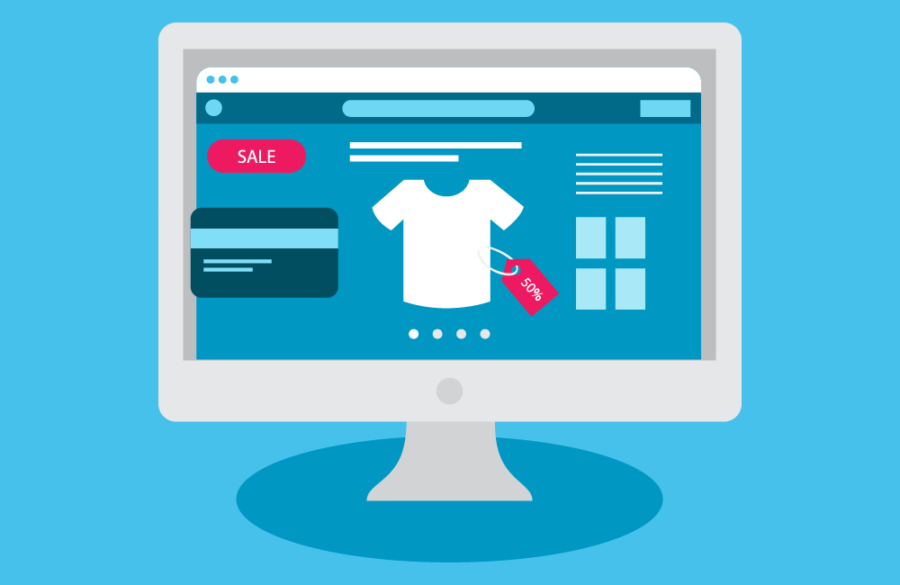
Understanding the Basics: What Are Category and Product Pages?
Before diving into SEO strategies, let’s define what category and product pages are. Category pages serve as a collection point, grouping similar products under a common theme or type. They help users navigate through a wide range of offerings without feeling overwhelmed. On the other hand, product pages showcase individual items, providing detailed information, specifications, and purchasing options for each product.
The Role of Category Pages in SEO
Category pages play a pivotal role in guiding users through an eCommerce site. Their optimization can lead to improved user experience and higher search engine rankings. A well-structured category page can act as a powerful landing page, attracting potential customers who are still in the browsing stage of their buying journey.
Optimizing Product Pages for Better Conversion
Product pages are the final destination where conversions happen. Therefore, their SEO must focus on detailed descriptions, high-quality images, customer reviews, and clear call-to-action buttons. A well-optimized product page can significantly increase the likelihood of a sale.
Key SEO Strategies for Category Pages
When it comes to optimizing category pages, consider the following strategies:
- Keyword Optimization: Use relevant keywords in titles and descriptions to improve visibility.
- Internal Linking: Connect category pages with related content to enhance navigation. Check out our guide on SEO-friendly URLs.
- Content Enrichment: Add informative content to category pages to provide value and context.
Enhancing User Experience on Category Pages
Providing a seamless user experience on category pages is crucial. Ensure that these pages load quickly, are easy to navigate, and are mobile-friendly. Consider implementing filtering and sorting options to help users find what they’re looking for efficiently.
SEO Tactics for Product Pages
Product pages require a unique set of SEO tactics to drive sales:
- Detailed Descriptions: Craft engaging and informative product descriptions that use targeted keywords naturally.
- Visual Elements: Use high-quality images and videos to showcase products effectively.
- User Reviews: Encourage customer feedback to build trust and credibility.
- Technical SEO: Ensure that product pages are optimized for speed and mobile usability. Learn more about this in our article on headless eCommerce.
Maximizing Conversions on Product Pages
To maximize conversions, ensure that product pages have clear and compelling call-to-action buttons. Providing multiple payment options and displaying trust signals, such as security badges, can also enhance consumer confidence.
The Importance of Link Building
Link building remains a vital component of both category and product page SEO. Establishing a network of high-quality inbound links can significantly boost page authority and search rankings. Explore more on this topic by reading about ranking product pages.
Utilizing External Resources for SEO
Consider using external resources to enhance your understanding of eCommerce SEO. For instance, the BigCommerce guide on eCommerce SEO provides comprehensive insights into current best practices.
Integrating SEO Plugins
For those using WordPress, leveraging SEO plugins can simplify the optimization process. These tools can assist with keyword research, meta tag management, and performance tracking. Our article on eCommerce SEO plugins offers a detailed look at some of the best options available.
Measuring Success: Analytics and SEO
Utilizing analytics is crucial for measuring the success of your SEO strategies. Track metrics such as page views, bounce rates, and conversion rates to gauge performance and identify areas for improvement.
FAQs
What is the main difference between category and product pages?
Category pages group similar products together, aiding navigation, while product pages provide detailed information about individual items.
Why is internal linking important for category pages?
Internal linking enhances navigation, helping users discover related content and improving the overall site structure for search engines.
How can I improve the SEO of my product pages?
Focus on detailed product descriptions, high-quality images, customer reviews, and technical SEO elements like page speed and mobile usability.
In conclusion, understanding and effectively implementing category page vs product page SEO is fundamental for small businesses aiming to thrive in the competitive eCommerce landscape. By optimizing both types of pages, businesses can enhance their visibility, attract more visitors, and ultimately drive higher conversions.
- 0
- By Katelynn S.


