


18, Jun 2025
Seo content ideas for ecommerce
In todays digital marketplace, leveraging effective SEO content ideas for ecommerce is essential for small businesses aiming to thrive online. Crafting a robust SEO strategy can significantly enhance your visibility and attract more potential customers. In this article, we will explore various strategies and tips to help you develop an effective content plan specifically tailored for e-commerce platforms.
Understanding the intricacies of SEO, particularly when it comes to e-commerce, is crucial. This involves not just optimizing your website but also creating engaging, relevant, and informative content that resonates with your audience. By implementing the right SEO content ideas for ecommerce, you can ensure that your online store stands out in the crowded digital marketplace.
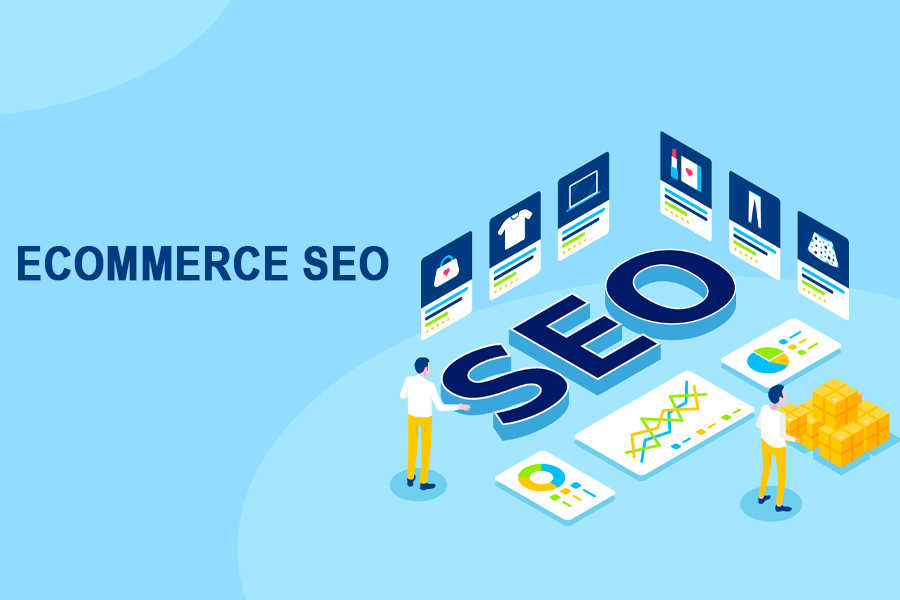
Why SEO is Crucial for E-commerce
Before diving into the specific content ideas, its important to understand why SEO is vital for e-commerce. With the sheer volume of online stores, standing out can be a challenge. SEO helps improve your websites visibility on search engines, making it easier for potential customers to find you. It also enhances user experience, which can lead to higher conversion rates.
SEO is not just about ranking higher on search engines; its about ensuring that your website provides value to users. This means having content that addresses their needs and answers their queries. In turn, this can lead to increased trust and brand loyalty.
Keyword Research for E-commerce
Effective SEO begins with thorough keyword research. Identifying the right keywords can help you create content that is not only relevant but also highly searchable. Tools like Google Keyword Planner and SEMrush can be invaluable in this process.
When conducting keyword research, consider both short-tail and long-tail keywords. Short-tail keywords are broader and often have higher search volumes, while long-tail keywords are more specific and can attract more targeted traffic. Balancing both can help you reach a wider audience while also attracting customers who are ready to make a purchase.
Utilizing Long-Tail Keywords
Long-tail keywords are less competitive and can drive more targeted traffic to your site. For instance, instead of targeting the keyword shoes, consider using womens running shoes with arch support. This approach not only helps in ranking but also meets specific customer needs.
Creating Compelling Product Descriptions
Product descriptions are an essential part of your e-commerce content strategy. They should be informative, engaging, and optimized for SEO. Use your primary keywords naturally within the descriptions and make sure to highlight the unique features and benefits of your products.
Additionally, consider incorporating customer reviews and ratings within your product pages. This not only provides social proof but also adds fresh content to your site, which is beneficial for SEO.
Incorporating Visual Content
Visual content, such as images and videos, can significantly enhance your e-commerce websites appeal and engagement. Ensure that all visual content is optimized for SEO by using descriptive filenames and alt tags. This not only improves search engine visibility but also enhances accessibility for users with disabilities.
Using Videos for Product Demonstrations
Videos are a powerful tool for demonstrating product features and benefits. They can help potential customers understand how a product works and why its beneficial. Ensure that videos are optimized with relevant keywords and include transcripts to further enhance SEO.
Blogging for E-commerce SEO
Maintaining a blog on your e-commerce site can be an effective way to drive traffic and improve SEO. Regularly publishing high-quality, informative content can help establish your brand as an authority in your niche.
When writing blog posts, focus on topics that address your customers pain points and interests. Incorporate relevant keywords naturally within your content and consider linking to related products to encourage conversions. Learn more about headless ecommerce for SEO insights.
Guest Blogging and Backlinking
Guest blogging on reputable sites can help build backlinks to your e-commerce website, which is beneficial for SEO. Ensure that your guest posts are of high quality and provide value to the readers. This strategy can enhance your brands credibility and increase your sites authority.
Leveraging Social Media for SEO
Social media platforms are not directly linked to SEO, but they can influence your search engine rankings. By sharing your content on social media, you increase its visibility and reach, which can lead to more traffic and potential backlinks.
Engage with your audience on platforms like Facebook, Instagram, and Twitter. Encourage them to share your content, which can further enhance your online presence and drive traffic to your e-commerce site.
Optimizing Your Social Media Profiles
Ensure that your social media profiles are fully optimized with relevant keywords and links to your e-commerce site. This not only improves searchability but also provides additional channels for customers to find and engage with your brand.
Technical SEO for E-commerce
Technical SEO involves optimizing the technical aspects of your e-commerce website to improve its visibility on search engines. This includes optimizing site speed, ensuring mobile-friendliness, and improving site navigation.
Make sure your website is easy to navigate and that all pages load quickly. Slow loading times can lead to higher bounce rates, which can negatively impact your SEO rankings. For more on technical SEO, check out this SEO Starter Guide.
Implementing Schema Markup
Schema markup is a code that helps search engines understand your websites content better. Implementing schema markup can enhance how your pages are displayed on search engine results, potentially leading to higher click-through rates.
FAQs
What are some common SEO mistakes in e-commerce?
Common mistakes include neglecting mobile optimization, ignoring product descriptions, and failing to conduct proper keyword research. Additionally, slow page load times and lack of backlinks can also hinder SEO efforts.
How often should I update my e-commerce content?
Regular updates are recommended to keep your content fresh and relevant. Aim to review and update product descriptions and blog posts every few months to ensure they remain accurate and engaging.
Can I do SEO on my own?
Yes, with the right tools and resources, you can implement SEO strategies on your own. However, working with a professional can provide additional insights and expertise. For a deeper understanding, visit Neil Patels guide on e-commerce SEO.
- 0
- By Katelynn S.


